
Key Highlights
- New Policy:USCIS reduces immigrant work-permit validity from five years to 18 months.
- Affected Groups:Asylum seekers, refugees, and green-card applicants face increased uncertainty.
- National Security:Government cites security reviews as rationale for the change.
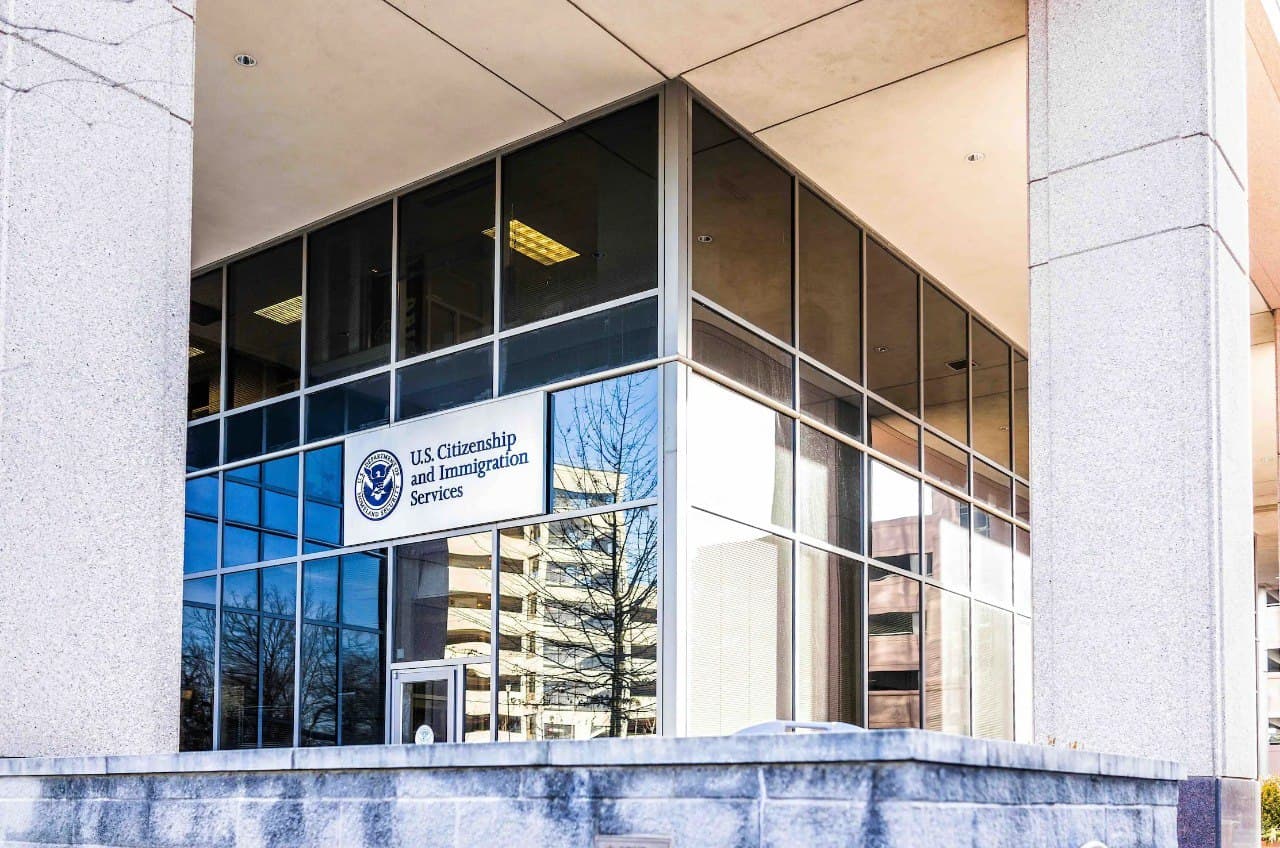
The U.S. Citizenship and Immigration Services (USCIS) has announced a significant policy change that will reduce the validity period for immigrant work permits from five years to just 18 months. This new regulation, which affects asylum seekers, refugees, and individuals awaiting green-card approval, is set to create a ripple effect across various communities reliant on these permits for employment.
Under the revised policy, work permits issued or renewed after the effective date will now expire after 18 months. This change means that immigrants will need to navigate the renewal process more frequently, adding to the administrative burden they already face. Importantly, permits that were issued prior to this change will remain valid until their original expiration dates, providing some temporary relief for those who have already secured longer-term work authorization.
Advocates for immigrant rights have expressed deep concern regarding the implications of this policy shift. Many fear that the reduced validity period could lead to financial instability and employment disruptions for immigrants who depend on extended work authorization while they await updates on their immigration status. The uncertainty surrounding work permits may also discourage employers from hiring immigrants, as they may face challenges in managing workforce availability and compliance with the new regulations.
In response to these concerns, government officials have defended the policy, stating that the shorter validity period will facilitate more frequent security and background checks. They argue that this measure is necessary to enhance national security, particularly in an era marked by increasing global uncertainties. However, critics argue that the potential negative impact on immigrant communities and the economy must also be taken into account.
As this policy unfolds, thousands of immigrants and asylum seekers are bracing for the challenges that lie ahead. Many communities are calling for clearer guidelines and additional support to help mitigate the risks of gaps in work authorization. The need for comprehensive immigration reform has never been more pressing, as advocates push for solutions that balance security concerns with the rights and needs of immigrants.
The implications of this policy change are far-reaching, affecting not only the individuals directly impacted but also the broader economy and society. As the situation develops, it will be crucial to monitor how these changes play out and what measures are taken to support those affected.
Published by Banx Network. This article is part of the Banx decentralized media programme, powered by the BXE token on the XRP Ledger.



