
Key Highlights
- Agreement finalized:The Trump administration and China have reached a deal allowing TikTok to operate in the U.S.
- Key players:U.S. Treasury Secretary Scott Bessent confirmed the framework, with Oracle's Larry Ellison believed to be the buyer.
- Ongoing negotiations:U.S. and Chinese diplomats are discussing trade issues, with TikTok as a central topic.
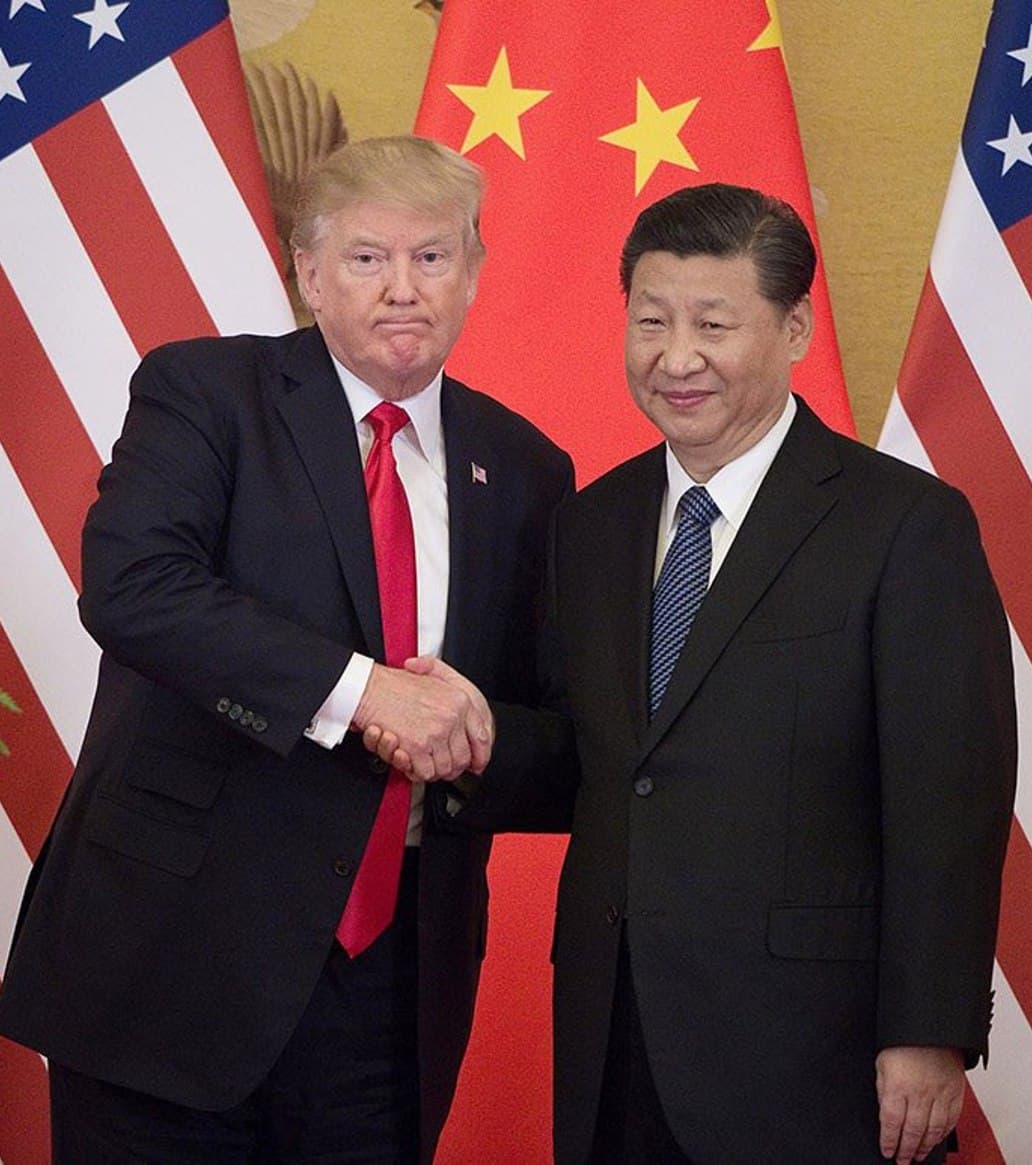
The Trump administration has officially announced the finalization of an agreement with China that will allow TikTok to continue its operations in the United States. This significant development comes after a prolonged negotiation process that began during President Donald Trump’s first term. U.S. Treasury Secretary Scott Bessent confirmed the successful establishment of a comprehensive framework, indicating that President Trump is set to speak with Chinese leader Xi Jinping this Friday to finalize the remaining details of the deal.
Bessent elaborated on the negotiations, stating, “President Trump was involved in this process; we had a call with him last night and received clear guidance from him, which we then shared with our Chinese counterparts.” His remarks underscore the importance of Trump’s leadership in reaching this agreement, which aims to address both U.S. national security concerns and Chinese interests.
While the Trump administration has not publicly identified the American buyer for TikTok’s U.S. operations, it is widely speculated that the group is led by Oracle Executive Chairman Larry Ellison. Ellison, a prominent supporter of Trump, was mentioned by the former president in January as a potential buyer for TikTok’s U.S. assets. Concurrently, U.S. and Chinese diplomats are engaged in discussions in Spain, focusing on trade relations and other pressing issues, with TikTok being a key agenda item.
U.S. Trade Representative Jamieson Greer emphasized the importance of ensuring that the TikTok deal is equitable for Chinese stakeholders while addressing U.S. national security concerns. “Our focus was on ensuring that the deal with TikTok is fair to Chinese interests while fully addressing U.S. national security concerns,” Greer stated. This sentiment reflects the delicate balance that U.S. officials are attempting to strike in the negotiations.
The backdrop of this agreement includes a series of extensions by Trump regarding deadlines for a potential sale of TikTok’s U.S. operations, which were mandated by Congress through bipartisan legislation signed into law by former President Joe Biden. This law effectively banned TikTok in the U.S. unless its China-based parent company, ByteDance, divested its ownership of U.S. assets. The urgency of these negotiations was highlighted when TikTok briefly went offline in the U.S. on January 18, just before the Foreign Adversary Controlled Applications Act was set to take effect.
In a move to protect U.S. companies from penalties related to hosting TikTok, Trump announced his intention to sign an executive order at the start of his second term. This order, signed on January 20, postponed the enforcement of the law by 75 days, with Trump extending the deadline multiple times throughout the year. The most recent extension pushed the deadline to September 17, with expectations that Trump would delay enforcement again if a satisfactory agreement was not reached.
Critics of Trump’s approach argue that his repeated extensions undermined the legislative intent of Congress. As his first term drew to a close, Trump advocated for a ban on TikTok, a proposal that ultimately did not materialize but was later endorsed by Biden. Interestingly, Trump’s stance on TikTok shifted as he recognized its potential influence on his prospects for the 2024 election, given that the platform boasts approximately 170 million users in the U.S., many of whom are young voters who have shown increasing support for Republican candidates in recent elections. Despite Trump’s claims of an imminent deal, significant progress had not been made until this latest announcement.
Published by Banx Network. This article is part of the Banx decentralized media programme, powered by the BXE token on the XRP Ledger.



