
Key Highlights
- Czech glass exports increased by 25% in 2026, setting a new record.
- UNESCO recognized Czech manual glassblowing as Intangible Cultural Heritage.
- The 'Glass for Peace' initiative promotes transparency and cooperation globally.
Czech glass art is experiencing a renaissance in 2026, coinciding with a series of international summit meetings in Prague. This ancient craft, rooted in the Crystal Valley of Northern Bohemia, has evolved beyond mere decoration to become a powerful symbol of diplomacy. As artisans transform sand and fire into exquisite glass pieces, they create not just art, but a language of clarity and intent that transcends borders.
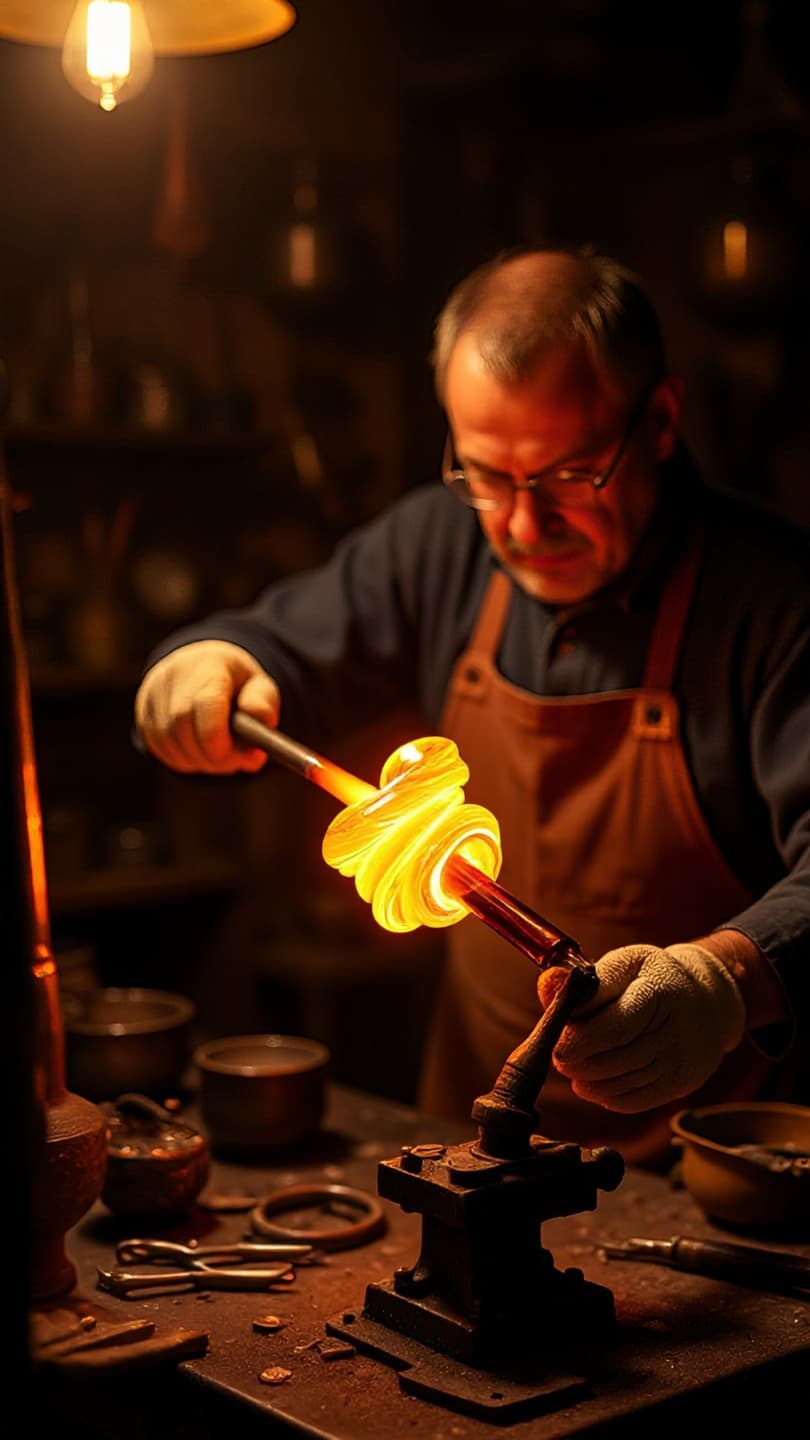
In the artisan studios of Nový Bor, the atmosphere is charged with creativity and tradition. The sound of glassblowing fills the air, a testament to centuries of craftsmanship. Each hand-blown vase and crystal piece embodies the resilience and identity of the Czech people, showcasing their dedication to quality and artistry. This commitment to excellence is reflected in the growing recognition of Czech glass as a vital component of cultural diplomacy.
The Czech Republic's cultural strategy for 2026 emphasizes the importance of 'soft power through craftsmanship.' State gifts in the form of glass art are now seen as effective communication tools in international relations. These pieces tell stories of the Czech nation's rich history and creativity, reinforcing the concept of 'aesthetic sovereignty.' Each scratch and imperfection on the crystal surface signifies the unique touch of human hands, standing in stark contrast to the mass production of the modern era.
The theme of transparency resonates deeply within the context of global dialogue. The Czech government has initiated a traveling exhibition of 'Bohemian Glass' in major world capitals, aiming to position the country as a center of artistic excellence. This initiative highlights the soft power of art, using beauty to foster communication where traditional politics may falter. The emotional impact of art serves as a reminder of its ability to bridge divides and promote understanding.
Discussions within art and design academies focus on the integration of technology with traditional glassblowing techniques. Young artisans are returning to their roots, revitalizing the glass-making industry that had nearly faded away. This shift from industrial production to high-level artistic expression reflects a commitment to preserving cultural heritage while embracing innovation for the future.
The global impact of this glass renaissance is evident in the way Czech glass is perceived in diplomatic settings. It has become synonymous with dignity and elegance, with exports reaching unprecedented levels in 2026. The 25% increase in art glass and crystal exports compared to the previous year underscores the growing demand for these unique pieces. Furthermore, UNESCO's recognition of the Czech manual glassblowing method as an Intangible Cultural Heritage has sparked renewed interest in cultural tourism in the Crystal Valley region.
The 'Glass for Peace' initiative, launched by the Czech government, has placed large glass art installations at the headquarters of international organizations, symbolizing transparency and global cooperation. Financial support for young artisan internships has revitalized 50 traditional studios, ensuring that this cherished craft continues to thrive.
As the world witnesses the beauty and significance of Czech glass art, it becomes clear that this ancient craft is not just about aesthetics; it is a powerful tool for diplomacy and cultural exchange, fostering connections that transcend borders and generations.
Published by Banx Network. This article is part of the Banx decentralized media programme, powered by the BXE token on the XRP Ledger.



