Key Highlights
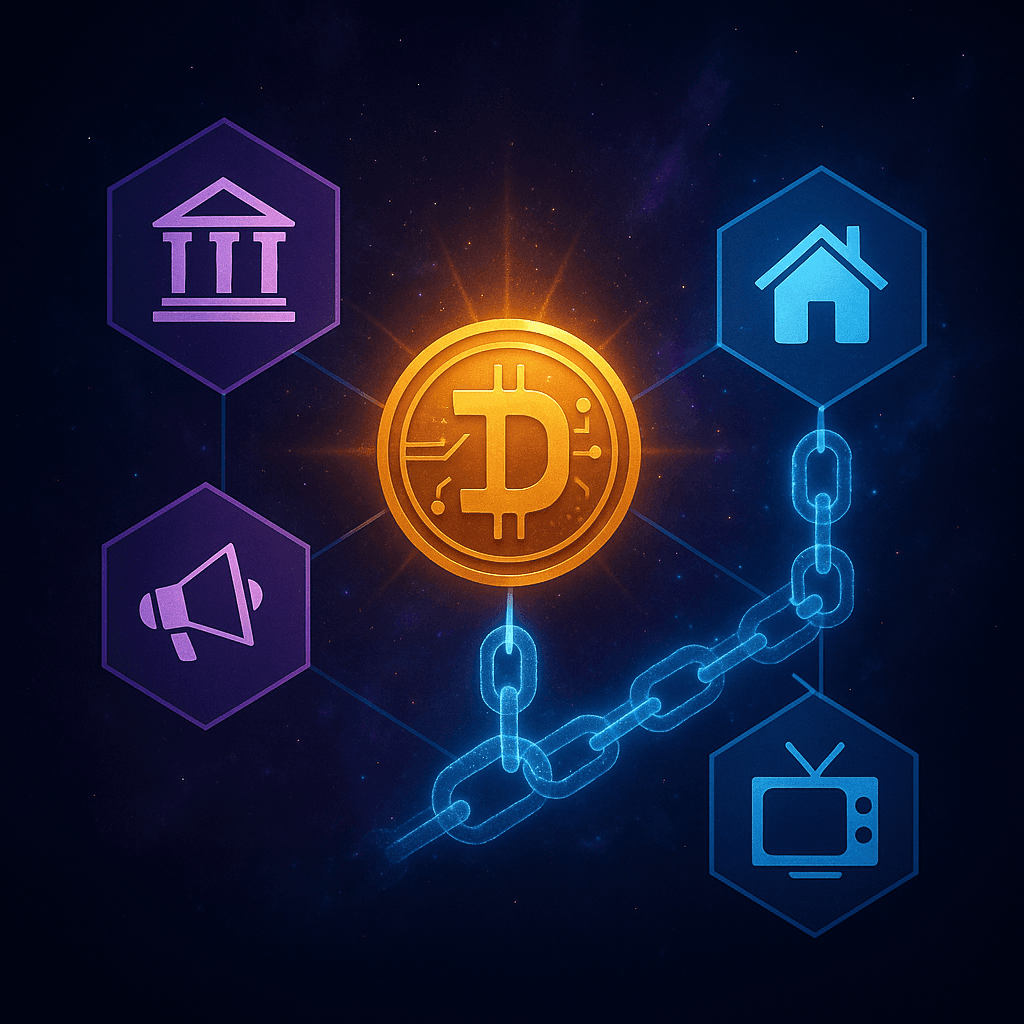
- Tokenization is reshaping various sectors, including finance and media.
- Major financial institutions are adopting blockchain technology for efficiency.
- The narrative around cryptocurrency is evolving amidst market fluctuations.
The concept of tokenization is rapidly gaining traction across multiple sectors, fundamentally altering how we perceive and interact with assets. From cryptocurrencies to real estate, the process of converting physical and digital assets into tokens on a blockchain is not just a technological advancement; it represents a paradigm shift in ownership and value exchange. As we delve deeper into this transformation, it becomes clear that the implications extend far beyond mere financial transactions.
Historically, the financial sector has been plagued by inefficiencies, with trillions of dollars trapped in Nostro/Vostro accounts. Traditional banking systems, such as SWIFT, have charged exorbitant fees while failing to modernize their infrastructure. However, companies like Ripple have emerged as pioneers in this space, forging partnerships with central banks and financial institutions to create a more efficient payment ecosystem. The launch of FedNow by the Federal Reserve in 2023 and the migration of Fedwire to ISO 20022 are significant steps towards integrating blockchain technology into mainstream finance.
While Bitcoin and Ethereum have captured the public's imagination, it is XRP that is quietly revolutionizing the financial plumbing. This foundational technology is becoming indispensable, facilitating faster and more secure transactions without the need for permission from traditional banking authorities. As financial systems evolve, the next battleground is set to be cultural, where narratives and truths are increasingly intertwined with technology.
The media landscape is undergoing a similar transformation. The rise of tokenization threatens to disrupt traditional journalism, where narratives are often manipulated to fit corporate interests. In an era where inflation is described as "stable" on one network and "spiraling" on another, the public is left to navigate a maze of contradictory information. This narrative warfare undermines trust in journalism, as facts become malleable and subject to the whims of advertisers and political agendas.
Tokenization offers a solution to this crisis of trust. By minting stories on-chain, journalists can create immutable records of their reporting. This means that once a story is published, it cannot be altered or erased without leaving a trace. The implications are profound: facts would no longer be subject to revisionist history, and the integrity of journalism could be restored. In this new landscape, readers could subscribe directly to journalists, bypassing corporate media conglomerates and fostering a more direct relationship between creators and consumers.
As we stand on the brink of this tokenization revolution, it is essential to recognize the potential for both financial and cultural transformation. The convergence of finance and media through blockchain technology could lead to a more transparent and trustworthy society. By embracing these changes, we can move towards a future where truth is immutable, and narratives are built on a foundation of verified facts.
In conclusion, the tokenization of everything—from currencies to cultural narratives—promises to reshape our world in ways we are only beginning to understand. As we navigate this new terrain, it is crucial to remain vigilant and informed, ensuring that the benefits of this revolution are realized for all.
Published by Banx Network. This article is part of the Banx decentralized media programme, powered by the BXE token on the XRP Ledger.