
Key Highlights
- Semiconductors are essential for modern devices and systems.
- Global supply chains for chips are fragile and require resilience.
- Investment in domestic manufacturing is increasing due to competition.
[The Importance of Semiconductors]
Modern life often feels intangible—apps open instantly, data flows seamlessly, and digital systems operate in the background without visible effort. Yet beneath this smooth surface lies one of the most strategically important industries in the world: semiconductor manufacturing. These tiny components power nearly every modern device, from smartphones and computers to vehicles, medical equipment, and advanced defense systems. Without them, the digital economy as it is known today would not exist.
The importance of semiconductor manufacturing extends far beyond consumer electronics. It influences supply chain stability, national competitiveness, industrial development, and technological leadership. As demand for computing power continues to grow, so too does the need for more advanced and efficient chips. The semiconductor industry is not just about producing components; it is about ensuring that nations can maintain their technological edge in an increasingly competitive global landscape.
[Challenges in Global Supply Chains]
Recent years have highlighted the fragility of global chip supply chains. Disruptions caused by geopolitical tensions, natural disasters, and the COVID-19 pandemic exposed how dependent many industries are on a limited number of production hubs. This has led to increased investment in domestic manufacturing capacity and research initiatives aimed at strengthening long-term resilience. Countries are recognizing that reliance on foreign semiconductor production can jeopardize their technological sovereignty and economic stability.
[The Complexity of Semiconductor Production]
Semiconductor production is a highly complex process requiring precision engineering, advanced materials, and significant capital investment. Facilities often take years to develop and operate at the cutting edge of technological capability. As a result, governments and private companies continue to view the sector as strategically essential. The intricate nature of chip manufacturing means that any disruption can have cascading effects across various industries, making it imperative to bolster domestic capabilities.
[Innovation and Collaboration]
Innovation within the semiconductor industry is closely tied to progress in artificial intelligence, quantum computing, and high-performance computing. More powerful chips enable faster data processing, improved energy efficiency, and new technological applications that were previously not possible. Research institutions and industry leaders frequently collaborate to push the boundaries of what semiconductor technology can achieve. These partnerships help accelerate advancements in design, fabrication, and system integration, ensuring that the industry remains at the forefront of technological development.
[Workforce Development and Future Outlook]
Workforce development is another critical component. Engineers, materials scientists, and technicians play essential roles in maintaining and advancing semiconductor capabilities. Educational programs continue to adapt in order to meet growing demand for specialized expertise. As global competition intensifies, semiconductor manufacturing has become not only an industrial priority but also a strategic one. Countries around the world are investing heavily in strengthening their positions within this critical supply chain.
Ultimately, semiconductors remain at the heart of modern innovation. While invisible to most users, they form the foundation upon which nearly every aspect of digital life depends, shaping both present technologies and future possibilities. The ongoing evolution of this industry will have profound implications for the global economy and technological advancement in the years to come.
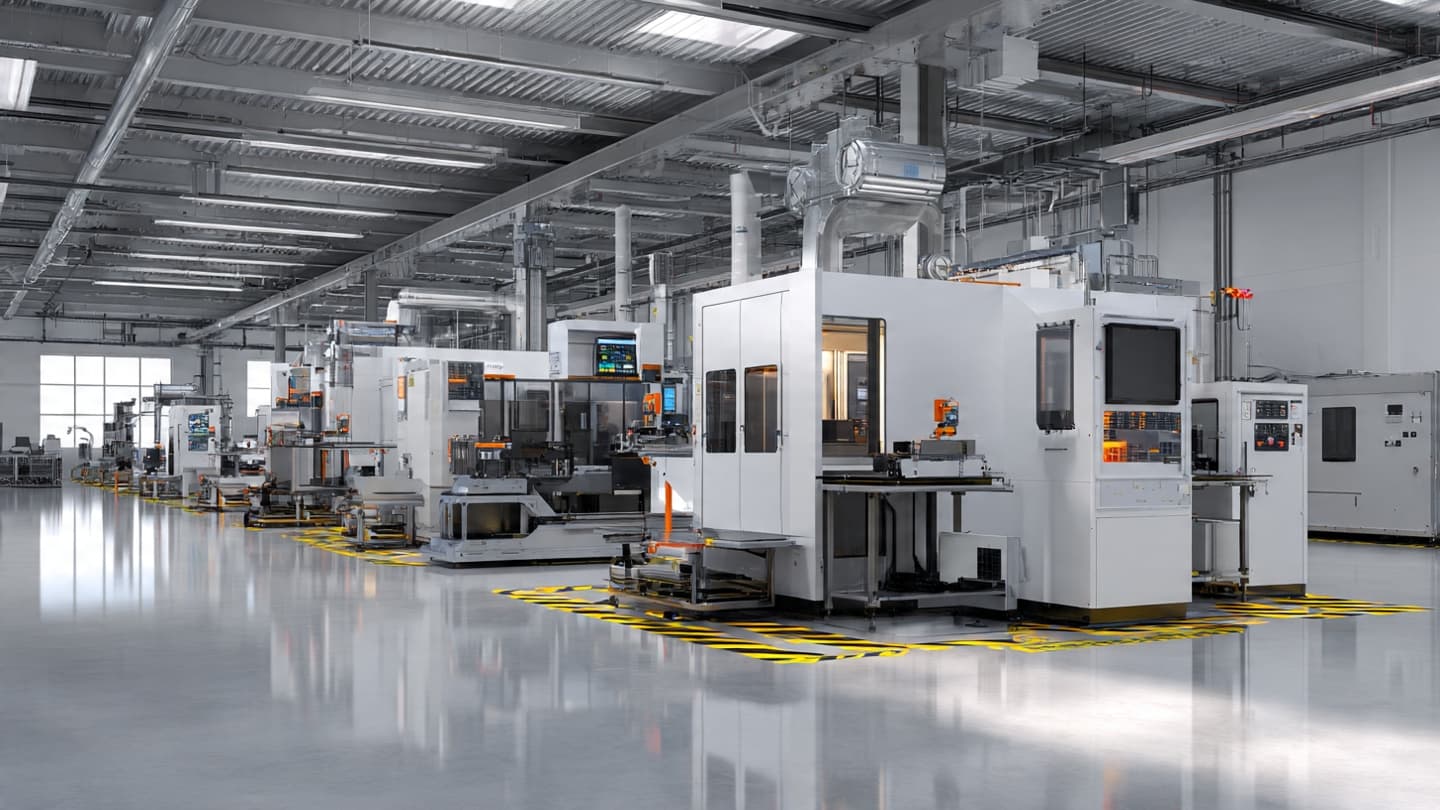
AI Image Disclaimer Images in this article are AI-generated illustrations, meant for conceptual representation only.
Published by Banx Network. This article is part of the Banx decentralized media programme, powered by the BXE token on the XRP Ledger.



