Key Highlights
- Oil prices surged following the U.S. seizure of an Iranian-linked vessel.
- Global stock markets showed signs of decline amid rising geopolitical tensions.
- Investor confidence is wavering as diplomatic efforts face new challenges.
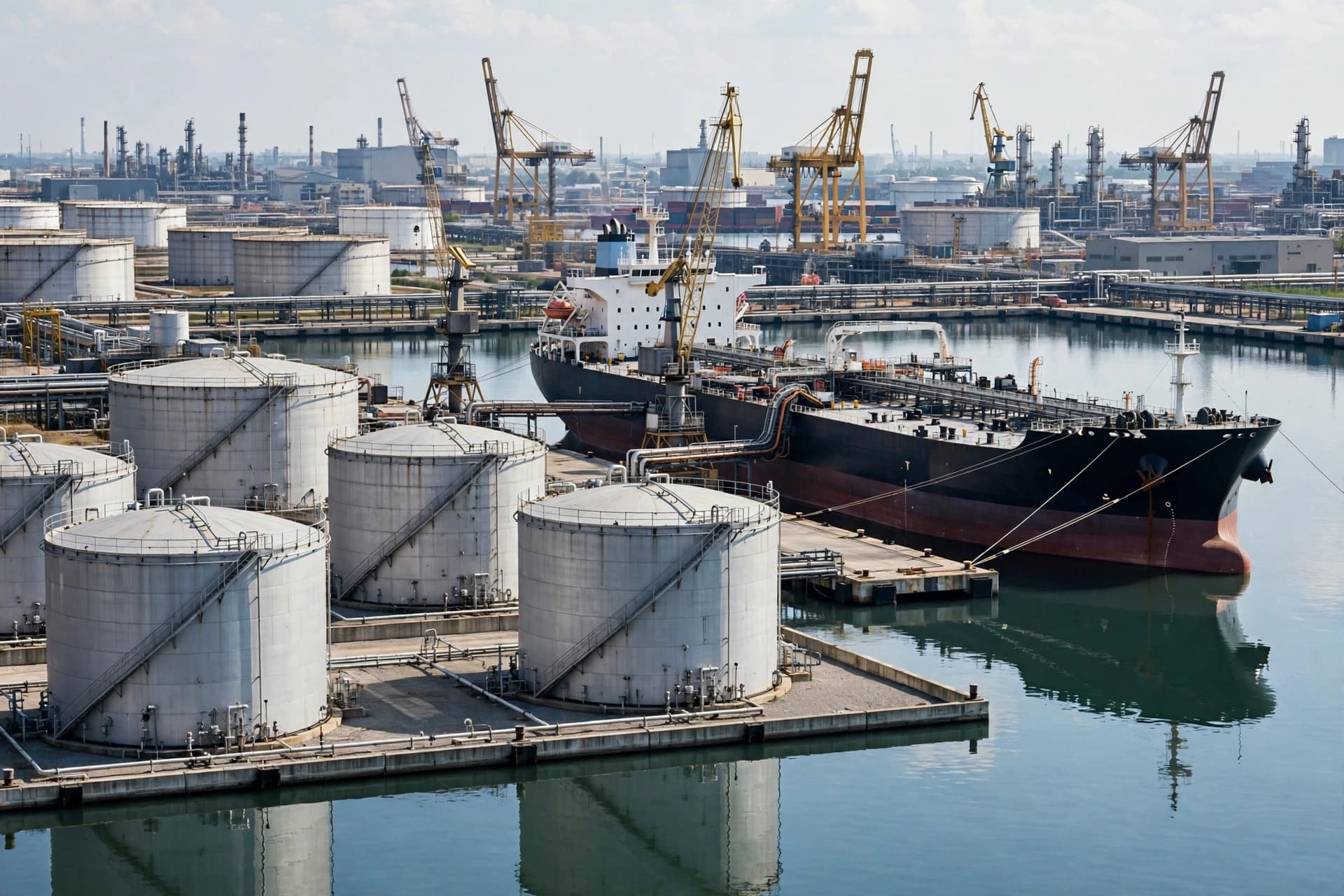
Geopolitical tensions have once again influenced market dynamics, with recent events highlighting the delicate interplay between international relations and economic stability. The recent seizure of a vessel linked to Iranian interests by the United States has sent ripples through global markets, prompting a surge in oil prices while stock markets exhibited signs of decline.
The incident has raised fresh concerns regarding ongoing diplomatic negotiations surrounding Iran’s nuclear program. Traders reacted swiftly, adjusting their expectations as the potential for disruption in energy supplies loomed large. Oil, a commodity notoriously sensitive to geopolitical developments, reflected this unease with a notable increase in prices, signaling market apprehension.
In contrast, equity markets across various regions have experienced downward pressure. Analysts have observed that investor confidence tends to falter in the face of rising geopolitical risks, particularly when these risks involve critical energy corridors and longstanding diplomatic disputes. The uncertainty surrounding the situation has led to a cautious approach among investors, who are closely monitoring developments.
While officials have not indicated a complete breakdown in diplomatic talks, the recent incident has undoubtedly complicated discussions that were already proceeding with caution. Diplomatic channels remain open, but the tone has shifted to a more measured stance in light of the latest developments. This cautious approach reflects the complexities of navigating international relations in a volatile environment.
Economic observers emphasize that such geopolitical events often carry both immediate and longer-term implications for markets. Short-term reactions can be swift, but the broader impact hinges on whether tensions escalate or gradually subside. Energy-importing nations are particularly vigilant, as fluctuations in oil prices can significantly affect inflation rates and economic planning. Conversely, oil-producing nations may experience temporary benefits from rising prices, yet they too face the overarching challenge of uncertainty that permeates the market.
This situation underscores the interconnectedness of global systems, where a single maritime incident can resonate across financial centers and influence policy discussions worldwide. As diplomatic efforts continue, markets find themselves in a precarious position, balancing between caution and hope. The current landscape illustrates how economic stability often rests on fragile geopolitical ground, with investors keenly aware of the potential ramifications of ongoing tensions.
In conclusion, the recent developments serve as a reminder of the intricate relationship between geopolitics and market sentiment. As stakeholders navigate this complex terrain, the evolving situation will undoubtedly continue to shape economic outlooks and investment strategies in the near future.
Published by Banx Network. This article is part of the Banx decentralized media programme, powered by the BXE token on the XRP Ledger.