
Key Highlights
- Diplomatic Ultimatum:Former President Trump issues a 48-hour ultimatum to Iran regarding the Strait of Hormuz.
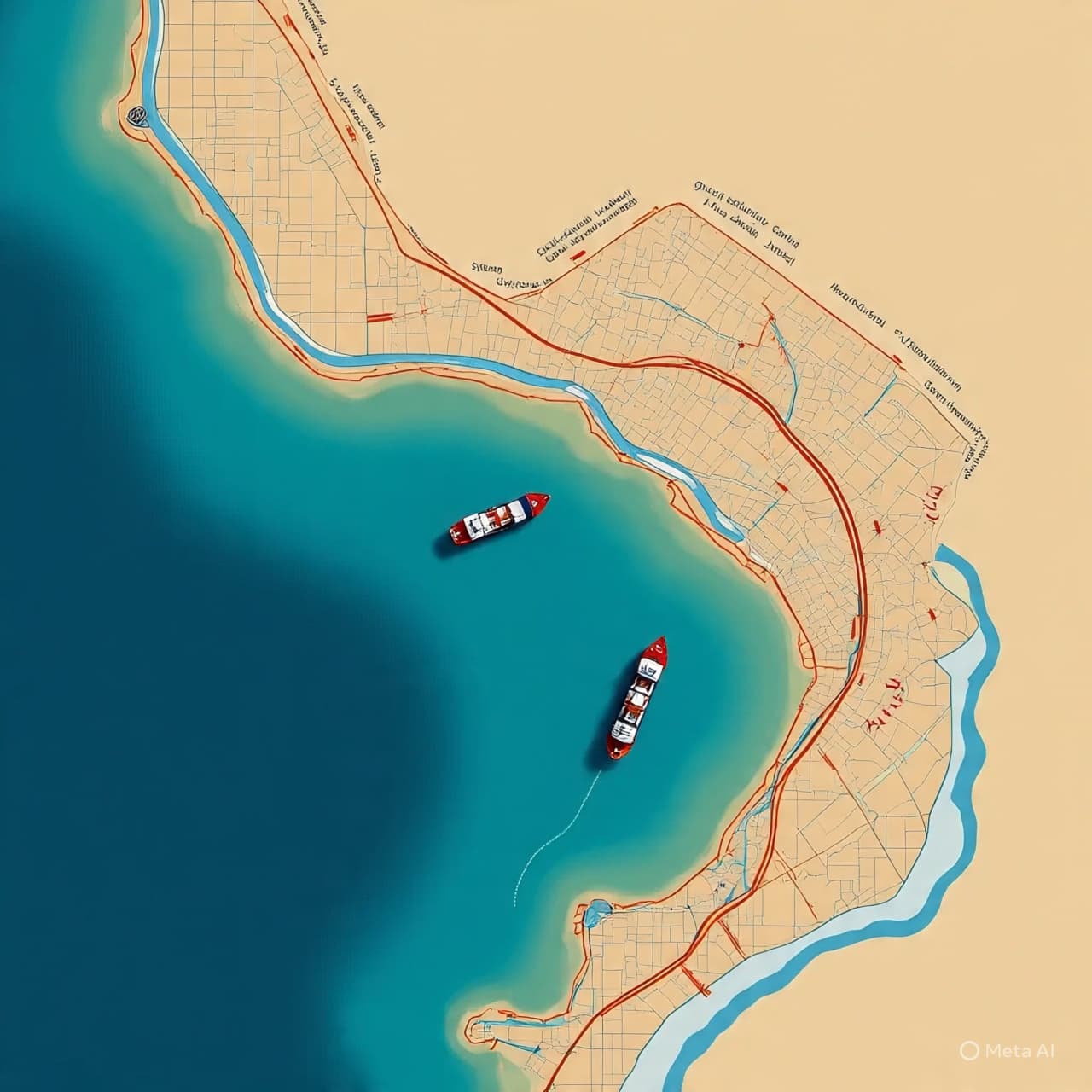
- Oil Trade Significance:The strait is crucial, with 20% of the world's oil passing through it.
- Missing Pilot:The search for a U.S. pilot adds urgency to the geopolitical situation.
The world watches as tensions rise in the heart of the Persian Gulf, where the Strait of Hormuz, a vital artery for global oil trade, becomes the stage for a high-stakes diplomatic drama. The announcement of a 48-hour ultimatum to Iran by former President Trump, demanding that the country open the waters once again, echoes like a ticking clock. In this global theatre, where the stakes are more than just politics but the safety of international commerce, the question arises: how far will nations go to protect their interests? The unfolding of these events mirrors a delicate dance between power and consequence, where every step could lead to far-reaching repercussions.
In the heat of the current diplomatic standoff, the tension between the U.S. and Iran has escalated to new heights. The decision to issue a 48-hour window for Iran to open the Strait of Hormuz brings into sharp focus the intersection of military might, economic interests, and the fragility of international relations. The strait, which sees about 20% of the world’s oil flow through it, is more than just a geographic feature; it is a symbol of control over the pulse of global energy markets.
The search for a missing U.S. pilot, presumed to have gone down over the region, has intensified the urgency of the situation. This missing pilot is no mere casualty in an ongoing conflict, but a human story that weighs heavily on the hearts of many, amplifying the broader political and military stakes. The U.S. government, already facing a delicate balance of power in the Middle East, now faces a stark decision: how to balance military action with diplomatic strategy without crossing a line that might lead to irreversible consequences.
The decision by the U.S. to give Iran a 48-hour deadline is not just a mere diplomatic statement; it is a direct challenge that signals a broader shift in global relations. For Iran, a country long wary of foreign influence, this deadline is not a simple request but a matter of national pride, sovereignty, and its place on the global stage. The world watches, waiting for a response that could either lead to de-escalation or a further spiraling into conflict.
As the clock ticks down, the eyes of the world are fixed on Tehran. Will Iran comply, or will they stand firm, as they have so many times before? And what will be the consequences, not just for the two nations involved but for the fragile international order that has been shaped by decades of diplomatic negotiations, military alliances, and economic interdependence?
In these delicate moments, when every word and gesture carries weight, the world holds its collective breath. The outcome of this crisis will ripple far beyond the Strait of Hormuz, affecting global trade, international alliances, and the security of nations. As the deadline approaches, the hope remains that diplomacy may prevail over force, that dialogue may provide a pathway forward. The search for the missing pilot will continue, but in the broader context, it is the diplomatic maneuvering that will shape the legacy of this moment in history. Only time will reveal how the nations involved choose to walk this tightrope, with consequences that may extend far beyond what can be foreseen today.
Published by Banx Network. This article is part of the Banx decentralized media programme, powered by the BXE token on the XRP Ledger.



