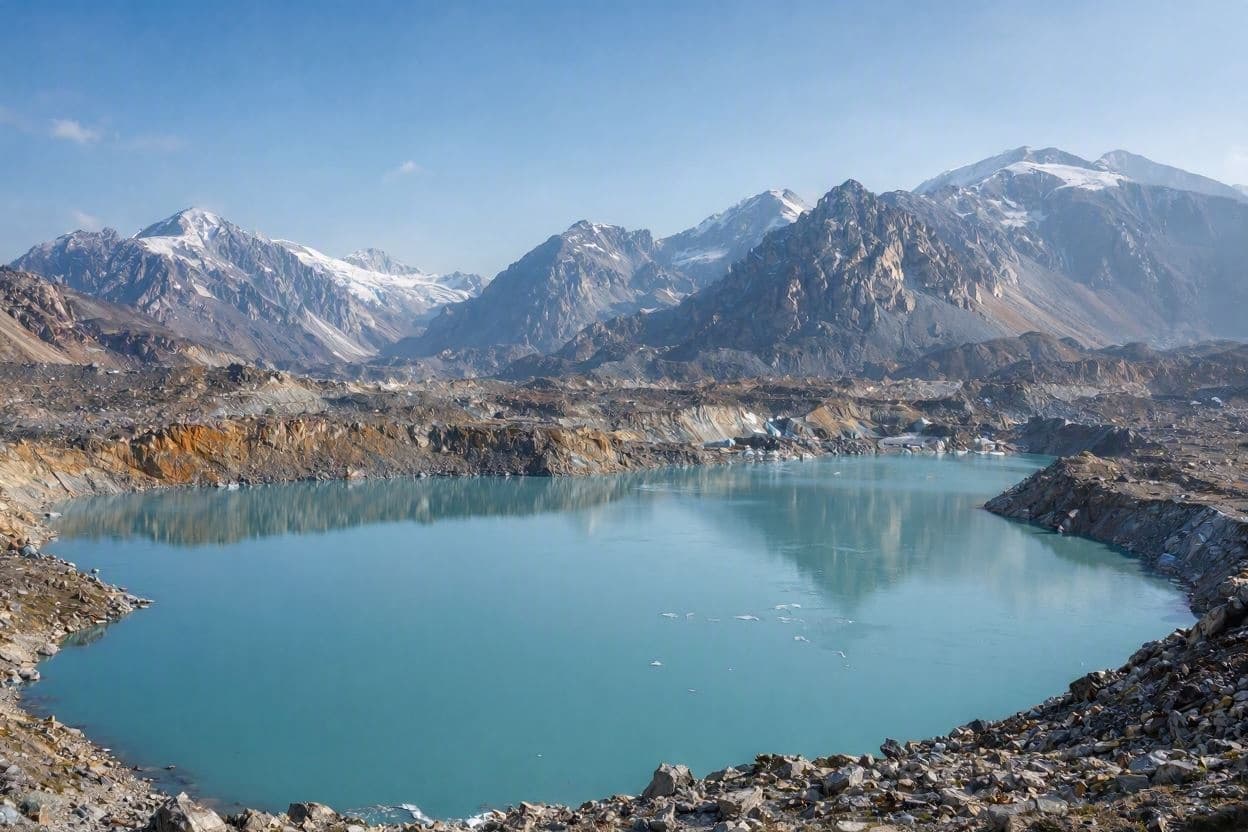
High in the roof of the world, where ice has clung to rock for millennia, a quiet but profound transformation is underway. The Himalayas, often called the Third Pole due to their vast reserves of frozen water, are warming at a rate faster than the global average. This accelerated melting is not merely a statistical anomaly; it is a physical reality reshaping the landscape and threatening the millions of people who depend on these mountains for water, stability, and life.
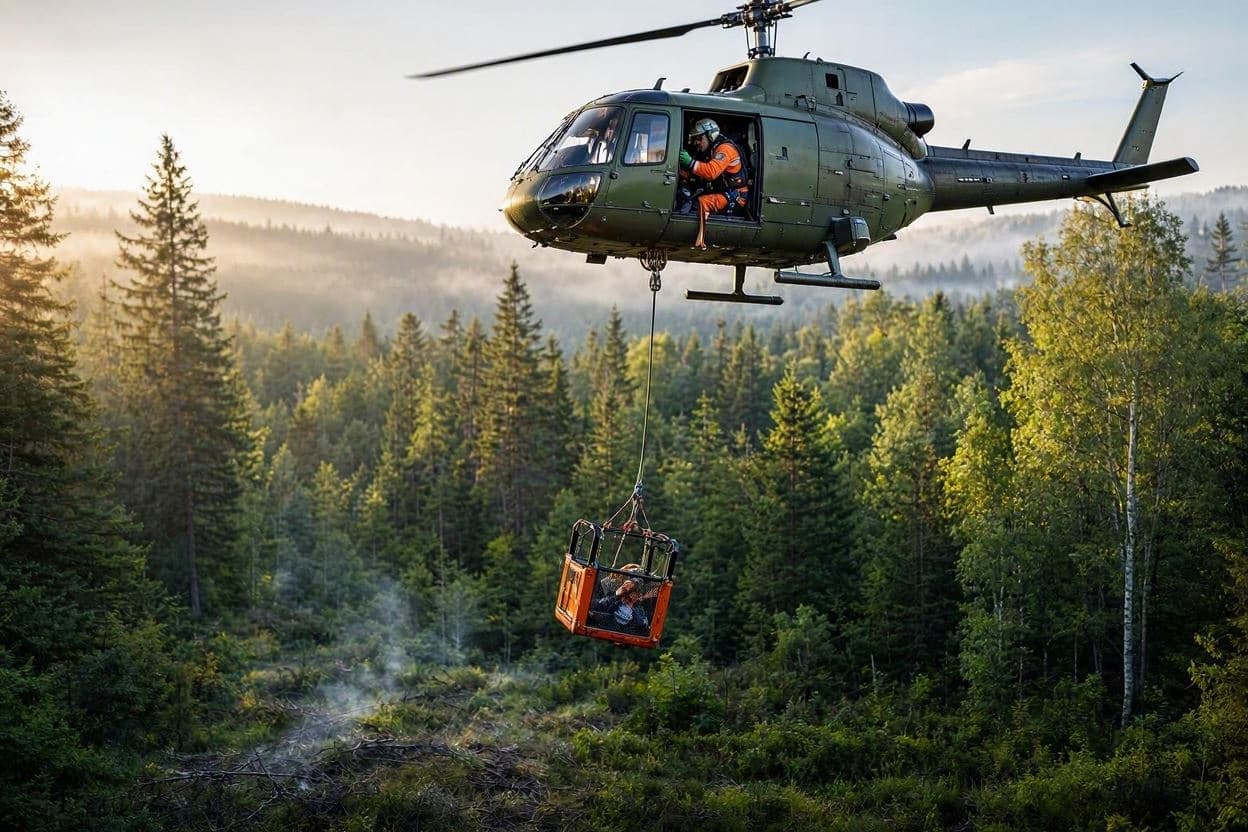
Recent catastrophic floods in Nepal have served as a stark warning of what lies ahead. Triggered by glacial lake outbursts and intense rainfall, these disasters have wiped out villages and claimed lives, leaving communities in grief and uncertainty. Scientists point to climate change as the primary driver, noting that rising temperatures are causing glaciers to retreat rapidly, creating unstable lakes that can burst without warning. The tragedy in Nepal is not an isolated incident but a preview of a more volatile future.
The hydrology of the region is becoming increasingly erratic. In the short term, increased meltwater leads to higher river flows and a greater risk of flooding. However, this surge is temporary. As glaciers shrink, the long-term supply of water to major rivers like the Ganges, Brahmaputra, and Mekong will diminish, leading to severe scarcity. This shift from excess to deficit poses a dual threat to agriculture, hydropower, and drinking water supplies across South Asia.
For the people living in these mountainous regions, the changes are personal and immediate. Farmers face unpredictable growing seasons, while herders struggle with changing pasture conditions. The psychological toll of living under the constant threat of disaster adds another layer of hardship. Community resilience is being tested as traditional knowledge struggles to keep pace with the rapid environmental shifts.
International attention is crucial, yet local action remains paramount. Efforts to monitor glacial lakes and implement early warning systems are expanding, but they require sustained funding and technical support. Adaptation strategies, such as building resilient infrastructure and diversifying livelihoods, are essential for reducing vulnerability. The window for effective intervention is narrowing, making every day count.
The global community must also recognize its role in this crisis. Greenhouse gas emissions from distant industrial centers contribute directly to the warming of the Himalayas. Reducing these emissions is the only long-term solution to slowing the melt. Until then, the region will continue to bear the brunt of a problem it did not create, highlighting the inequities of climate change.
As the ice recedes, it leaves behind a landscape of uncertainty. The floods in Nepal are a somber reminder that the consequences of a warming planet are not abstract but deeply human. By acknowledging the severity of the situation and acting with urgency, we can hope to mitigate the worst effects. The mountains are speaking, and it is time for the world to listen.
AI Image Disclaimer: The visual representations in this article are AI-generated illustrations designed to convey the impact of glacial melting and climate change in the Himalayas.
Sources: PBS NewsHour, The New York Times, Antarctic Glaciers
Published by Banx Network. This article is part of the Banx decentralized media programme, powered by the BXE token on the XRP Ledger.