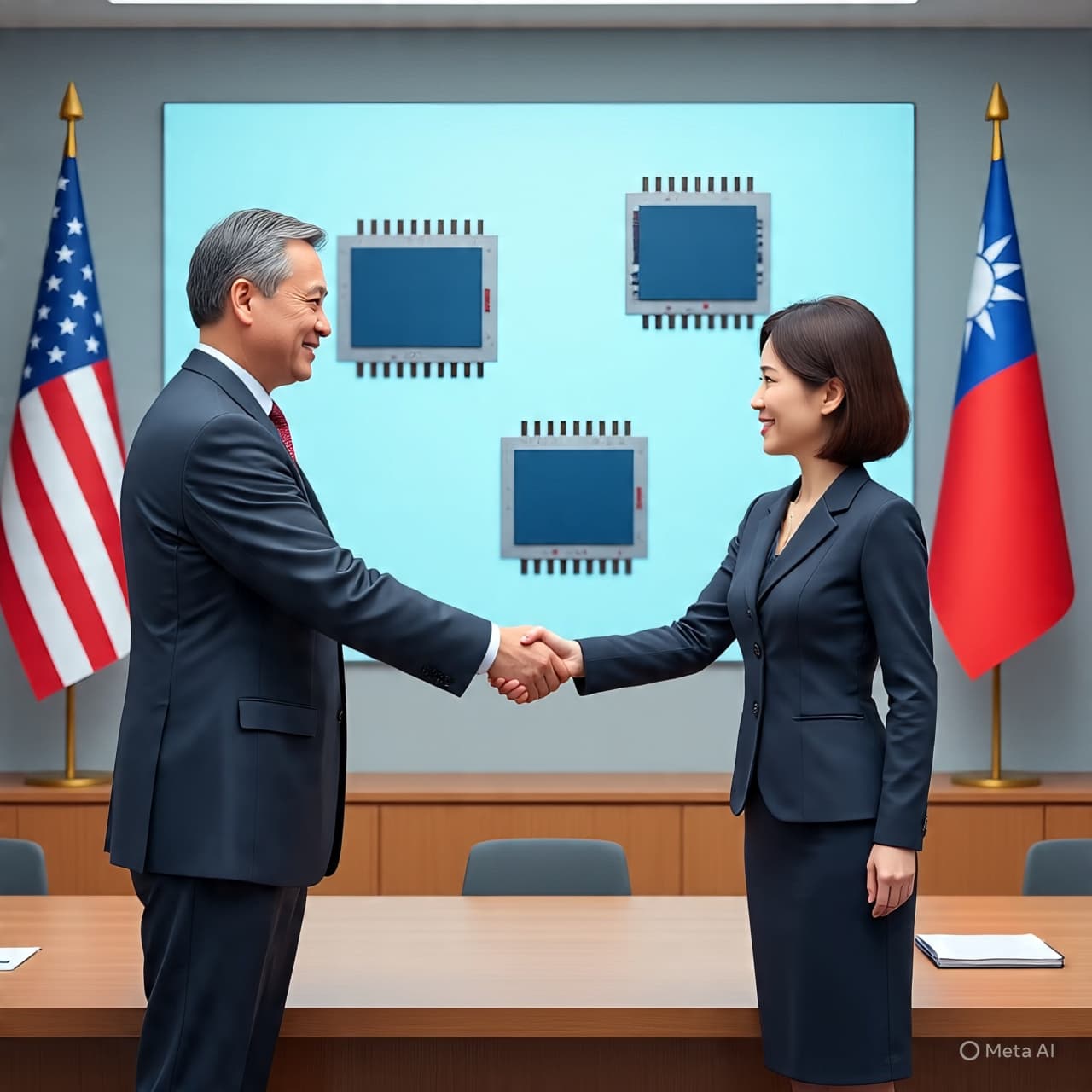
In the quiet halls of diplomacy and commerce, a significant accord has just taken shape — one that could reshape the landscape of global technology and manufacturing. On Thursday, the United States and Taiwan finalized a comprehensive trade agreement centered on semiconductors, investment, and tariff relief, marking a pivotal moment in cooperation between Washington and Taipei at a time of shifting geopolitical tensions.
Under the agreement, broad tariffs on Taiwanese exports to the U.S. will be reduced — dropping from 20% to 15% for most goods — and tariffs on select items such as generic pharmaceuticals and aircraft parts will be eliminated entirely. In return, Taiwanese technology firms have pledged substantial investment in U.S. production capacity, particularly in semiconductors, artificial intelligence, and energy sectors.
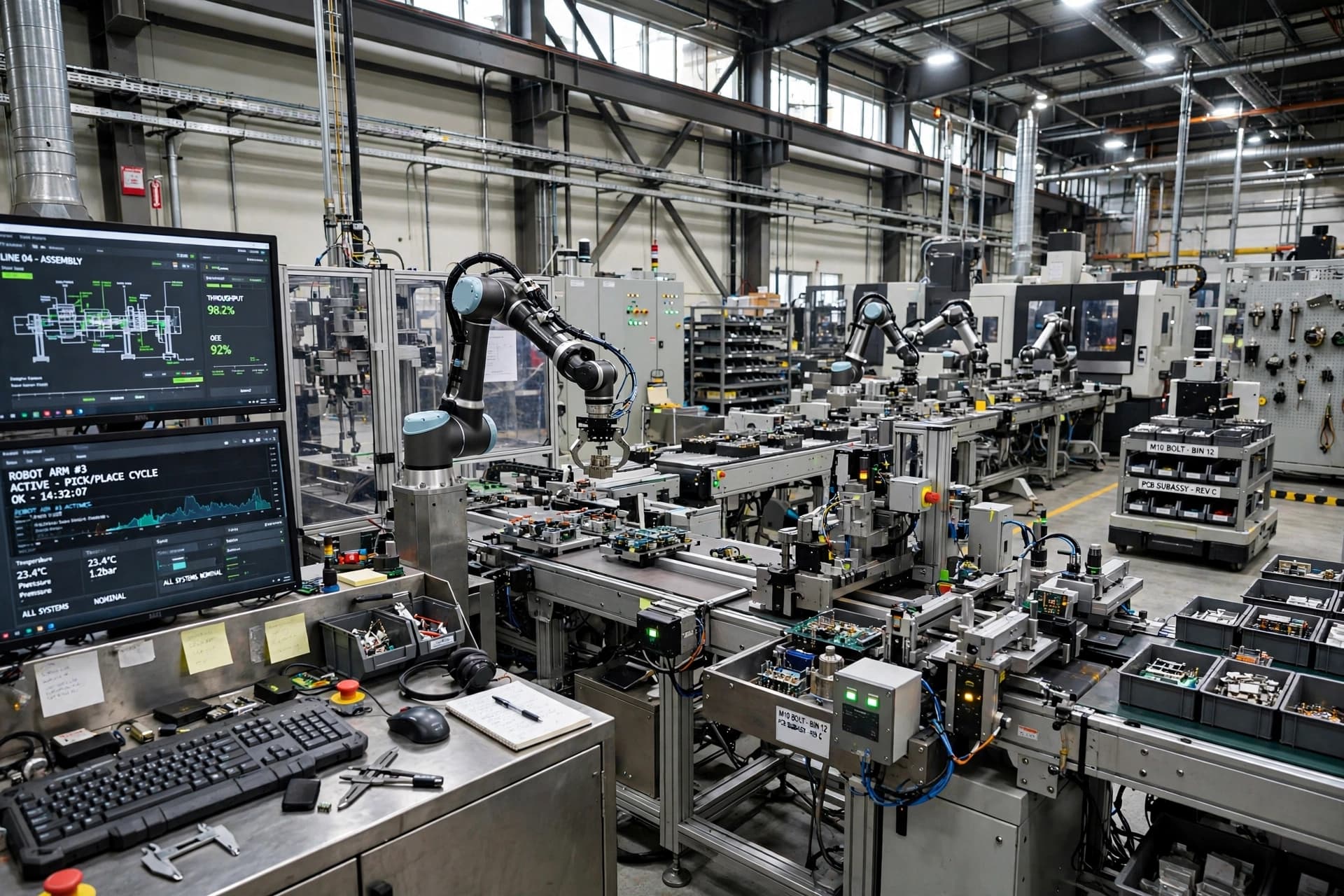
The cornerstone of the pact is a massive investment commitment: Taiwanese companies, led by semiconductor powerhouse TSMC, have agreed to invest at least $250 billion in the United States to build and expand chip manufacturing facilities, including future fabs and advanced packaging plants. Taiwan’s government will further support these efforts by providing an additional $250 billion in credit guarantees to encourage even more investment and supply‑chain development on American soil.
This agreement aligns with the Trump administration’s longstanding goal of bringing advanced semiconductor production back to the United States — a strategic priority not only for economic competitiveness but also for national security. Lower tariffs and preferential treatment for Taiwanese firms that build U.S. capacity create incentives for companies to situate high‑tech manufacturing domestically, while also deepening technological ties between the two partners.
Yet the deal reverberates beyond economics. In a broader geopolitical context, it signals a deepening of U.S.–Taiwan cooperation at a moment when regional tensions with China remain high. Beijing has historically opposed formal agreements between Taipei and Washington, viewing them as challenges to its claims over the island. While the trade pact could prompt diplomatic pushback from Beijing, both Taipei and Washington have framed it as a mutually beneficial economic partnership grounded in shared interests.
As lawmakers in Taiwan prepare to ratify the pact and U.S. policymakers consider its implications, the agreement stands as a testament to how trade policy and technology strategy can intersect — turning tariff negotiations into a platform for reshaping the supply chains of tomorrow’s most advanced industries.
AI Image Disclaimer “Visuals are created with AI tools and are not real photographs.”
Sources Reuters Bloomberg Associated Press Al Jazeera Barron’s
Published by Banx Network. This article is part of the Banx decentralized media programme, powered by the BXE token on the XRP Ledger.