

Key Highlights
- Proposed dividend payments could reach $2,000 per household.
- Payments are expected to roll out as early as mid-2026.
- The plan aims to redistribute tariff revenues back to American citizens.
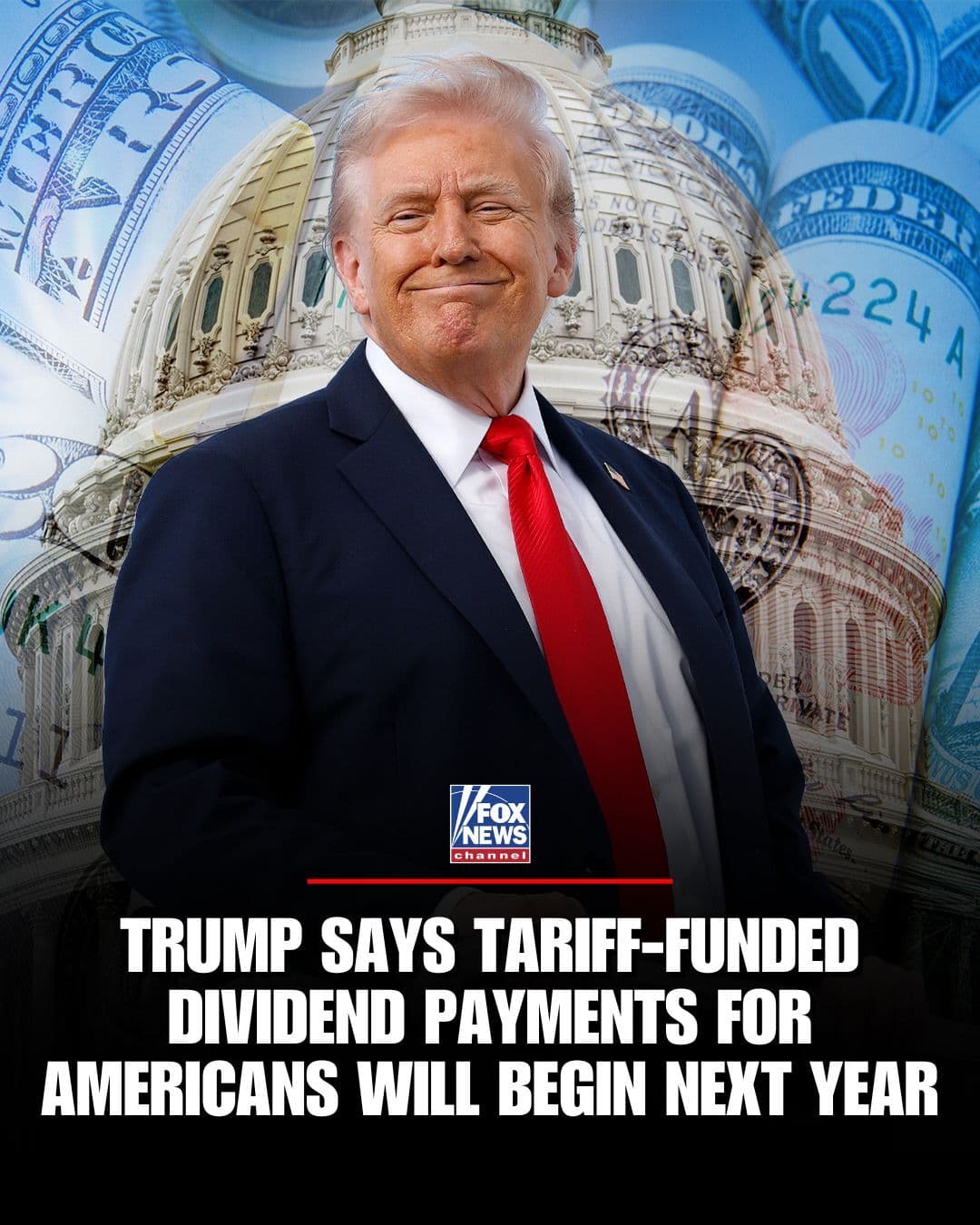
The Tariff Payback plan is generating significant attention in political and economic circles across the United States. This innovative proposal suggests that American households could receive direct payments funded by revenues collected from tariffs on foreign imports. The anticipated checks could amount to as much as $2,000 per household, with a potential rollout date set for mid-2026.
The concept behind the Tariff Payback is straightforward: instead of tariff revenues being absorbed into the federal budget, a portion would be redistributed to citizens as a form of profit-sharing. Proponents of the plan argue that this approach transforms tariffs from a hidden tax into a direct benefit for American families, allowing them to share in the profits generated from international trade.
Supporters of the Tariff Payback believe that these dividend payments could stimulate consumer spending and bolster middle-class households. They draw parallels to resource-based dividend systems in countries like Norway, where citizens receive a share of profits from natural resources. By implementing a similar model for tariff revenues, advocates argue that the U.S. could enhance its economic stability and improve the trade balance.
However, the proposal has drawn criticism from various economists and policy experts. Detractors caution that while the idea of tariff-funded dividends may sound appealing, the reality could be more complicated. Tariffs often lead to increased prices on imported goods, which could negate the benefits of receiving dividend payments. Consumers might find themselves paying more at the checkout counter while waiting for their annual payouts, raising questions about the overall effectiveness of the plan.
The political implications of the Tariff Payback are also noteworthy. For many Americans, the prospect of receiving additional income during times of inflation and economic uncertainty is enticing. This proposal could resonate with voters seeking immediate financial relief. However, it also challenges traditional economic policies and raises concerns about the long-term sustainability of such a system. Implementing a national-scale tariff-funded dividend would represent a significant departure from established practices regarding federal revenue allocation.
As discussions surrounding the Tariff Payback continue, it is clear that this proposal is poised to become a central topic in economic debates over the coming year. Whether viewed as a groundbreaking innovation or a risky economic gamble, the plan has the potential to reshape how Americans perceive and benefit from international trade. The outcome of this initiative could redefine the relationship between federal revenue and citizen welfare, marking a pivotal moment in U.S. economic policy.
Published by Banx Network. This article is part of the Banx decentralized media programme, powered by the BXE token on the XRP Ledger.




