In the high-stakes arena of political journalism, access is both a privilege and a tool. The recent decision by the White House to bar CNN from traveling aboard Air Force One with President Donald Trump marks a significant shift in the relationship between the executive branch and the media. This move, described by some as a break from tradition, raises questions about transparency, press freedom, and the evolving dynamics of political communication in the digital age.
The exclusion of CNN from the presidential pool for a trip to Tennessee was confirmed by network spokespeople, citing instructions from the White House. Historically, major news organizations rotate roles in providing pool coverage, ensuring that a diverse range of perspectives is represented in the reporting of presidential activities. This latest decision disrupts that norm, leaving CNN to cover the president’s movements from afar.
Supporters of the decision argue that it reflects a strategic choice to manage media narratives and prioritize outlets perceived as more favorable or cooperative. Critics, however, view it as an attempt to limit scrutiny and control the flow of information. The tension between the administration and certain media entities has been a recurring theme, highlighting the challenges of maintaining open dialogue in a polarized environment.
For journalists, the barrier to access complicates the task of reporting accurately and comprehensively. Without direct presence on Air Force One, reporters miss out on informal interactions, background briefings, and the nuanced context that often shapes public understanding of policy and leadership. This gap can lead to reliance on secondary sources, potentially affecting the depth and immediacy of news coverage.
The reaction from the journalistic community has been mixed, with some expressing concern about the precedent set by such exclusions. Others note that alternative methods of coverage, including remote interviews and official statements, can still provide valuable insights. Yet, the symbolic weight of being barred from the president’s plane cannot be ignored, as it signals a changing landscape in press-government relations.
Public opinion on the matter is divided, reflecting broader attitudes toward the media and political leadership. Some viewers appreciate the administration’s assertiveness, while others worry about the implications for democratic accountability. The debate underscores the importance of a free press in holding power to account and informing the citizenry.
As the situation unfolds, it remains to be seen whether this exclusion will become a permanent feature of the current administration’s media strategy or a temporary tactic. Future trips and press interactions will likely be watched closely for signs of further changes in access policies.
The barring of CNN from Air Force One is more than a logistical detail; it is a statement about the role of media in modern politics. As discussions continue, the focus remains on balancing security, narrative control, and the public’s right to know. In this complex dance, the steps taken today may shape the rhythm of political journalism for years to come.
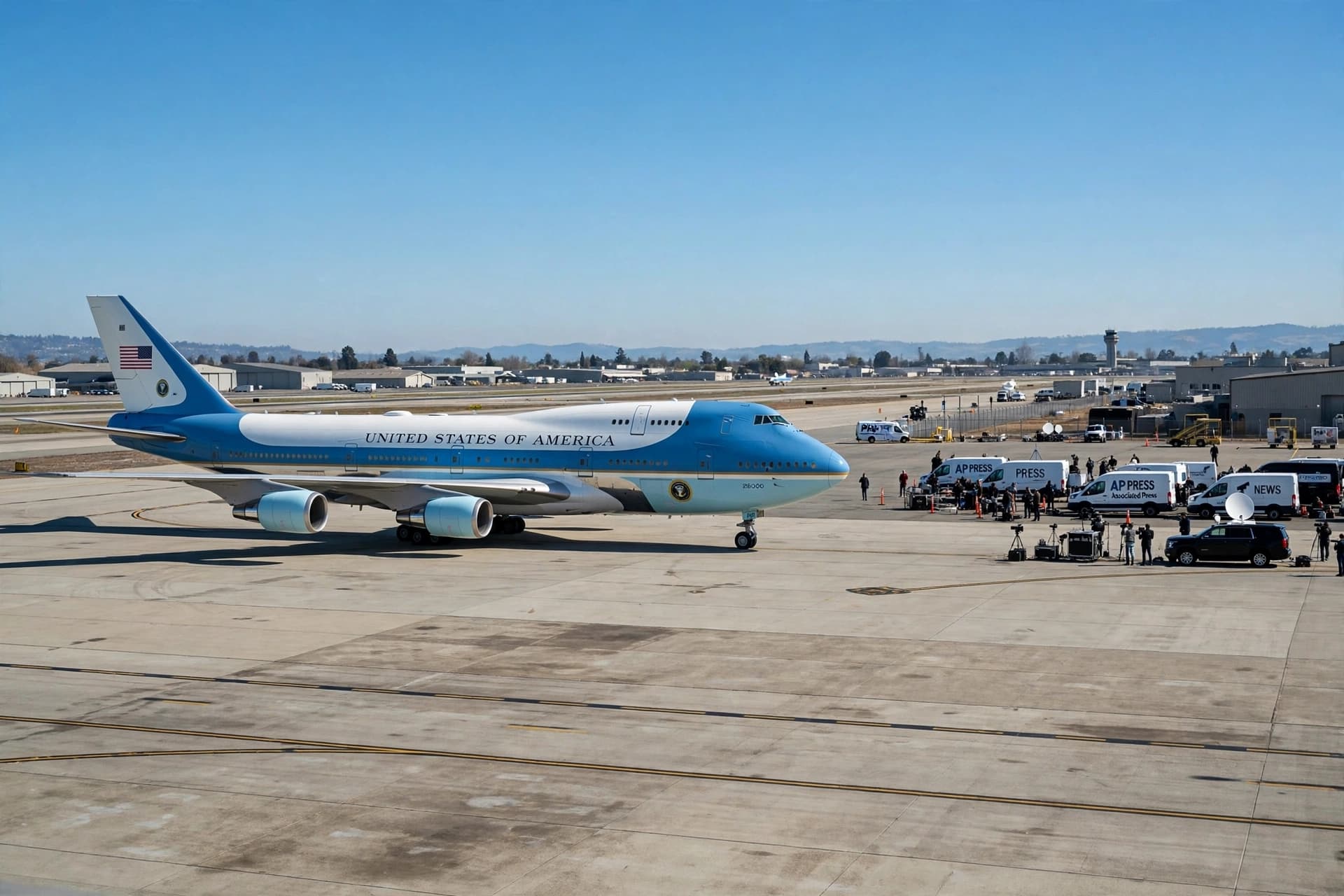
AI Image Disclaimer: Images accompanying this text are AI-generated symbolic representations of political media and air travel, not actual photographs of Air Force One or specific journalists.
Sources: Politico BBC News The Guardian NBC Washington Al Jazeera
Published by Banx Network. This article is part of the Banx decentralized media programme, powered by the BXE token on the XRP Ledger.