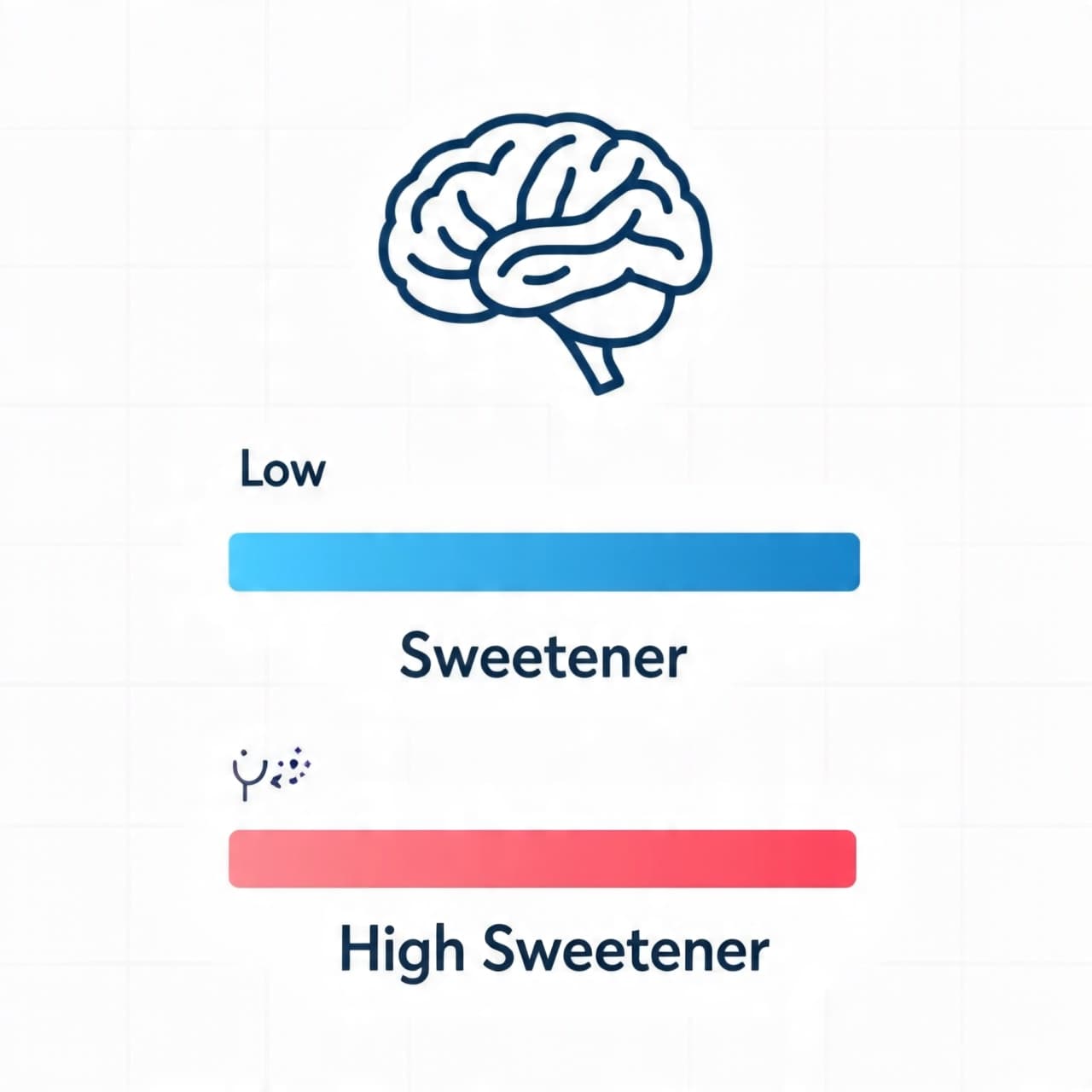
In many kitchens and lunchboxes, a packet of zero‑calorie sweetener might sit alongside coffee mugs and snack bars, seemingly benign and uncomplicated. Like a gentle breeze that surprises you with a chill, new research suggests these widely embraced sugar alternatives may carry subtler consequences than we first assumed — not for the waistline, but potentially for the mind’s gradual unfolding over time.
A large, long‑term study — one of the most extensive of its kind — followed more than 12,700 adults in Brazil over roughly eight years, gauging not only what they ate but also how their thinking and memory changed year by year. The findings, published in the medical journal Neurology, hint at a connection between higher consumption of several common artificial sweeteners and faster declines in cognitive skills such as memory, verbal fluency, and overall thinking ability.
Those who consumed the most — about 191 milligrams per day of low‑ and no‑calorie sweeteners — tended to experience cognitive changes that, statistically speaking, were equivalent to roughly 1.6 extra years of brain aging compared to those who consumed far less. Even moderate consumers saw declines at a steeper pace, roughly reflecting the cognitive shifts expected over more than a year’s aging.
The sweeteners studied included aspartame, saccharin, acesulfame‑K, erythritol, xylitol, and sorbitol, many of which are found in diet sodas, flavored waters, sugar‑free gums, yogurts, and other ultra‑processed foods. Nearly all were associated with the stronger declines observed, except for tagatose, which did not show a clear link.
Interestingly, this pattern was most pronounced among participants under the age of 60, and particularly so among people living with diabetes — a group more likely to choose artificial sweeteners as a sugar alternative. No meaningful association was observed in participants older than 60, leaving open questions about how age, metabolism, and lifestyle may interact with dietary patterns.
Yet, as with all things nutritional and biological, the story isn’t one of simple cause and effect. The researchers emphasize that this was an observational study, meaning it reveals links, not definitive proof that sweeteners directly cause cognitive decline. Diet was self‑reported, and many other lifestyle and health factors — such as physical activity, social engagement, and overall diet quality — also play powerful roles in how minds age over time.
Still, these findings add a thoughtful pause to the broader conversation about sugar substitutes — reminding us that nourishment and health are complex dialogues between what we consume and how our bodies interpret it over time. As we balance sweetness with wellbeing, we are invited to reflect not just on waistlines, but on the rhythms of memory, thought, and aging themselves.
AI Image Disclaimer Visuals are created with AI tools and are not real photographs, intended for concept representation only.
📰 Sources (Media Names Only) SciTechDaily The Guardian Prevention (Health) Harvard Health Publishing ScienceDaily
Published by Banx Network. This article is part of the Banx decentralized media programme, powered by the BXE token on the XRP Ledger.