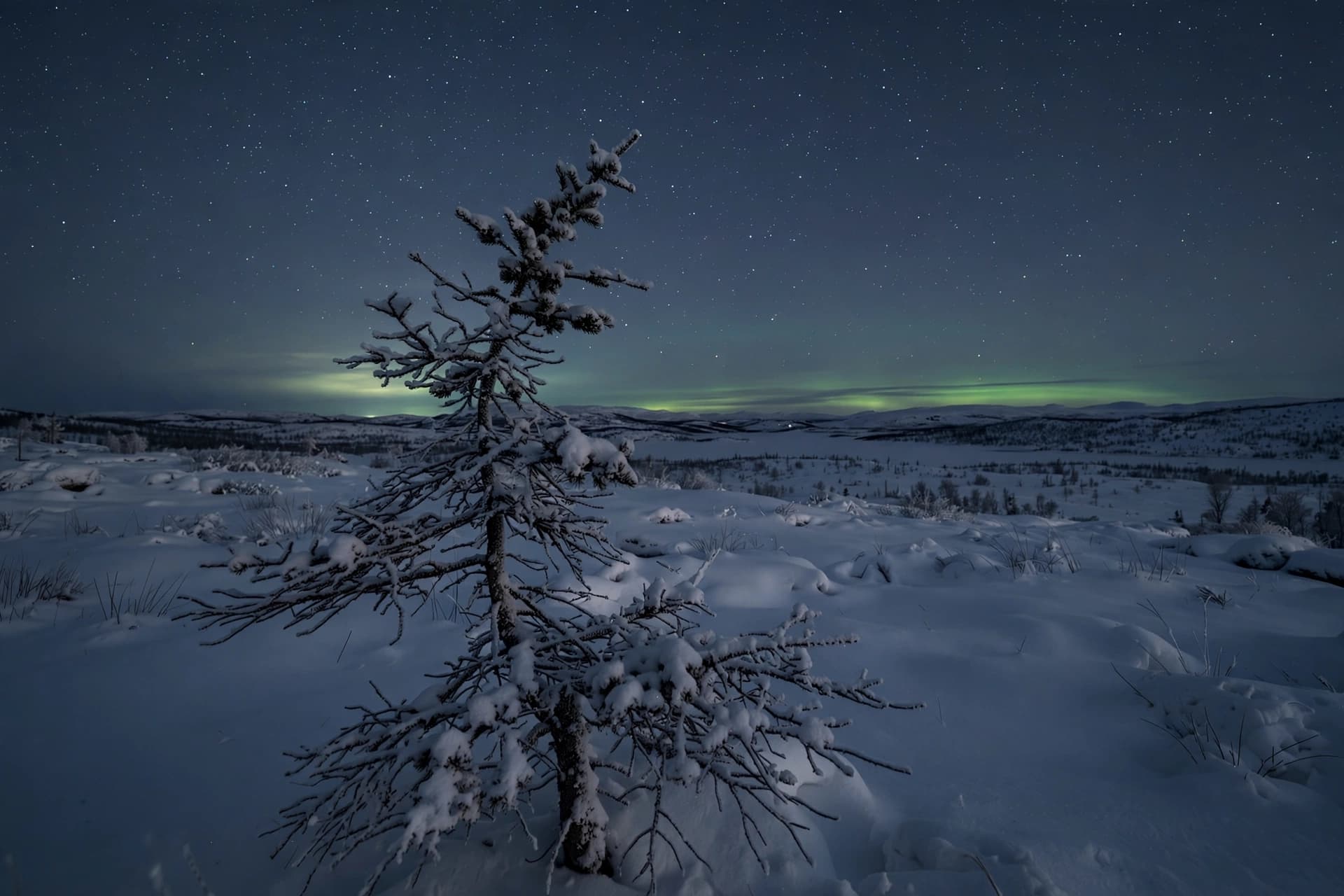
For centuries, the aurora has inspired stories, songs, and scientific curiosity. Curtains of green, red, and purple light stretching across the night sky remind observers that Earth is connected to forces far beyond its atmosphere. Scientists are currently monitoring increased solar activity that could create favorable conditions for future auroral displays.
The phenomenon begins with the Sun. During periods of heightened activity, the star releases streams of charged particles into space through solar flares and coronal mass ejections. When these particles travel toward Earth, they interact with the planet's magnetic field.
As the particles enter the upper atmosphere, they collide with oxygen and nitrogen molecules. These interactions release energy in the form of light, creating the colorful displays known as the Northern and Southern Lights. The colors and intensity of the aurora depend on atmospheric conditions and the strength of the solar event.
Researchers use satellites and specialized observatories to monitor the Sun around the clock. Space weather forecasting has become an important scientific field because solar activity can influence both natural phenomena and modern technology.
In addition to producing auroras, strong geomagnetic storms may affect satellite operations, communication systems, and navigation networks. Power grid operators and technology providers often monitor space weather forecasts to prepare for potential disruptions during significant solar events.
Scientists explain that the Sun follows an approximately eleven-year activity cycle. During periods of maximum activity, solar flares and coronal mass ejections become more frequent, increasing opportunities for visible auroras in regions farther from the poles.
Public interest in auroras has grown as photography and social media allow spectacular images to be shared worldwide. Experts encourage sky watchers to follow official space weather forecasts for accurate information about viewing conditions.
International cooperation supports solar research through networks of satellites, observatories, and scientific institutions. Shared observations improve forecasting accuracy and deepen understanding of the relationship between the Sun and Earth.
The latest solar activity serves as a reminder that our planet exists within a dynamic cosmic environment. While scientists continue to monitor the Sun's changing behavior, the possibility of another auroral display offers a beautiful example of the connection between astronomy and everyday life.
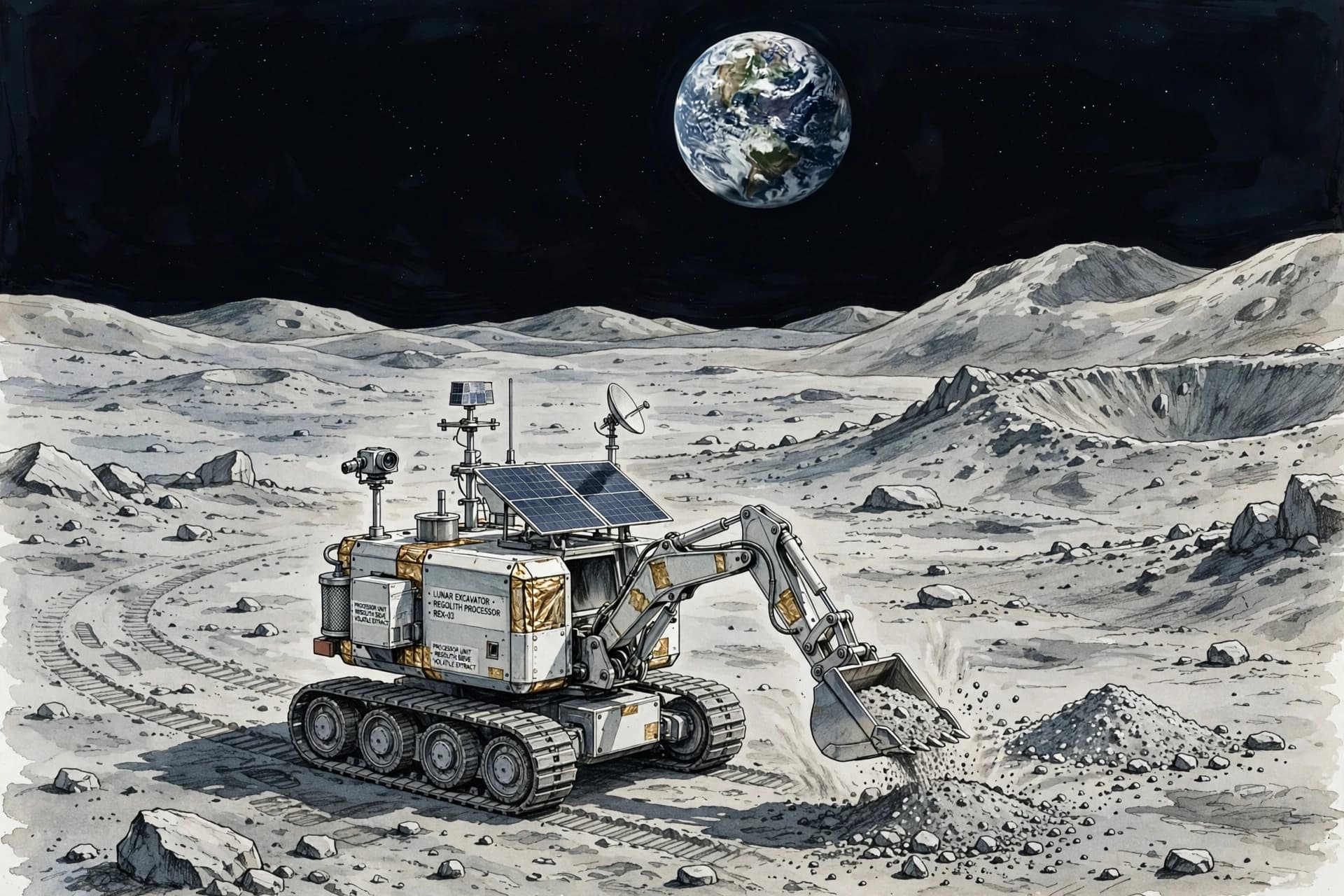
AI Image Disclaimer: The illustration for this article was generated using AI to provide a visual interpretation of the subject.
Sources: EarthSky, NASA, NOAA Space Weather Prediction Center, Reuters.
Published by Banx Network. This article is part of the Banx decentralized media programme, powered by the BXE token on the XRP Ledger.