The rhythm of rural life is often dictated by the slow, predictable cycles of the season—the planting, the harvest, and the quiet transitions of the sun. Yet, there are moments when this natural pace is violently interrupted, replaced by the jarring, unnatural thunder of artillery. When the familiar quiet of the village is pierced by the sudden arrival of shellfire, the world feels as though it has tilted on its axis. For the families residing in the path of such volatility, the reality of conflict is no longer a distant headline, but a visceral, immediate threat that demands their resilience and tests the fragile safety of their homes.
In the aftermath of the most recent shelling, the atmosphere in the village remains thick with a lingering, apprehensive stillness. It is a profound change from the everyday occurrences of the morning, where the primary concern was the weather or the yield of the fields. Now, the focus has shifted entirely to the fragility of the young, as news emerges of two children injured in the strike. The injury of a child is an event that cuts through the abstraction of regional instability, grounding the narrative in the deeply personal, harrowing experience of parental concern and collective mourning.
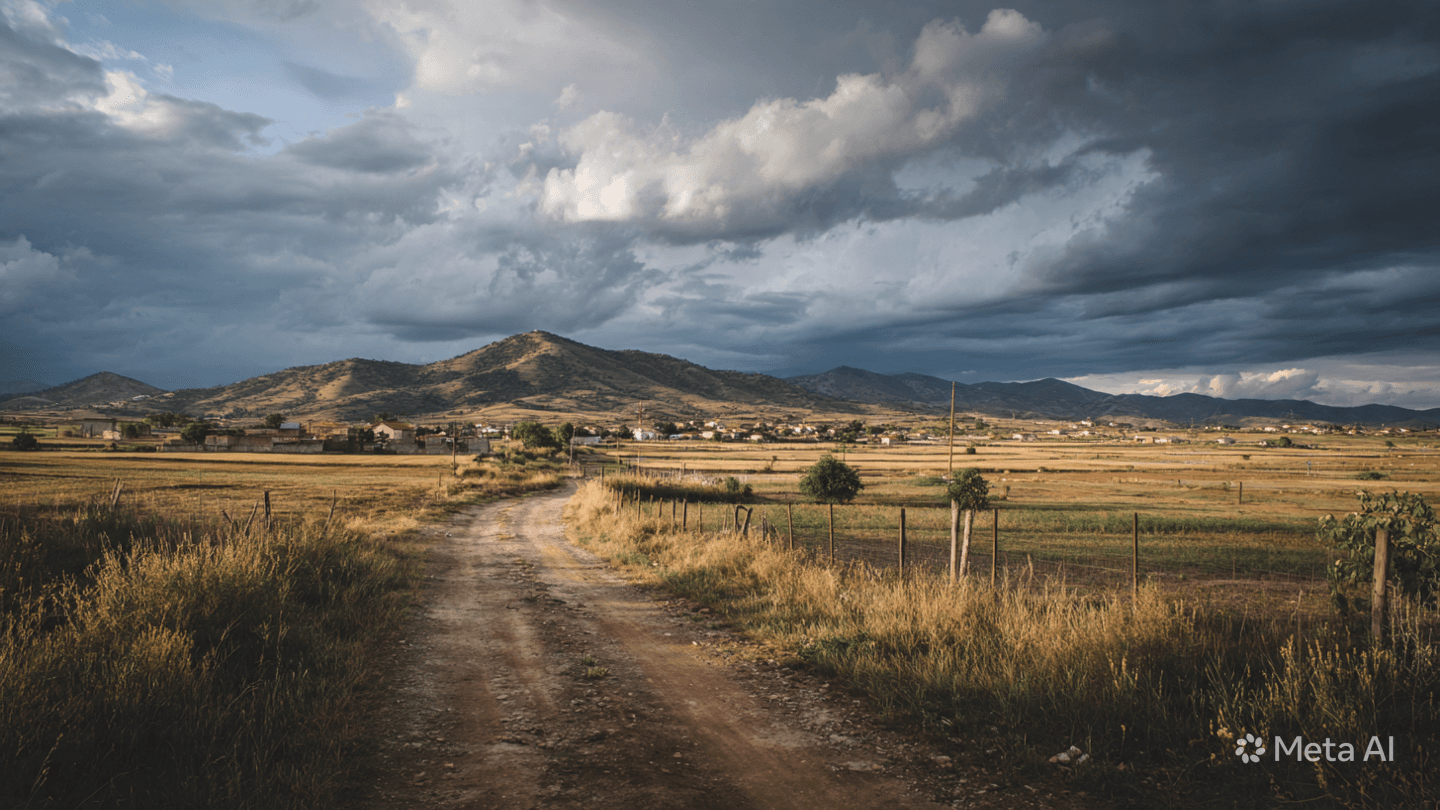
The path to the village, once a common artery of transit, has become a place of hesitation. Rescuers and local caregivers have moved through the debris with measured care, their actions guided by the persistent fear of secondary strikes. It is a scene characterized by a solemn, necessary urgency, where every movement is made with an eye toward the horizon. The landscape, once characterized by its peaceful isolation, now reflects the vulnerability of those who find themselves caught between competing interests, unable to shield their loved ones from the reach of heavy weaponry.
The trauma of such events does not dissipate when the smoke clears or when the wounded are transported to care. It settles into the daily life of the community, influencing how decisions are made, how time is spent, and where people seek shelter as the sun sets. The incident serves as a poignant, painful reminder that the safety of residential spaces is perpetually at risk when artillery becomes a normalized tool in the regional narrative. It is a reality that demands a reevaluation of what it means to live in a contested environment, where the boundary between civilian life and conflict zones is frequently erased.
As the village begins to process the shock of the shelling, the emphasis remains on the recovery of the injured and the stabilization of the community’s spirit. Neighbors are stepping into roles of support that extend beyond the logistical needs of the moment, providing a network of care that is the only true refuge in times of instability. The narrative of the village has been permanently altered by this event, becoming a story not just of resilience, but of the heavy toll paid by those who did not ask to be part of the conflict.
The medical facilities receiving the children are functioning under immense pressure, drawing on limited resources to address the severe nature of the trauma. These facilities, often already overextended by the broader regional instability, are the frontline of a quiet, persistent struggle to preserve life. The dedication of the staff, who work in the shadow of the uncertainty, is the invisible thread that holds the community together, ensuring that even in the face of such senseless injury, there remains a commitment to the preservation of human dignity and the healing of the young.
The investigation into the source of the artillery is currently secondary to the ongoing efforts to secure the area and ensure that no further strikes occur. Local monitors are documenting the impact, recording the coordinates of the damage to piece together the trajectory of the fire. It is a clinical, necessary process that serves the broader need for accountability, even as the community seeks the immediate, emotional solace of a reprieve from the violence. The focus remains, as it must, on the health of the children and the restoration of a semblance of safety.
The event has been formally noted by regional humanitarian groups, who have mobilized to assess the long-term needs of the families affected by the shelling. These organizations are working to provide not just immediate material relief, but the necessary psychosocial support to help the community navigate the ongoing psychological impact of the strike. The situation in the village remains fragile, with residents carefully monitoring the local environment, waiting for a signal that the immediate threat has subsided and that their children can return to the rhythms of an untroubled life.
Published by Banx Network. This article is part of the Banx decentralized media programme, powered by the BXE token on the XRP Ledger.

.jpg&w=3840&q=75 "Intelligence Agencies Suspect Russia Is Developing Anti-Satellite Weapon to Target Starlink")