
Key Highlights
- Coral Recovery:Recent surveys indicate the highest coral cover in over 30 years.
- Biodiversity Boost:Fast-growing Acropora corals are enhancing reef structure.
- Ongoing Risks:Climate change continues to pose threats to the reef's health.
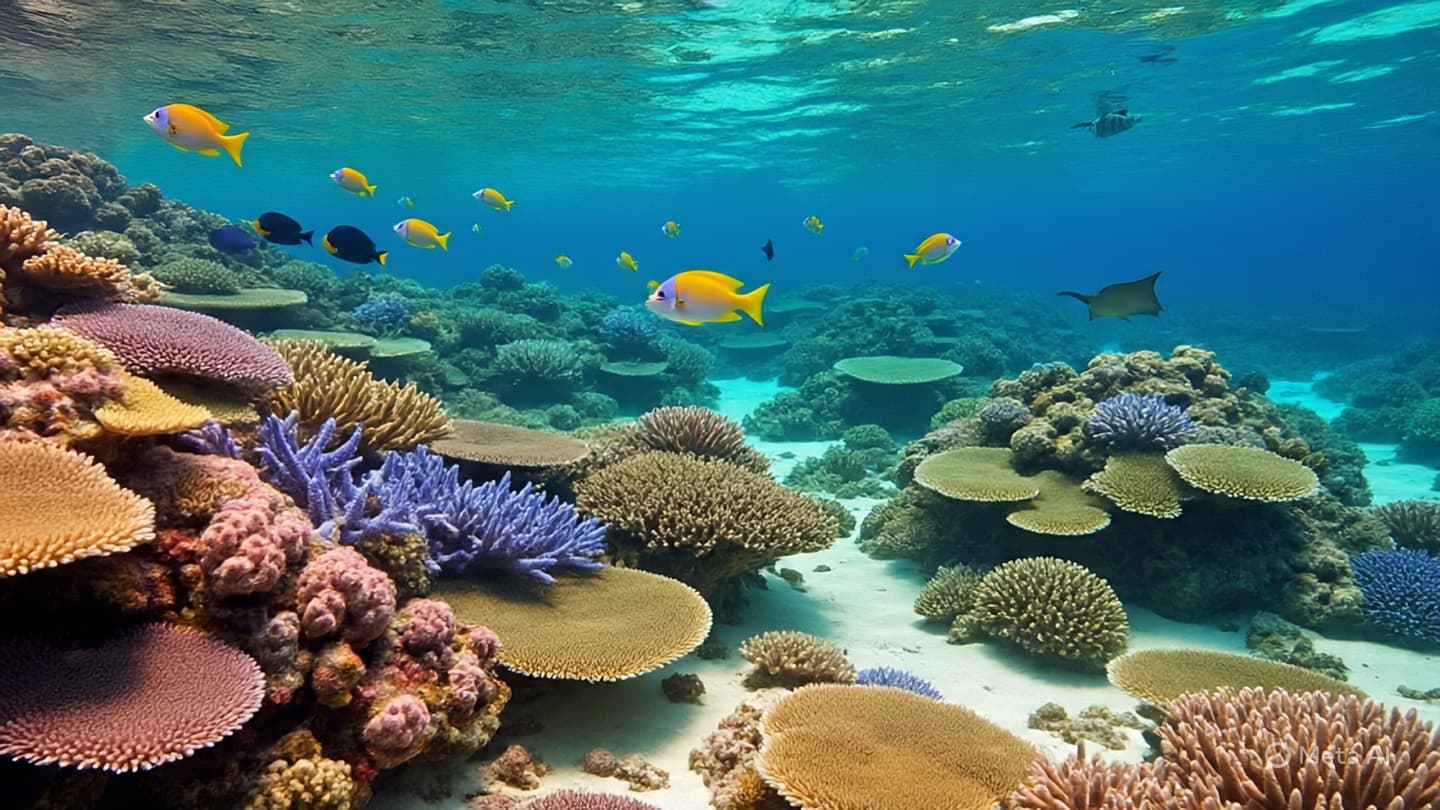
The Great Barrier Reef, a UNESCO World Heritage site and one of the planet's most vital ecosystems, is experiencing a remarkable resurgence. Recent surveys conducted by the Australian Institute of Marine Science have documented the highest levels of coral cover in certain areas of the reef in over three decades. This resurgence is particularly notable in the fast-growing Acropora corals, which play a crucial role in maintaining the structural integrity and biodiversity of the reef.
The recovery of the Great Barrier Reef is a complex narrative that intertwines ecological resilience with the ongoing challenges posed by climate change. While the recent data offers a glimmer of hope, it is essential to recognize that the reef's recovery is not a definitive victory. Instead, it represents a hopeful chapter in a long and ongoing story of adaptation and survival. The coral's ability to rebound after periods of stress underscores the importance of providing stable conditions for marine ecosystems to thrive.
In the underwater gardens of the reef, the return of coral is accompanied by a resurgence of marine life. Schools of grazing fish are returning, sea turtles are reclaiming their foraging grounds, and the underwater soundscape is once again filled with the symphony of life. This vibrant ecosystem is a testament to the interconnectedness of marine species and the delicate balance that sustains them.
The scientists monitoring these changes emphasize that the recovery observed is not a return to the past but rather a shift toward a new ecological equilibrium. They are witnessing how certain species are adapting to warmer waters, finding innovative ways to survive in an environment that is constantly changing. This adaptability is crucial as the reef faces ongoing threats from climate change, including coral bleaching and ocean acidification.
As the sun sets over the Pacific, casting a warm glow across the water's surface, the Great Barrier Reef remains a hidden world of activity and resilience. It is a sanctuary that continues to evolve, revealing the intricate relationships between its inhabitants and their environment. The recovery we see today is a reminder of the earth's capacity for renewal, provided we allow it the space to breathe and heal.
While the future of the Great Barrier Reef is still uncertain, the current signs of recovery offer a moment of cautious optimism. The coral is reaching for the light, the fish are returning, and the underwater forest is proving that it is far from finished. This vibrant ecosystem stands as a beacon of hope in a world facing significant environmental challenges.
In conclusion, the Great Barrier Reef's recovery is a complex interplay of resilience and vulnerability. The ongoing efforts of scientists and conservationists are crucial in ensuring that this natural wonder continues to thrive for generations to come. As we navigate the challenges of climate change, the lessons learned from the reef's recovery can inform our approach to environmental stewardship and conservation efforts worldwide.
Published by Banx Network. This article is part of the Banx decentralized media programme, powered by the BXE token on the XRP Ledger.



