
Key Highlights
- Smart Traffic Initiative:Auckland has launched an AI-driven traffic management system.
- Commute Improvement:The system has achieved a 15% reduction in average commute times.
- Environmental Impact:The initiative has led to a decrease in localized vehicle emissions.
Auckland, New Zealand, is embracing a transformative approach to urban mobility with the implementation of a smart traffic management system. This initiative, part of the city's broader 'Smart City' project, aims to enhance the flow of traffic while simultaneously addressing environmental concerns. By integrating advanced technology into its infrastructure, Auckland is setting a precedent for cities worldwide.
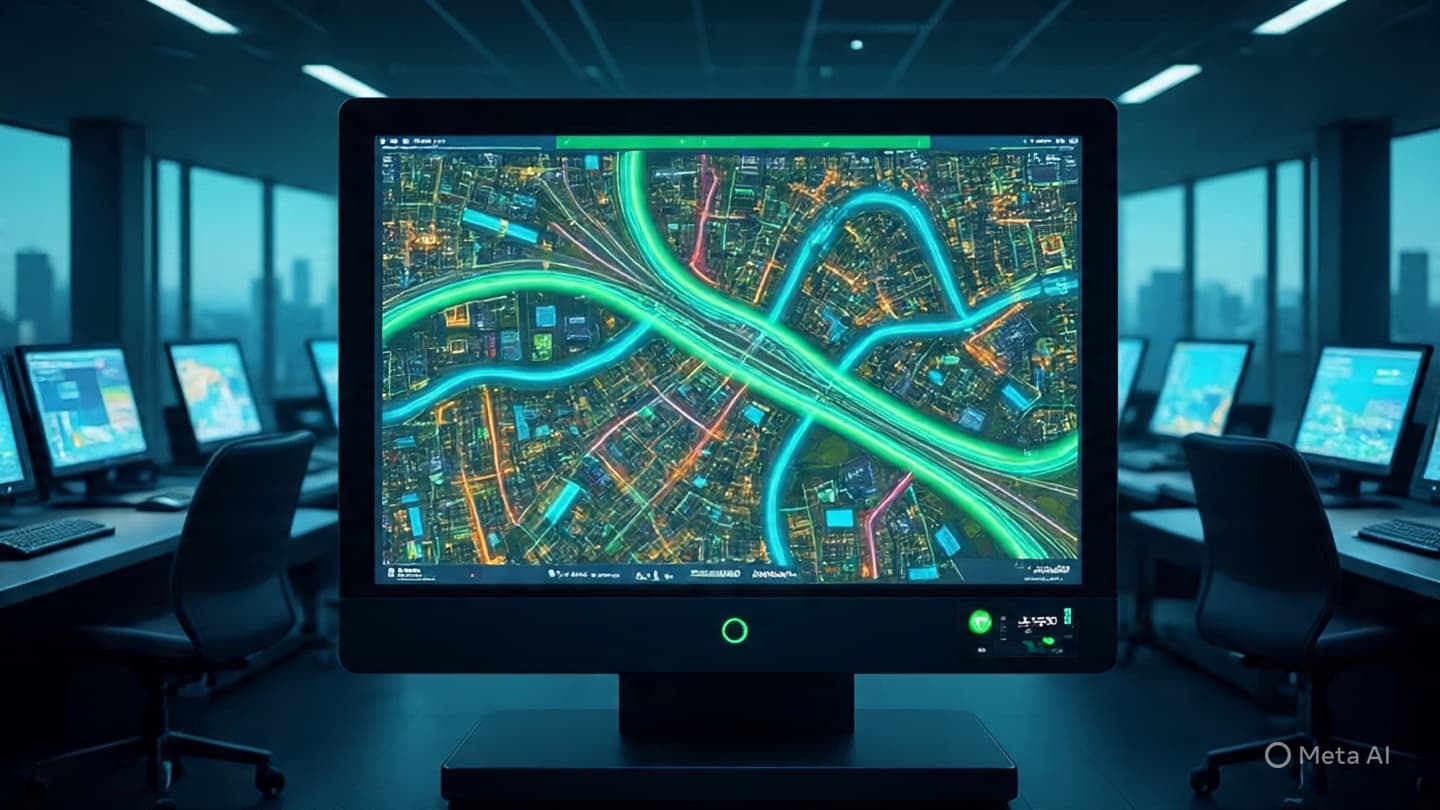
The smart traffic system utilizes a network of sensors and cameras to monitor real-time traffic conditions. Unlike traditional traffic lights that operate on fixed schedules, this new system adapts to the actual flow of vehicles and pedestrians. This dynamic response not only improves traffic efficiency but also reduces the time vehicles spend idling at red lights, contributing to lower carbon emissions.
The first phase of the initiative has been successfully completed, with AI-driven signal optimization deployed across 200 major intersections. Early results indicate a significant 15% reduction in average commute times, providing tangible benefits to daily commuters. This improvement is not just a matter of convenience; it represents a commitment to creating a more sustainable urban environment.
Residents of Auckland are already experiencing the positive effects of this technology. The small, regained moments of time during commutes add up, leading to a more pleasant and less stressful travel experience. The system's ability to adjust signal timings based on real-time data means that traffic flows more smoothly, reducing frustration and enhancing overall quality of life.
The engineers behind the project view the city as a living organism, where the smart grid acts as its brain. By processing vast amounts of data, the system ensures that energy and time are not wasted in traffic congestion. This innovative approach aligns with New Zealand's commitment to sustainability and technological advancement, showcasing how cities can harmonize ecological responsibility with modern infrastructure.
As the sun sets over Auckland, the city lights illuminate not just the skyline but also the interconnectedness of its systems. The synchronized traffic signals and responsive streetlights create a cohesive urban experience, guiding residents safely to their destinations. This subtle yet profound transformation marks the beginning of a new era in urban living, where technology enhances the human experience rather than detracts from it.
Auckland's smart traffic management system serves as a model for other cities looking to improve their infrastructure. By prioritizing efficiency and sustainability, Auckland is leading the way in demonstrating that the future of urban living lies in the intelligent integration of technology and environmental stewardship.
Published by Banx Network. This article is part of the Banx decentralized media programme, powered by the BXE token on the XRP Ledger.



