
Key Highlights
- Recovery:The Great Barrier Reef shows signs of resilience amid environmental challenges.
- Biodiversity:A complex ecosystem thrives, showcasing interdependence among species.
- Community Efforts:Coastal communities are committed to protecting the reef's health.
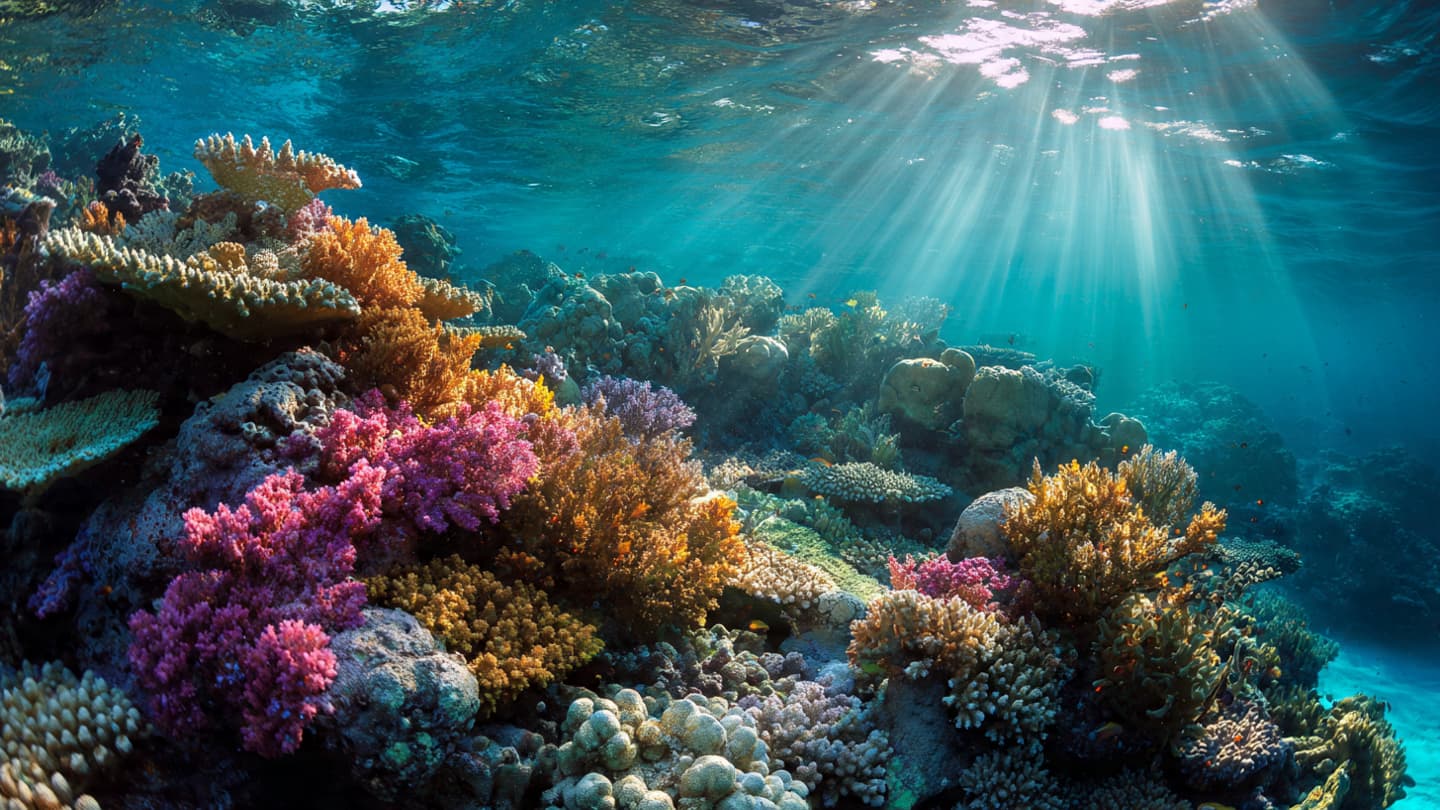
The Great Barrier Reef, a UNESCO World Heritage site, is currently experiencing a remarkable recovery, showcasing its resilience against the backdrop of climate change and environmental degradation. Beneath the surface of the Coral Sea, marine biologists have observed a resurgence of coral spawning, indicating a healthy ecosystem that continues to thrive despite significant challenges. This resurgence is not just a testament to the reef's natural resilience but also highlights the ongoing efforts of local communities and conservationists dedicated to preserving this vital marine habitat.
In recent years, scientists have noted a surprising vigor in coral spawning seasons, with millions of larvae released into the water, a sign of hope for the reef's future. These spawning events are crucial for the continuity of coral species, ensuring that the reef can recover and adapt to changing environmental conditions. The recovery is particularly evident in cooler waters and sheltered lagoons, where the balance of elements supports coral growth. This phenomenon serves as a reminder of nature's inherent ability to restore itself when given the right conditions.
The intricate relationships among the reef's inhabitants play a pivotal role in its health. Parrotfish, for instance, help control algae growth, while sea turtles navigate the coral canyons, contributing to the ecosystem's balance. Clownfish find refuge in anemones, showcasing the interdependence that defines this underwater world. Protecting one species within this complex web is essential for the overall health of the reef, emphasizing the need for comprehensive conservation strategies.
For the coastal communities of Queensland, the Great Barrier Reef is not merely a natural wonder; it is integral to their identity and livelihoods. Local fishermen and tourism operators understand the importance of sustainable practices to minimize their impact on the reef. Efforts to reduce runoff and manage maritime traffic reflect a growing commitment to stewardship, ensuring that the reef remains a shared heritage for future generations.
As the tide recedes, revealing the coral structures, the reef's beauty transforms under the sun, reminding us of its vulnerability. This constant interplay between land and sea symbolizes the reef's ongoing struggle for survival. The data collected by underwater drones and satellite sensors indicate a stabilization of coral cover in northern sectors, providing a glimmer of optimism for conservationists. While challenges remain, the reef's ability to bounce back is a testament to its ancient origins and resilience.
In the quiet of the underwater evening, as the moon influences the tides, the Great Barrier Reef continues to be a sanctuary of life and mystery. The story of its recovery is one of persistence, illustrating that beauty and resilience can flourish even in the face of adversity. This vibrant ecosystem serves as a powerful reminder of the importance of collective efforts in environmental conservation, urging us to protect and cherish the natural wonders that sustain our planet.
Published by Banx Network. This article is part of the Banx decentralized media programme, powered by the BXE token on the XRP Ledger.



