
Key Highlights
- Sudden downpour overwhelms drainage systems in southern France.
- Two fatalities confirmed in submerged vehicle during flash flood.
- Emergency response teams mobilize to assess damage and risks.
The rugged, limestone-carved valleys of southern France maintain an enduring, complex relationship with the dramatic summer thunderstorm systems that sweep in from the Mediterranean. These storms provide essential moisture for the region’s iconic agriculture but can also unleash intense hydraulic forces. Life within these winding river valleys moves to a leisurely, traditional cadence, governed by the seasonal movement of regional traffic and the management of historic stone infrastructure. To an outside observer, the narrow roads that trace the floor of these steep canyons appear entirely stable, a secure testament to regional connectivity. Yet, when an unseasonal, slow-moving storm cell dumps an extreme volume of rainfall onto the upland catchments, that familiar canyon road can quickly become a violent, submerged drainage channel.
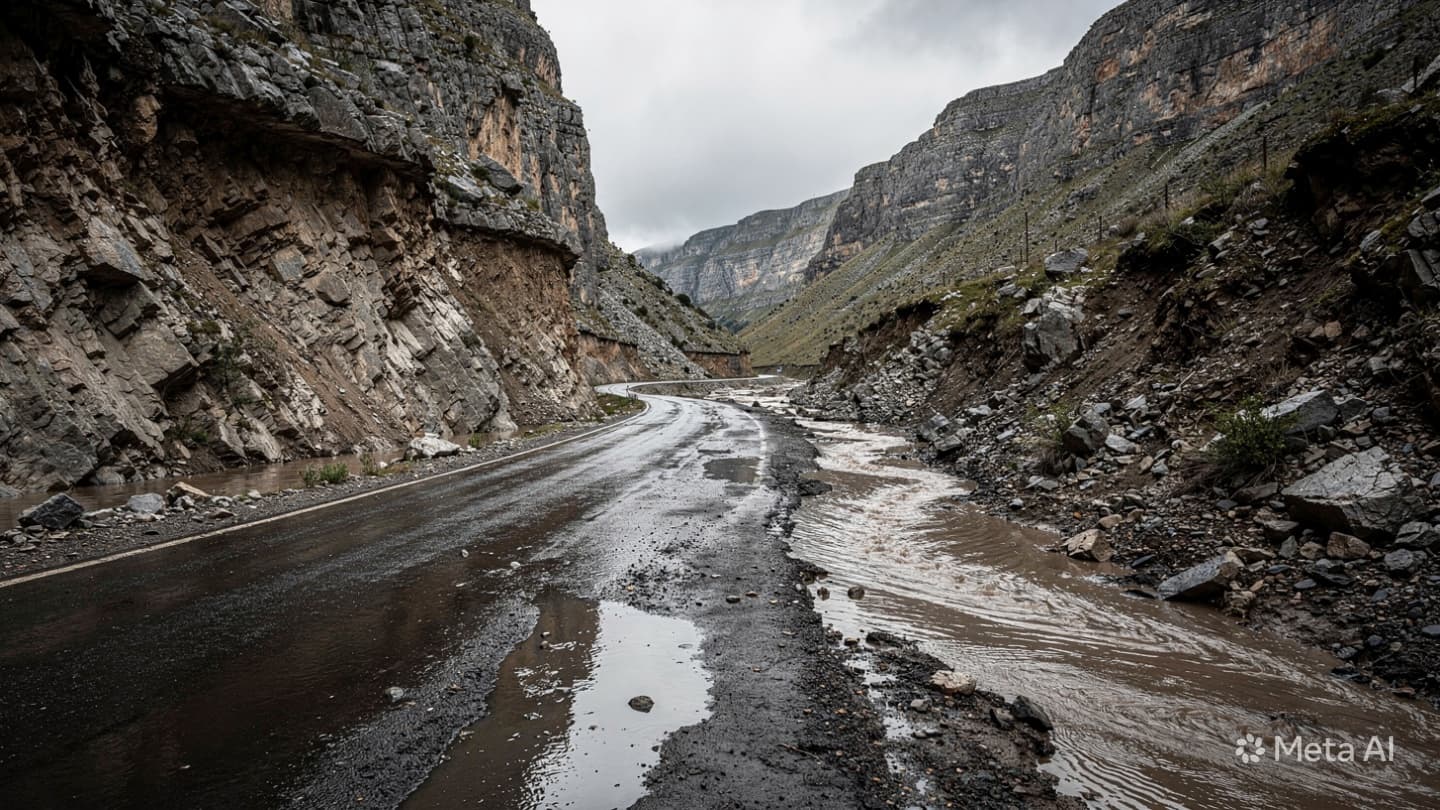
On a recent evening, the valley experienced a sudden, intense downpour that completely overwhelmed the natural drainage capacity of the local gorge within minutes. The change for motorists was instantaneous, as the dry ravine transformed into a rapid-moving torrent, sweeping across the lower sections of the roadway before any detour could be signaled. There is an implicit trust in the safety of these long-established transit routes, built on the assumption that even significant rainfall will be effectively channeled by the existing culverts and drainage systems. Yet, the rapid accumulation of flash flood volume in a confined canyon alters the physics of the environment completely, transforming an ordinary driving path into a zone of immediate, overwhelming structural peril.
The transition from a standard transit route to a catastrophic immersion event occurs when the rising waters meet the elevation of the road, creating a powerful, deep current that can instantly lift a passenger vehicle and drag it into the depths of the gorge. The sheer hydraulic force of the dark, debris-filled water leaves drivers with almost zero visibility and no ability to maintain steering control. In the absolute isolation of the steep-walled canyon, the vehicle becomes trapped by the rising level of the river, quickly filling with water or being pinned against rocky obstacles. For anyone caught in the path of such a sudden surge, the environmental pressure introduces an immediate, fatal hazard that severely limits the capacity to evacuate without external emergency intervention.
When local firefighters, swift-water rescue teams, and gendarmerie finally secured the site and completed the grim recovery operation, the cost of the environmental surge was realized. The confirmation of two fatalities inside the submerged vehicle cast a profound, heavy sorrow over the surrounding village, bringing an immediate halt to the regional traffic flow along the gorge. The canyon floor, its waters receding to leave a thick layer of river-borne silt and jagged driftwood, stood as a silent witness to the sudden intensity of the flash flood. The gorge grew quiet, save for the hum of emergency lighting and the hushed voices of rescue coordinators planning the next steps for structural evaluation.
The loss of life within a transit corridor carries a unique weight, representing a sudden, tragic puncture in the logistical networks that connect these remote Mediterranean valleys. The road was built to ensure that these communities remain connected to the regional hubs, rather than serving as a scene of sudden physical trauma during peak storm events. It forces an unspoken reflection on how quickly our protective, historic engineering can be overwhelmed when localized weather anomalies surpass the parameters of centuries-old infrastructure. The remaining residents gathered along the upper ridges of the canyon, looking down at the cordoned-off water with a quiet sense of vulnerability and shared grief.
By morning, regional hydrological engineers and emergency response coordinators had established a temporary command post near the gorge entrance. Their satellite rainfall data introduced a clinical focus to the scene. The technical task of documenting the flash flood's peak flow, evaluating the capacity of the road’s drainage tunnels, and identifying other sections at risk of catastrophic inundation was handled with a necessary, methodical focus. Yet, despite the systematic efficiency of the inspection teams, the emotional residue of the tragedy settles deep into the foundation stones of the valley. For the engineering teams, the challenge lies not only in restoring safety but also in addressing the vulnerabilities exposed by this devastating event.
Published by Banx Network. This article is part of the Banx decentralized media programme, powered by the BXE token on the XRP Ledger.



