
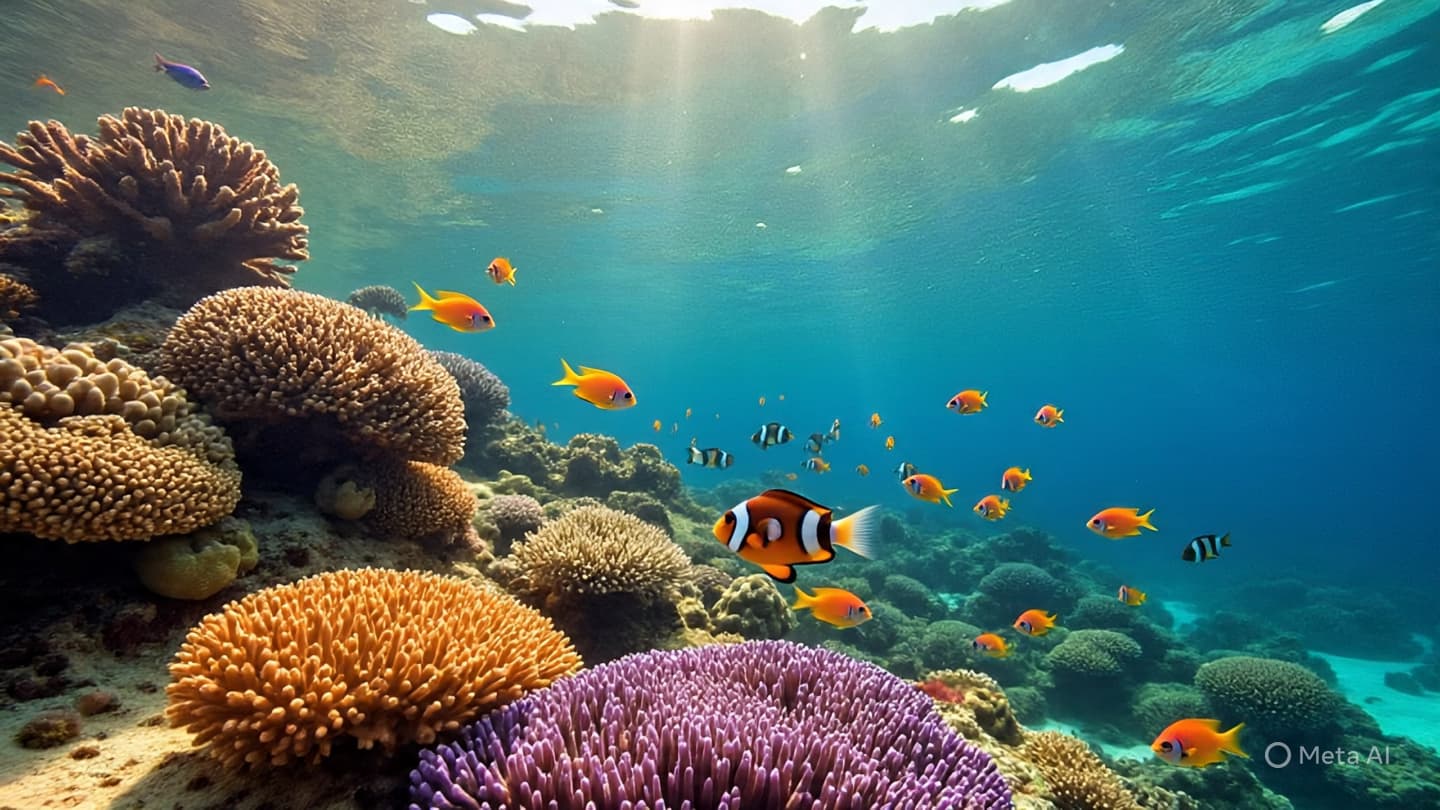
Key Highlights
- Coral Cover:The northern and central sectors of the Great Barrier Reef have reached their highest coral cover in years.
- Recovery Factors:Reduced storm activity and lower summer sea temperatures have contributed to this recovery.
- Future Challenges:Despite current successes, long-term threats from climate change remain a concern.
The Great Barrier Reef exists as a dreamscape beneath the surface of the Coral Sea, a vast, living tapestry that breathes in rhythm with the tides. For years, the narrative surrounding this world wonder was one of fragility and impending loss, a story of color fading into the stark whiteness of bone. However, a quiet shift is occurring in the deeper reaches of the reef, where the water is cooler and the currents carry the seeds of renewal. It is a slow, methodical reclamation, a testament to the ocean’s inherent desire to heal itself.
To witness the return of the coral is to witness a slow-motion explosion of life. Tiny polyps, the master builders of the sea, are once again laying down the foundations of their intricate limestone cities. There is no haste in their work, only the steady, unyielding persistence of nature. The vibrant pinks, electric blues, and deep ochres are returning to patches of the reef that were once silent, creating a mosaic that shifts and shimmers with the filtered sunlight from above.
Marine biologists move through this liquid world with a sense of guarded optimism, their instruments capturing data that speaks of stabilization and growth. It is a labor of observation, a commitment to understanding the subtle signals of a changing environment. The Great Barrier Reef Marine Park Authority has released its latest seasonal report, indicating that coral cover in the northern and central sectors has reached its highest level in several years. Monitoring teams credit a period of reduced storm activity and lower-than-average summer sea temperatures for the successful growth spurt. While the threat of long-term warming persists, the current data shows a robust recovery of key habitat-forming species across major reef systems.
The sounds of the reef are returning—a crackling, snapping symphony of life that indicates a healthy ecosystem. From the smallest shrimp to the largest grazing fish, each inhabitant plays a role in the maintenance of the coral gardens. It is an ancient partnership, one that has survived for millennia and is now being tested by the modern world. The success of these northern sectors provides a blueprint for what is possible when the pressures of human activity are balanced with the needs of the natural world.
There is a profound beauty in the way the reef interacts with the light, a shifting play of shadows and brilliance that changes with every passing cloud. In the quiet depths, away from the surf, the world feels timeless, a place where the concepts of minutes and hours lose their meaning. We are reminded that the reef operates on a geological scale, building its cathedrals over centuries, and that our role is that of a temporary steward.
Efforts to protect these waters have become more focused, moving toward a philosophy of active participation rather than passive observation. From heat-tolerant coral nurseries to the management of runoff, the intervention is surgical and thoughtful. It is a quiet war against degradation, fought with the tools of science and the spirit of conservation. The goal is not just to preserve what remains, but to foster the conditions for a vibrant, self-sustaining future.
As the tides ebb and flow over the outer banks, the reef remains a symbol of the enduring power of the wild. It is a reminder that even the most vulnerable environments possess a remarkable capacity for recovery if given the space to breathe. The return of the apex predators and the thickening of the coral cover are signs that the pulse of the sea is strengthening. It is a victory of the slow and the steady over the forces of decline.
The horizon where the turquoise water meets the pale blue sky remains a place of mystery and wonder. The work beneath the waves is far from over, but the direction of the tide has changed. We watch with a sense of quiet reverence as the coral gardens bloom once more, a living testament to the resilience of our planet. The reef is more than a destination; it is a promise kept between the land and the deep.
Published by Banx Network. This article is part of the Banx decentralized media programme, powered by the BXE token on the XRP Ledger.



