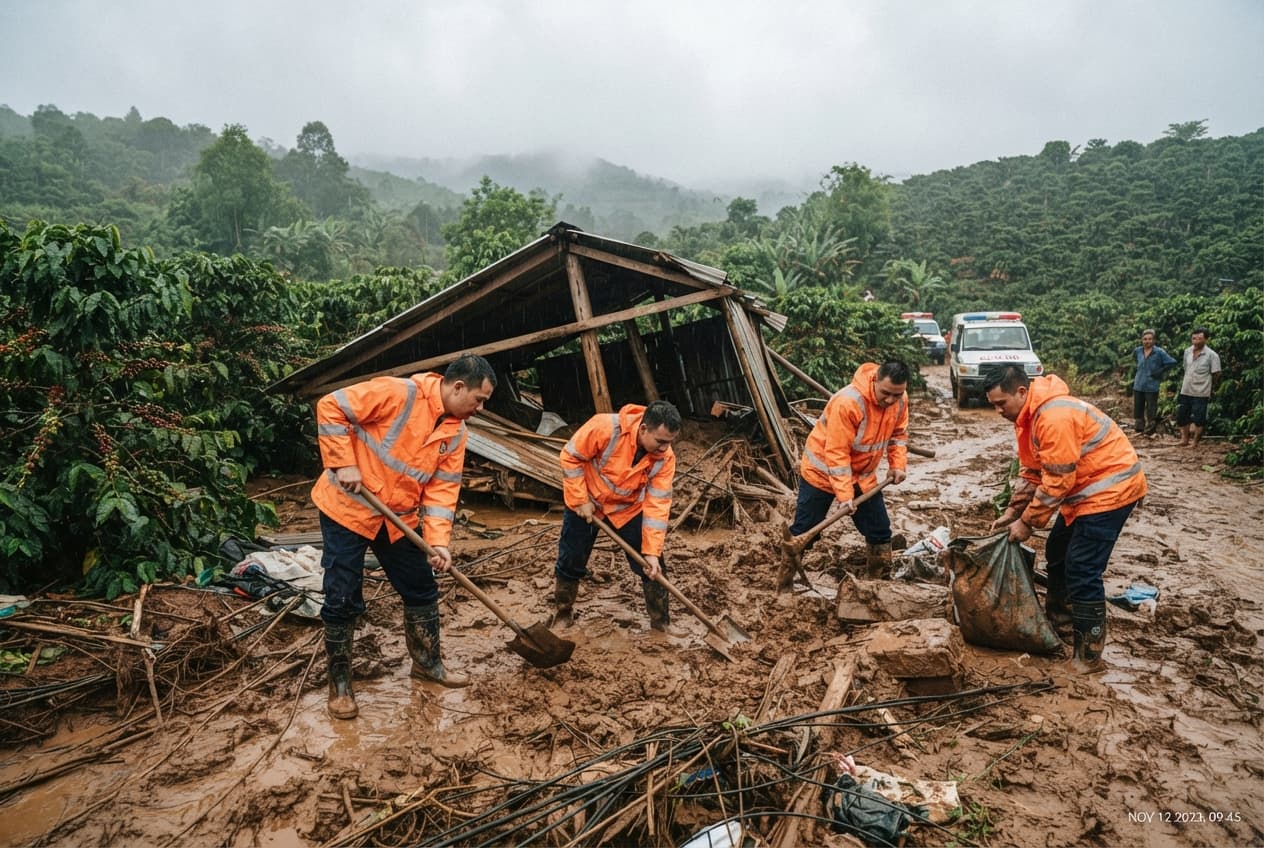
There is always a tension in coastal economies — the beautiful image they sell, and the unpredictable Atlantic reality they live with. Jamaica is feeling that pressure in real time. The island is still clearing debris, damaged roads, and community infrastructure after Hurricane Melissa, and yet the clock is already ticking toward the tourism season that carries the core of its economic oxygen.
The winter surge is not a casual wave of visitors. It is the revenue lifeline.
So government crews and private operators are doing two things at once: patching, dredging, repainting, relaying sand, and restoring access — while marketing teams are simultaneously selling serenity to travelers who might not realize how recently the beaches were hammered by a storm.
The emotional dissonance is real. But so is the financial necessity.
Jamaica’s economy is deeply tied to visitors escaping the northern cold. And this year, the path to that expectation runs through rapid coastal recovery. Ports, resorts, and travel corridors must appear pristine again. Not perfect — just functionally beautiful.
This is the part of tourism that usually remains invisible: the labor that goes into resetting the stage after nature disrupts the script. And whether the world notices or not, island economies understand the stakes.
A destination can be wounded and hopeful at the same time. Resilience is not a slogan — it’s a deadline.
Published by Banx Network. This article is part of the Banx decentralized media programme, powered by the BXE token on the XRP Ledger.