
Key Highlights
- Iran's nuclear negotiations have stalled, shifting focus to the Strait of Hormuz.
- Disruptions in the Strait can significantly impact global oil markets.
- Analysts warn of potential escalation from military posturing in the region.
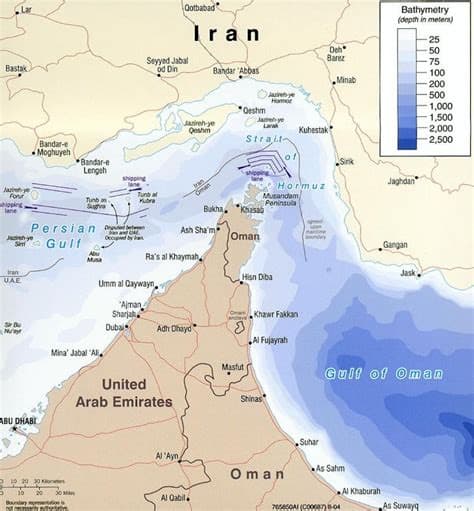
The Strait of Hormuz, a vital maritime passage for global oil shipments, has increasingly become a focal point in the ongoing tensions surrounding Iran's nuclear program. With negotiations over Iran's nuclear ambitions repeatedly stalling, the strategic importance of this narrow waterway has surged, as any disruption to tanker traffic can have immediate and far-reaching consequences on global oil prices and supply chains.
Recent analyses indicate that Iran is leveraging its control over the Strait of Hormuz as a form of deterrence. The strait is a critical chokepoint through which approximately 20% of the world's oil passes. Any military or political maneuvering that threatens the flow of oil through this passage can send shockwaves through international markets, highlighting the economic stakes involved in the region's stability.
Military analysts have pointed out that Iran's strategy may involve a combination of naval monitoring and proxy attacks aimed at signaling resolve to both domestic and international audiences. This tactic not only serves to assert Iran's influence in the region but also raises the stakes for other nations reliant on the strait for energy supplies. The potential for miscalculation is high, as incidents intended to demonstrate strength could escalate into broader conflicts, transforming the Strait of Hormuz from a commercial passage into a battleground.
The geopolitical landscape surrounding the Strait of Hormuz is further complicated by the involvement of various regional and global powers. The United States, for instance, has maintained a naval presence in the area to ensure the free flow of commerce and to deter Iranian aggression. However, this military posture can also provoke retaliatory actions from Iran, leading to a cycle of escalation that could destabilize the entire region.
As the situation evolves, the international community is closely monitoring developments in the Strait of Hormuz. The implications of any significant disruption could extend beyond oil markets, affecting global economic stability and international relations. The interplay between military strategy and economic interests in this critical waterway underscores the complexities of modern geopolitical conflicts.
In conclusion, the Strait of Hormuz has emerged as a pivotal element in the broader narrative of Iran's nuclear negotiations and regional security. As tensions continue to rise, the potential for conflict remains a pressing concern for policymakers and analysts alike, who must navigate the delicate balance between deterrence and diplomacy in this strategically vital area.
Published by Banx Network. This article is part of the Banx decentralized media programme, powered by the BXE token on the XRP Ledger.



