
Key Highlights
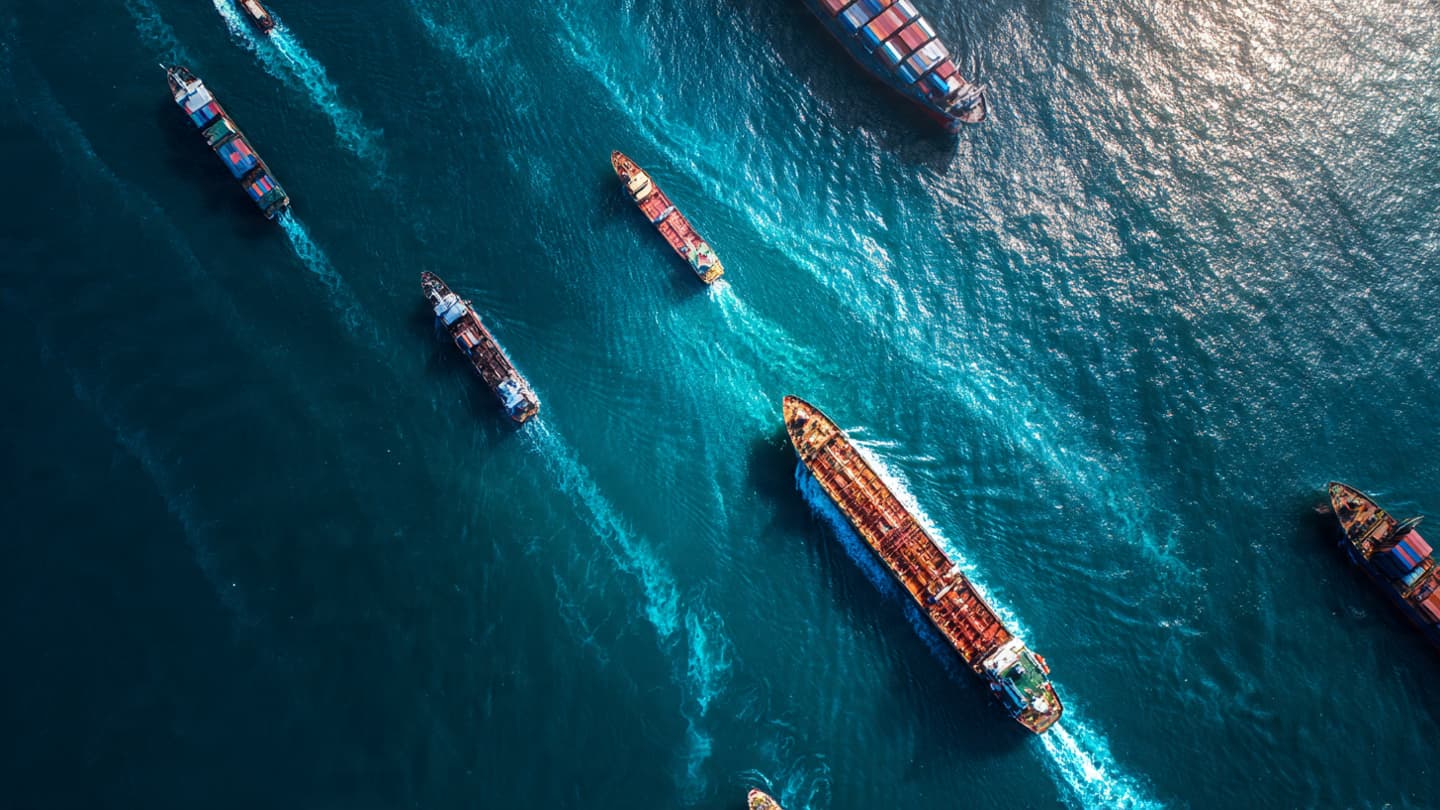
- Increased Traffic:The Strait of Hormuz is witnessing a gradual rise in commercial shipping traffic.
- Global Supply Chains:Analysts view this trend as a positive sign for international trade networks.
- Enhanced Monitoring:Shipping companies are collaborating with maritime organizations to ensure safe navigation.
The Strait of Hormuz, a vital waterway connecting the Persian Gulf to the Arabian Sea, is experiencing a notable increase in commercial shipping traffic. This uptick is being closely monitored by global logistics companies, which are keenly aware of the strategic importance of this corridor for international trade. The Strait serves as a critical passage for energy shipments and commercial cargo, making its operational status crucial for economies worldwide.
As vessel operators navigate the waters, they are focused on maintaining safe navigation while supporting the flow of goods. Enhanced monitoring measures have been implemented to ensure that shipping activities proceed smoothly. This collaborative effort between shipping companies and maritime organizations aims to uphold operational efficiency and safety in the face of increasing traffic.
Analysts are optimistic about the implications of this steady flow of vessels. They believe it signals a recovery and stabilization of global supply chains that have been under pressure in recent years. The consistent shipping activity not only reflects a rebound in maritime transportation but also fosters confidence in international trade networks that rely heavily on these routes.
Current trends suggest that the situation in the Strait of Hormuz is improving, with expectations for continued progress toward more consistent commercial operations. The ongoing observation of shipping patterns will be crucial in understanding the long-term impacts on global trade dynamics.
As the world continues to navigate the complexities of supply chain management, the Strait of Hormuz remains a focal point for maritime activity. The developments in this region will likely have far-reaching consequences for economies that depend on the smooth transit of goods and energy resources.
Published by Banx Network. This article is part of the Banx decentralized media programme, powered by the BXE token on the XRP Ledger.



