
Key Highlights
- Strategic Importance:The Strait of Hormuz is crucial for global energy supplies.
- UN Response:The United Nations is reassessing operational plans due to security concerns.
- Market Impact:Energy markets are reacting cautiously to developments in the region.
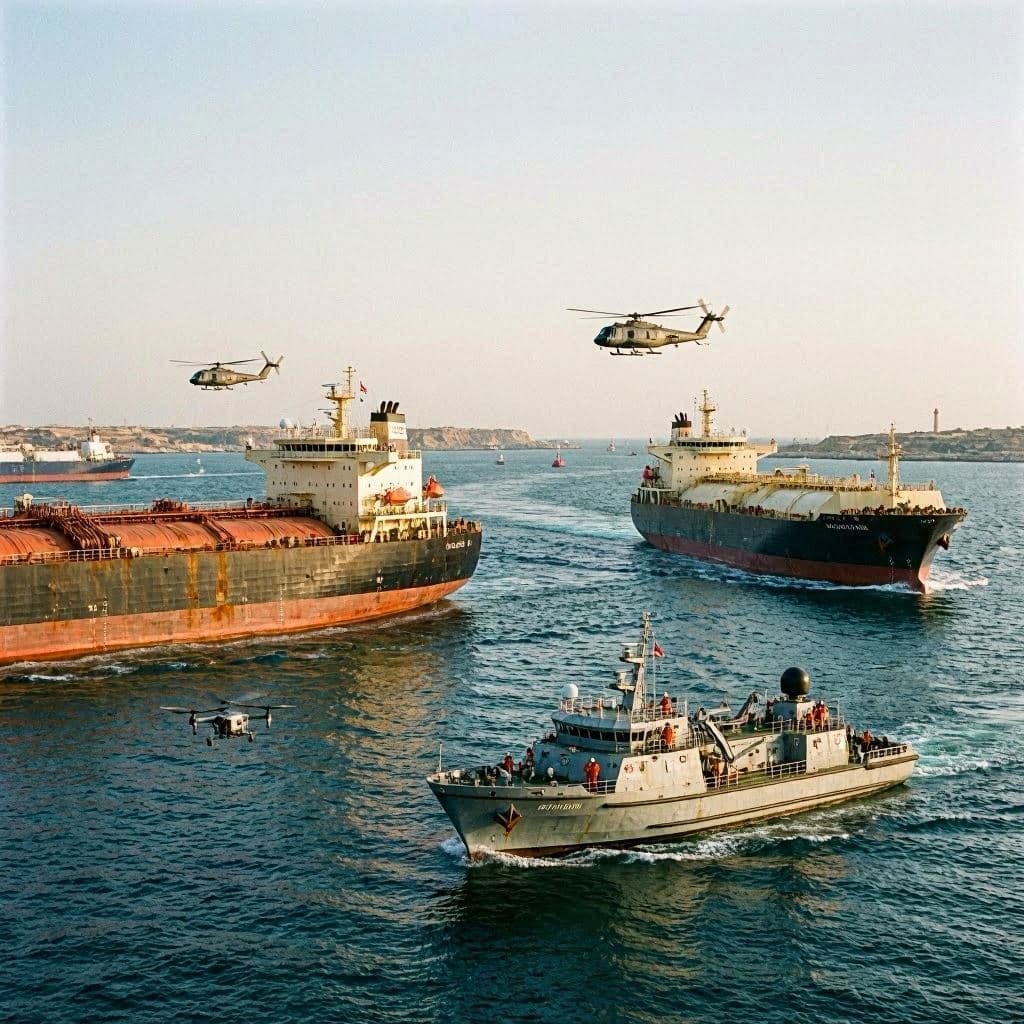
The Strait of Hormuz has long stood as one of the world's most consequential maritime corridors, a narrow passage through which vast volumes of global energy supplies travel each day. In moments of geopolitical tension, this stretch of water often becomes more than a trade route; it transforms into a symbol of how interconnected the modern world has become.
Recent security concerns in and around the Strait of Hormuz prompted the United Nations to reassess several operational plans, including previously considered evacuation measures for personnel in the region. The organization stated that evolving security conditions required additional evaluation before proceeding with certain contingency arrangements. This decision underscores the ongoing volatility in the region and the potential implications for international shipping and energy markets.
The UN's reassessment follows reports of incidents affecting maritime activity in nearby waters. Although commercial shipping has largely continued, heightened vigilance among international shipping companies and regional authorities has become increasingly visible. Experts emphasize that the Strait of Hormuz remains strategically significant because a substantial portion of the world's oil and liquefied natural gas exports passes through the waterway. Any perceived threat to safe navigation can quickly influence international markets and diplomatic discussions.
Regional governments have emphasized the importance of maintaining freedom of navigation and preventing escalation. Naval patrols from multiple countries continue operating in surrounding waters to support maritime security and reassure commercial operators. This collaborative effort aims to deter potential threats and ensure the safe passage of vessels through this critical chokepoint.
Energy markets have reacted cautiously to developments, with analysts closely monitoring official statements and shipping patterns. Even temporary disruptions in the region can contribute to price volatility and uncertainty across global commodity markets. The interconnectedness of global supply chains means that any instability in the Strait of Hormuz can have far-reaching consequences, affecting not just regional economies but also global energy prices.
For now, the United Nations has indicated that it will continue reviewing conditions before making further operational decisions. Diplomatic engagement among regional and international stakeholders remains ongoing as efforts continue to preserve stability in one of the world's most strategically important waterways. The situation remains fluid, and stakeholders are urged to remain vigilant as developments unfold.
Published by Banx Network. This article is part of the Banx decentralized media programme, powered by the BXE token on the XRP Ledger.



