
Key Highlights
- Incident:A Chinese oil tanker was attacked in the Strait of Hormuz.
- Significance:The strait is a critical route for global oil shipments.
- Response:Calls for investigation and increased maritime security measures.
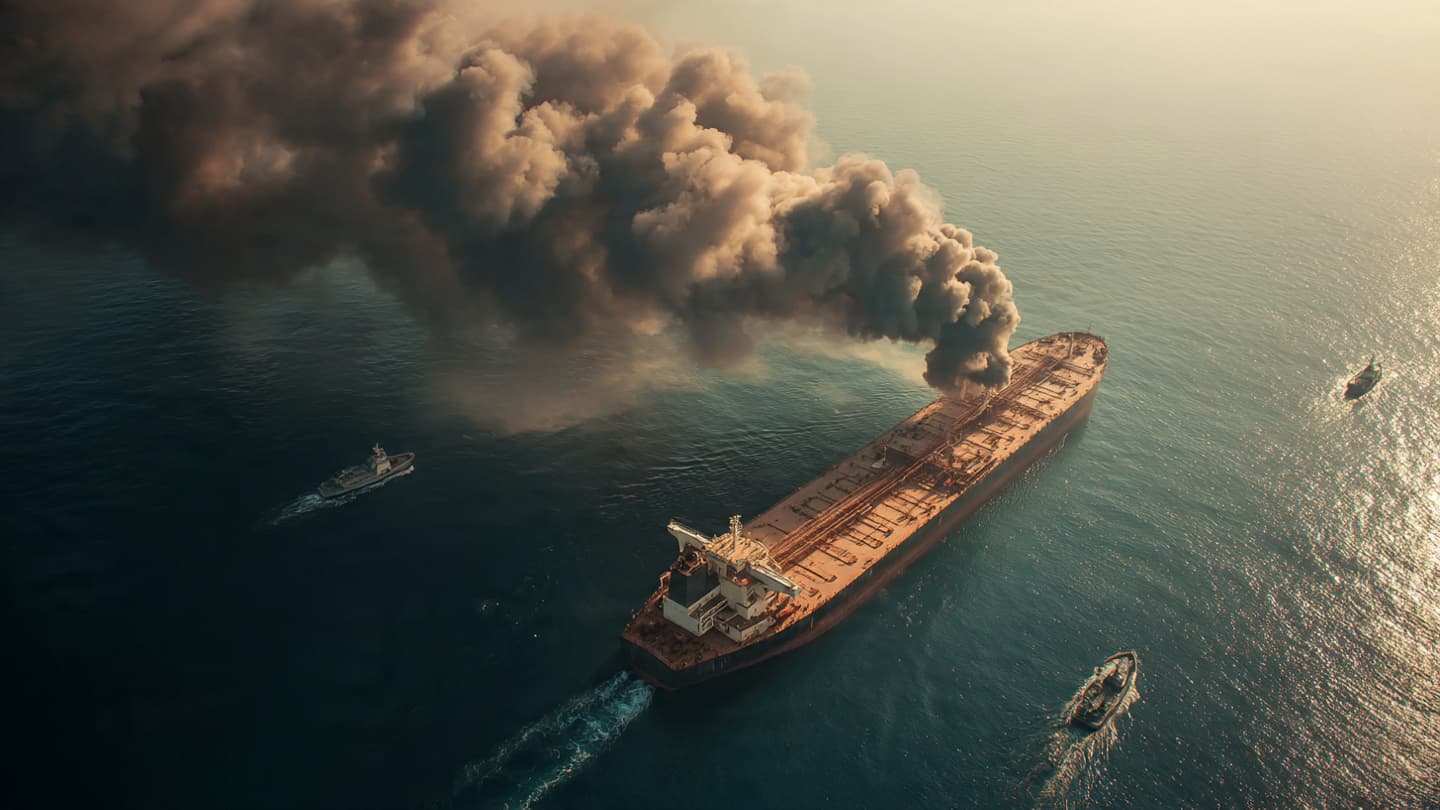
The sea has long carried more than cargo. Across centuries, narrow waterways have also transported anxiety, diplomacy, and the fragile balance of global commerce. In the Strait of Hormuz, where much of the world’s energy supply passes each day, those tensions surfaced again after reports that a Chinese oil tanker came under attack during heightened regional instability.
According to maritime security sources, the tanker experienced an assault while navigating through the strategic shipping corridor linking the Persian Gulf to international markets. Initial reports indicated that the vessel sustained damage following what appeared to be a coordinated strike involving explosive devices or armed drones. The incident has raised alarms about the safety of maritime routes crucial for global energy supplies.
The Strait of Hormuz remains one of the most sensitive maritime routes in the world. Roughly a fifth of global oil shipments travel through its narrow waters, making any disruption there significant not only for regional actors but also for energy markets worldwide. Even isolated incidents can influence shipping insurance costs, fuel prices, and diplomatic relations. The recent attack underscores the precarious nature of maritime security in this vital corridor.
Chinese authorities have called for a full investigation into the attack while emphasizing the importance of maintaining freedom of navigation and maritime security. Beijing has increasingly expanded its economic presence across the Middle East through energy partnerships and infrastructure investments, making regional stability particularly important for its long-term interests. The Chinese government’s response will likely reflect its broader strategy in the region, where it seeks to protect its investments and ensure the safety of its shipping lanes.
Maritime analysts noted that commercial vessels operating in the Gulf region have faced growing risks amid recent tensions involving Iran, the United States, and allied naval forces. Shipping companies have responded by adjusting routes, increasing security measures, and coordinating more closely with international naval patrols. This proactive approach aims to mitigate risks associated with navigating through potentially hostile waters.
The incident also drew concern from global energy traders who continue monitoring developments in the region carefully. Oil markets often react quickly to threats in the Strait of Hormuz because even temporary disruptions can affect supply expectations across Asia, Europe, and North America. Traders are acutely aware that any escalation in tensions could lead to significant price fluctuations, impacting economies worldwide.
Regional governments, meanwhile, urged restraint and emphasized the need to avoid further escalation. Several international organizations involved in maritime security called for greater cooperation to ensure civilian shipping routes remain protected despite ongoing geopolitical disputes. The collective response from these entities highlights the importance of maintaining open and secure trade routes in the face of rising tensions.
For crews aboard commercial vessels, however, geopolitical conflict often arrives not through speeches or negotiations, but through moments of sudden danger in otherwise routine voyages. The attack served as another reminder of how closely global trade remains tied to stability along narrow maritime passages. Investigations into the tanker attack are continuing, while naval authorities from several countries maintain heightened patrols across the Strait of Hormuz to safeguard commercial shipping activity.
Published by Banx Network. This article is part of the Banx decentralized media programme, powered by the BXE token on the XRP Ledger.



