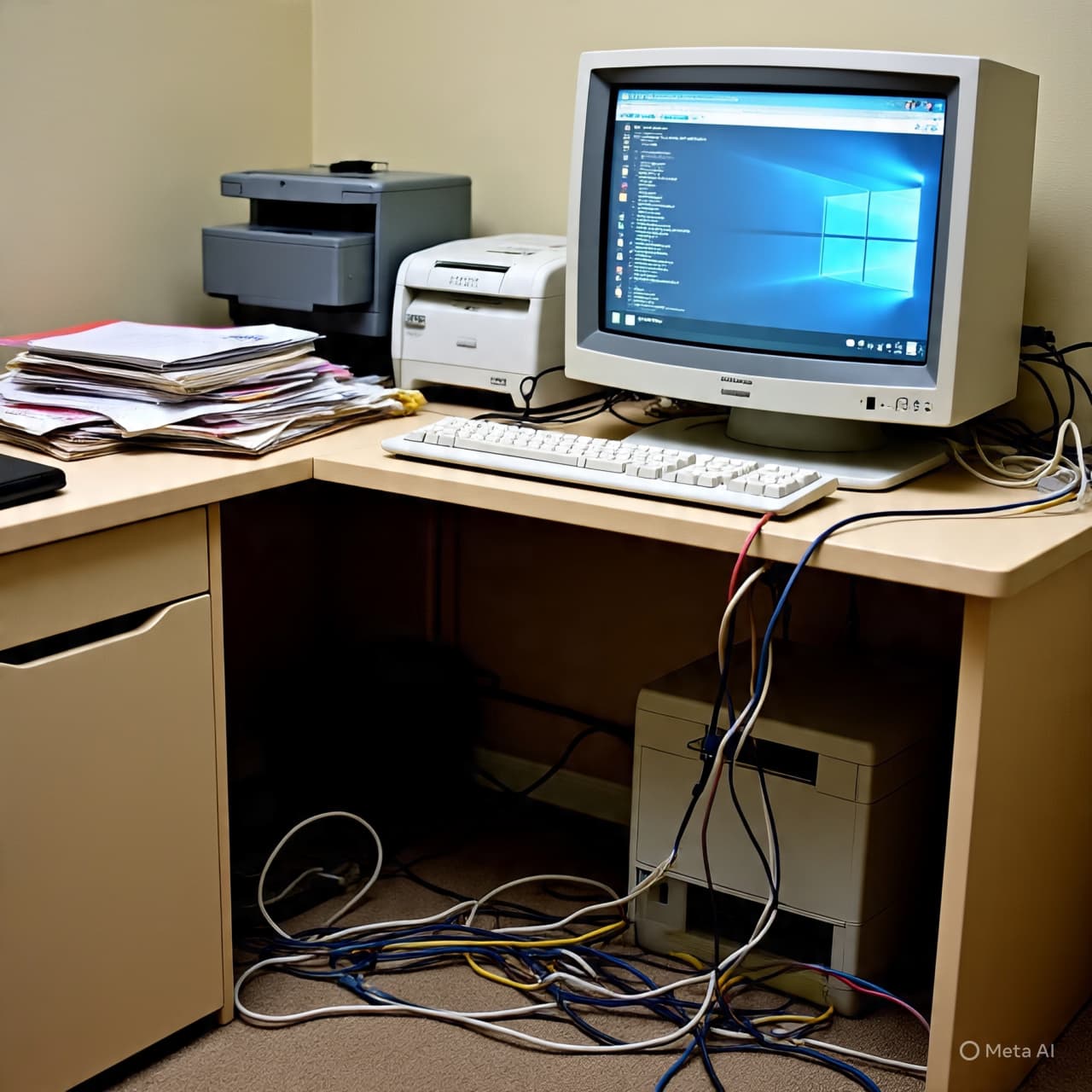
In the mid-1990s, personal computing was rapidly expanding, and with it came a growing problem. Users found themselves tangled in a web of serial and parallel cables, each serving a single device, often incompatible and frustrating to manage. The arrival of the Universal Serial Bus, better known as USB, promised a simple, standardized way to connect keyboards, mice, printers, and storage devices. Yet, as technology adopted USB at a remarkable pace, another issue emerged: computers often lacked enough ports to handle all the devices people wanted to plug in at once.
This challenge gave rise to the USB hub, a small device that would quietly transform the way people interact with their machines. The idea was straightforward: take a single USB port and multiply it into several, allowing multiple devices to operate simultaneously. What began as a utility accessory soon became a necessity for both office and home use. From the earliest models, often bulky and limited in speed, hubs quickly evolved into compact, reliable tools that kept up with the growing demand for connectivity.
The first USB hubs were primarily powered through the computer’s port, handling low-energy devices like mice and keyboards. As external hard drives, scanners, and cameras entered the scene, powered hubs emerged, delivering extra electricity to support more demanding hardware. Each new generation of USB brought faster data transfer and greater efficiency, and hubs adapted to these advancements, ensuring compatibility across devices both old and new.
Today, USB hubs are more than simple splitters. They integrate power delivery for charging laptops, serve as docking stations for professionals, and support high-speed data transfer that enables seamless workflows. The once-humble accessory has become an essential bridge between people and their digital environments, reflecting a broader truth about technology: innovation often lies not only in creating something entirely new, but in refining the ways we use what already exists.
The story of the USB hub is a reminder that small, practical inventions can have lasting impact. By solving an everyday problem, it helped computers become the versatile and accessible tools they are today, connecting people to the digital world with a quiet efficiency that often goes unnoticed but is always relied upon.
Published by Banx Network. This article is part of the Banx decentralized media programme, powered by the BXE token on the XRP Ledger.