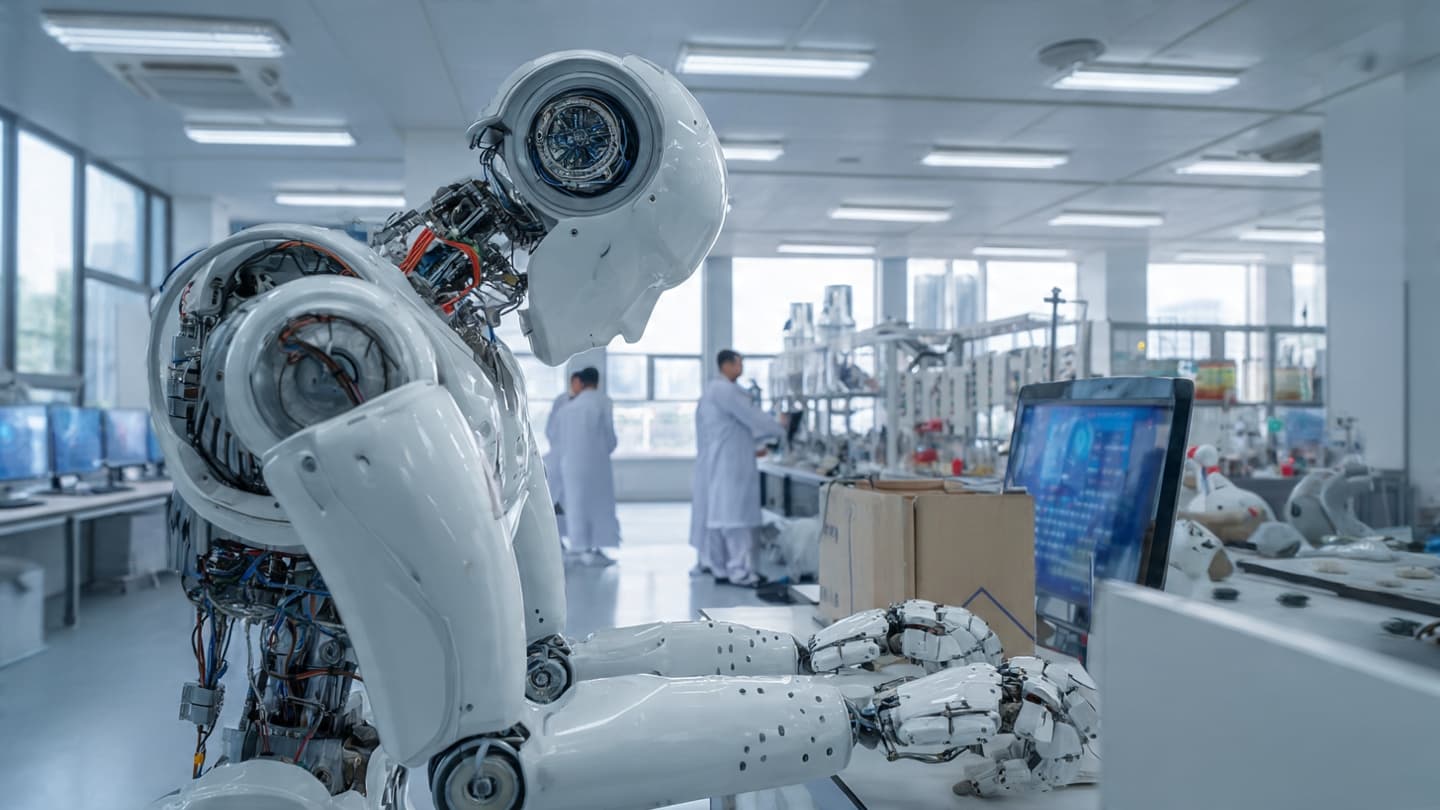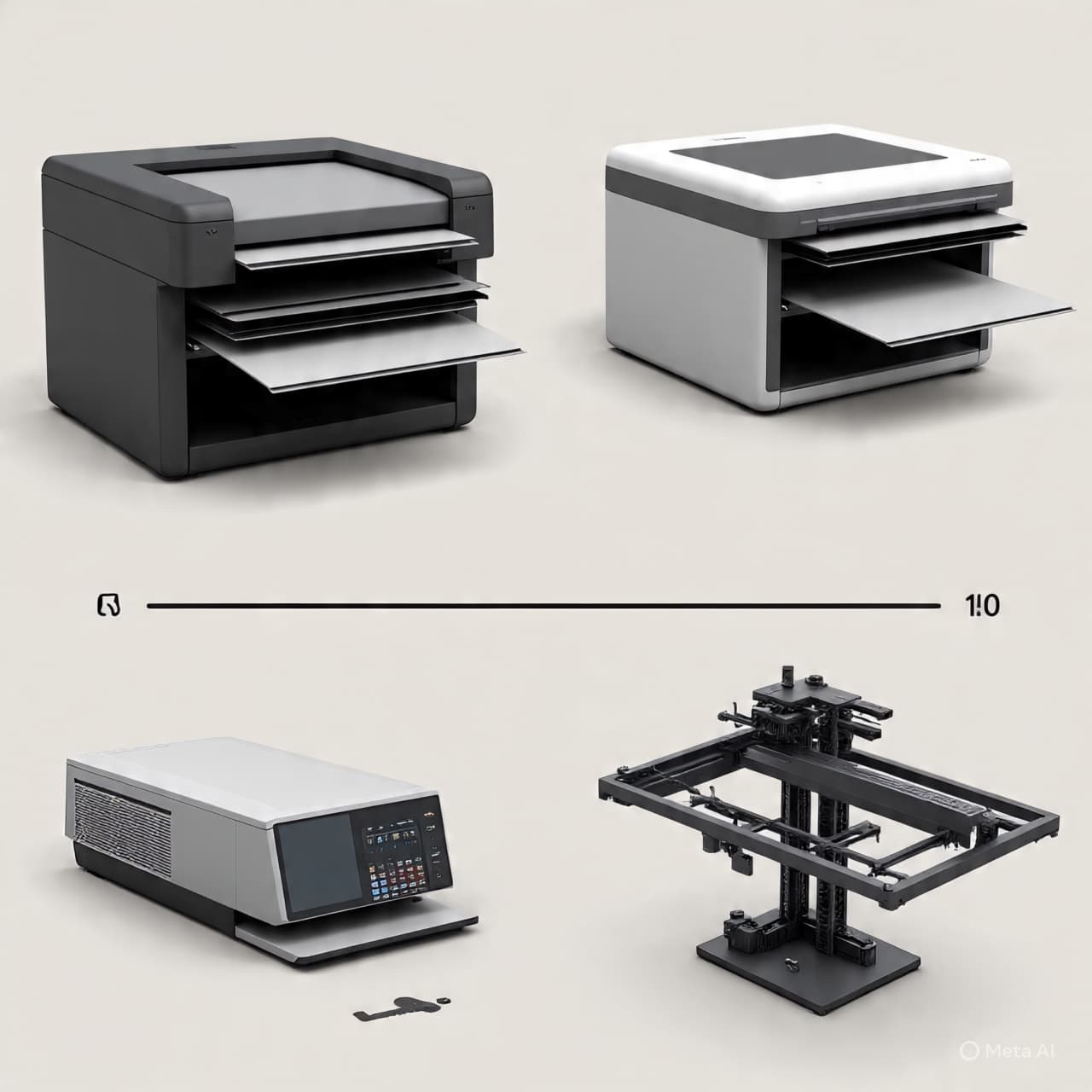
The computer printer, often overlooked in today’s wireless and paperless world, began as a powerful tool that made the digital tangible. In the 1950s and 60s, as computers grew more sophisticated, the demand for physical records rose. Early printers were enormous, noisy machines designed for mainframes, producing reams of text on continuous feed paper.
Dot matrix printers in the 1970s brought printing closer to homes and offices. Their distinct sound—pins striking an ink-soaked ribbon—was the soundtrack of early computing. While slow and not particularly sharp, these machines were reliable and affordable, making them the first widespread printing solution for everyday users.
The 1980s and 90s introduced inkjet and laser printers, which transformed the way people thought about printing. Inkjet technology offered crisp images and the ability to print in color, while laser printers delivered speed and professional quality. These devices helped expand personal computing into creative fields, business, and education.
As the 2000s unfolded, printers added new capabilities: scanners.
Published by Banx Network. This article is part of the Banx decentralized media programme, powered by the BXE token on the XRP Ledger.