Typhoons never announce themselves in poetic language. They arrive like a verdict.
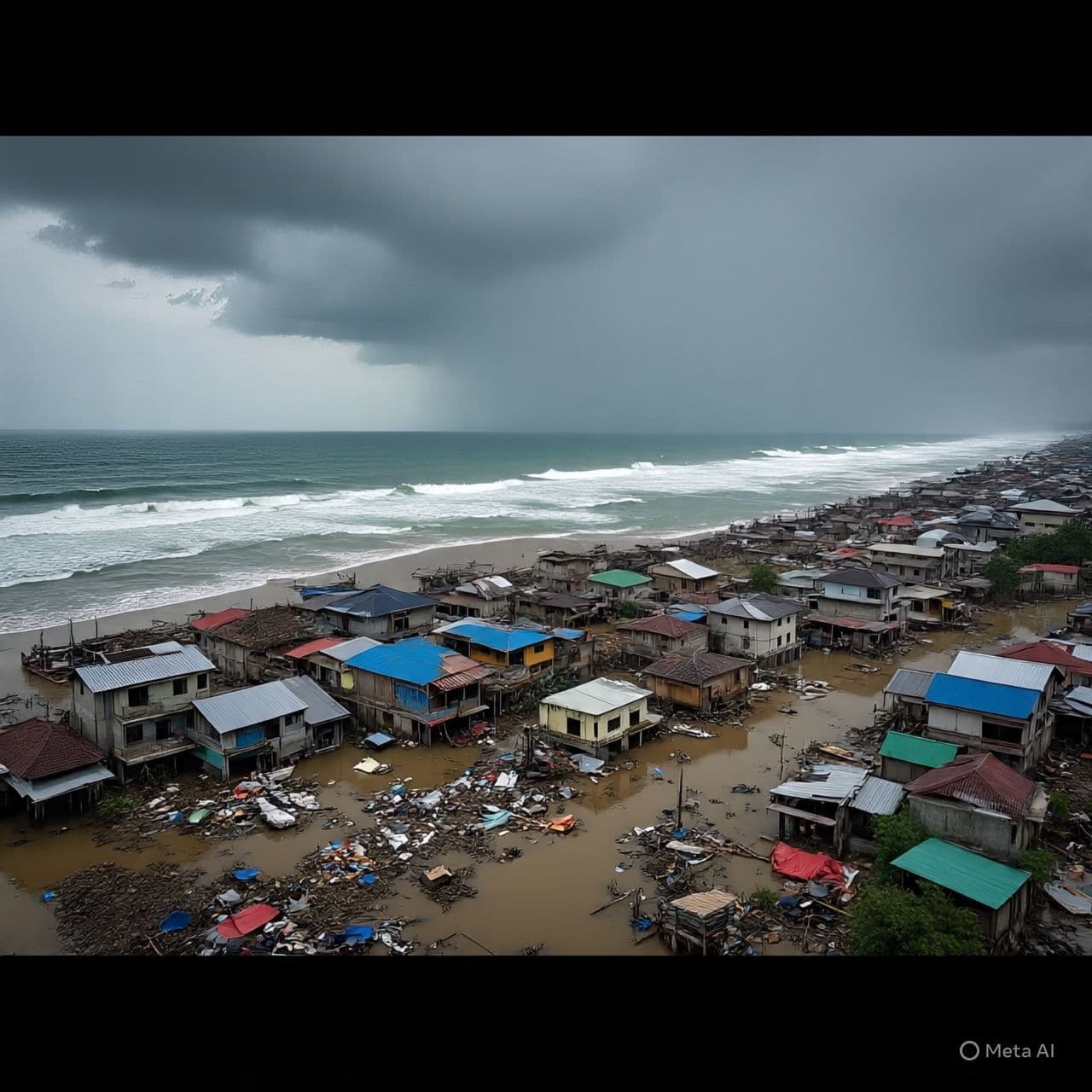
And the Philippines is once again facing the aftermath of a tropical system that moved with surgical violence — leaving more than 85 people dead, destroying homes, rupturing bridges, smothering roads, and sending entire provinces into blackouts and isolation.
Every year, this archipelago repeats the same brutal conversation with the Pacific. The coastline is both blessing and curse. The ocean feeds livelihoods, connects islands, defines identity — and, routinely, shows its sharpest edges.
Yet the present tragedy is not just meteorology. It is about power lines that cannot withstand wind speeds, evacuation plans that collapse under stress, and public budgets that stretch thinner and thinner.
Communities are mourning. Crews are clearing debris. Officials are estimating the rebuild. And families — the ones who lost someone — are quietly trying to convert shock into something like acceptance.
Outside observers sometimes treat these catastrophes as climate math. But inside the country, this is lived reality: children sleeping in gymnasiums with tarps for walls, neighbors sharing batteries for radios, food queues forming before daybreak.
The Philippines is not inexperienced. It is resilient. But resilience is not an endless resource. It is an ongoing debt that must be paid with time, money, and emotional stamina — again and again.
This storm will be replaced by the next storm, and then the next. But there is a point where even strong societies need calmer years — not to rest, but to recover.
The ocean will not provide that mercy. So the country must build it.
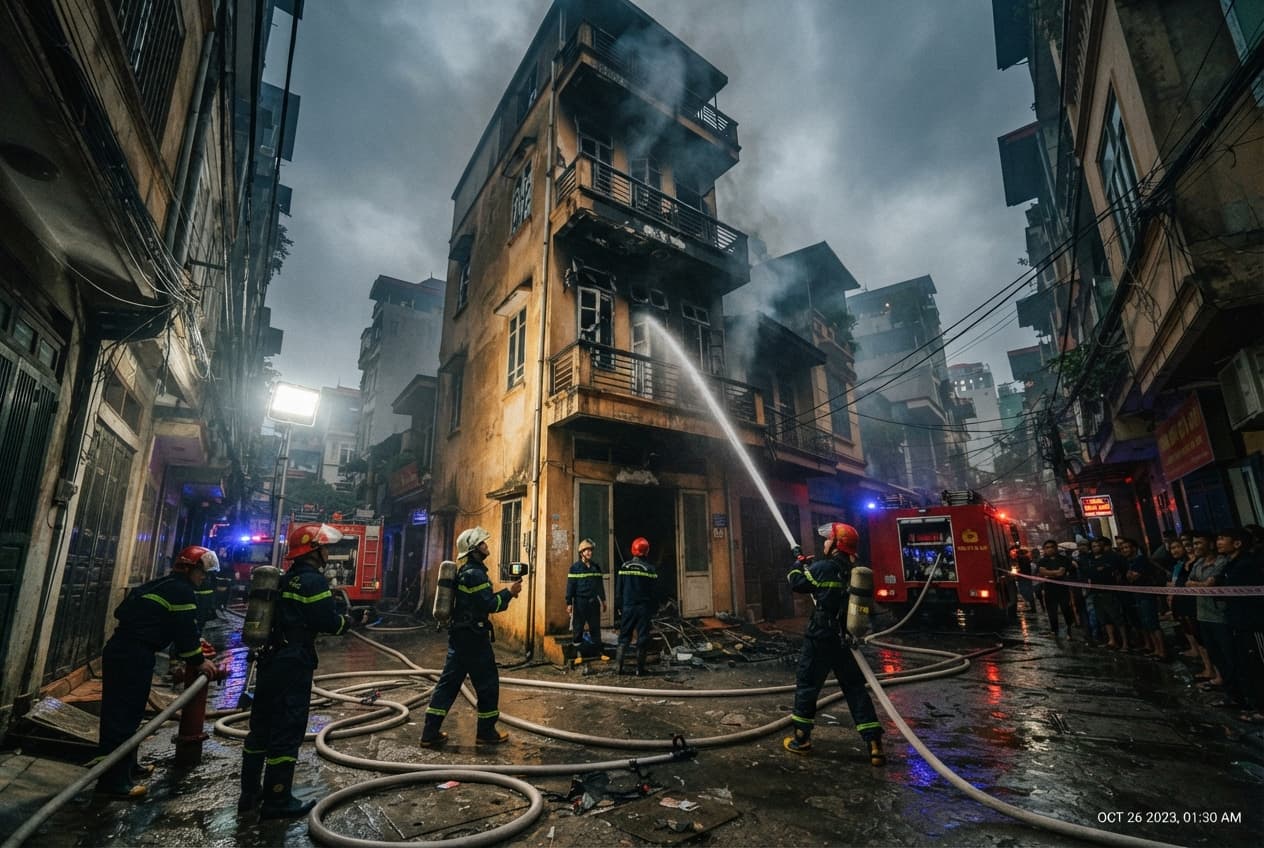
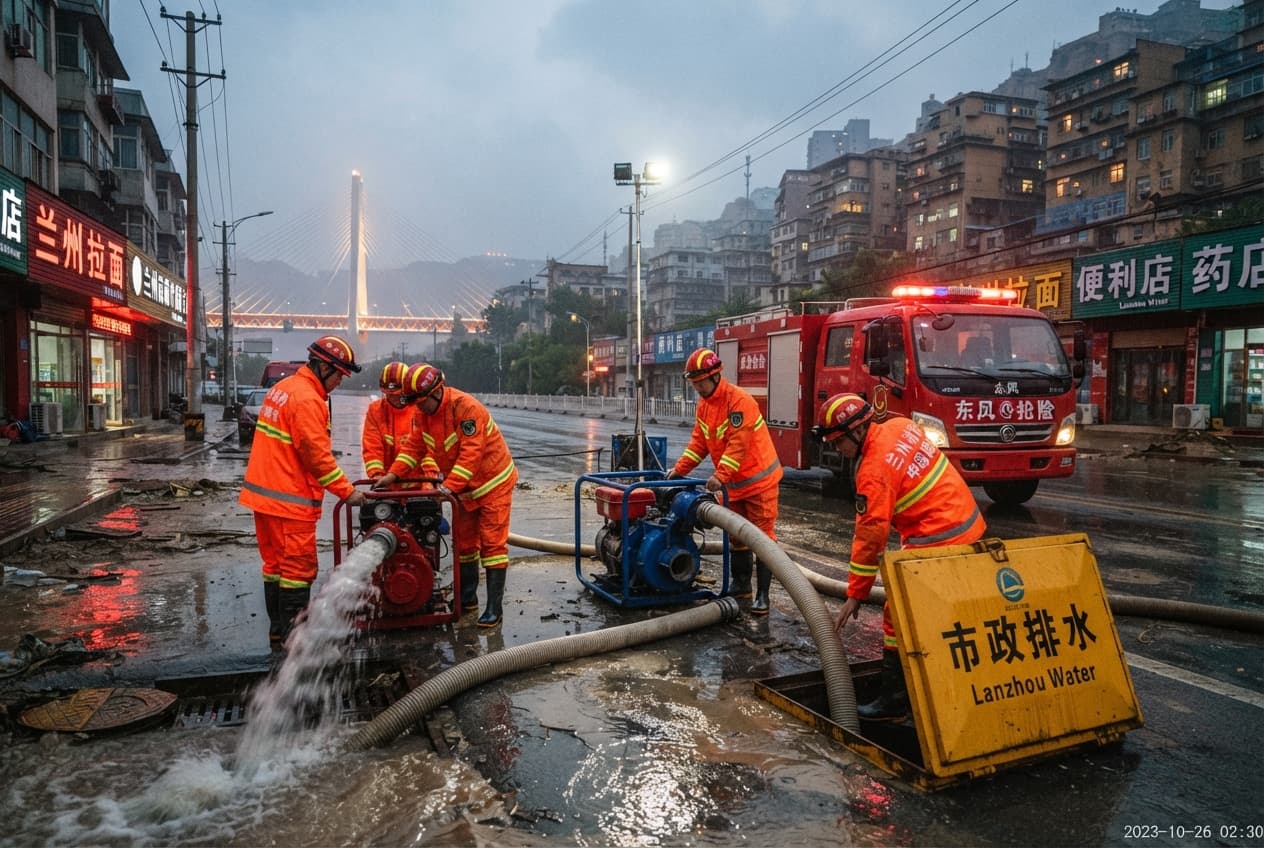
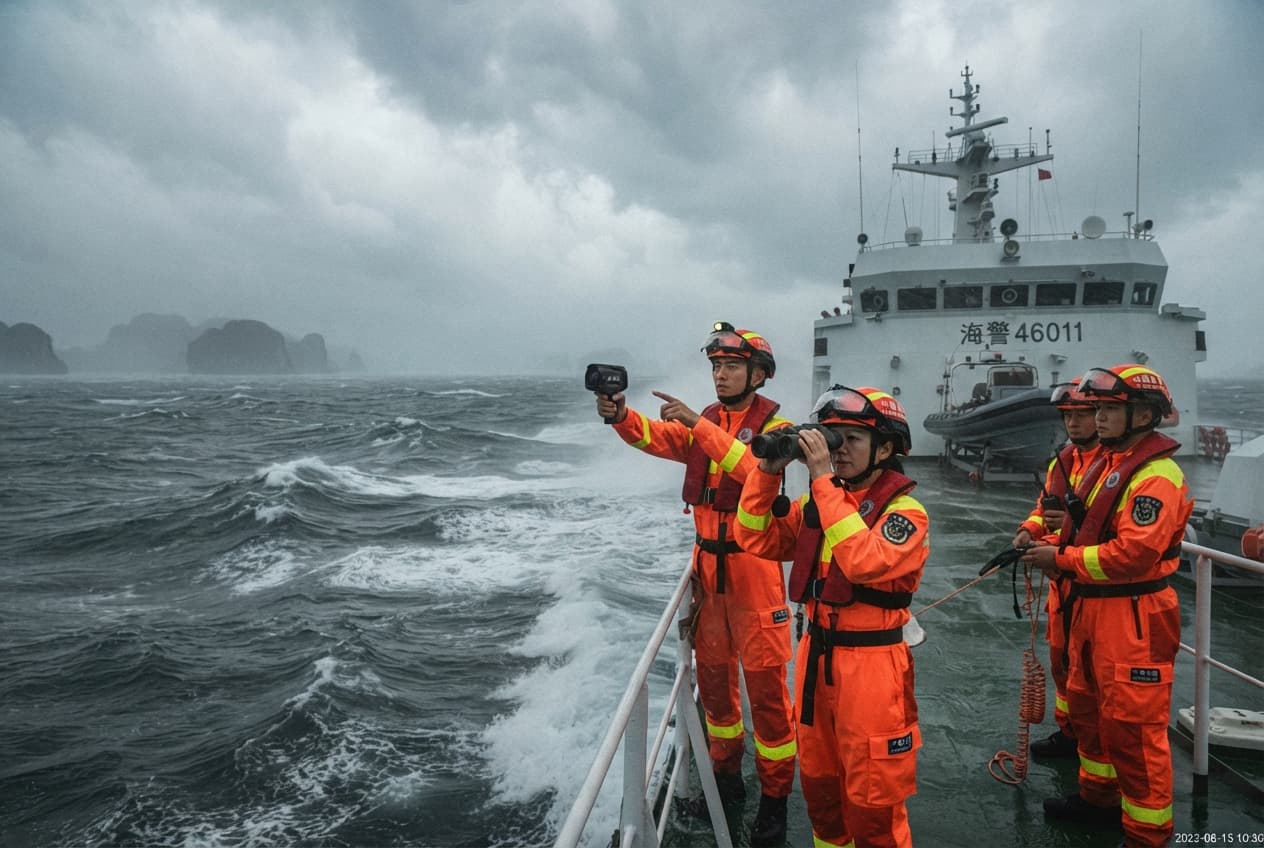
AI IMAGES ARE NOT REAL
Published by Banx Network. This article is part of the Banx decentralized media programme, powered by the BXE token on the XRP Ledger.