
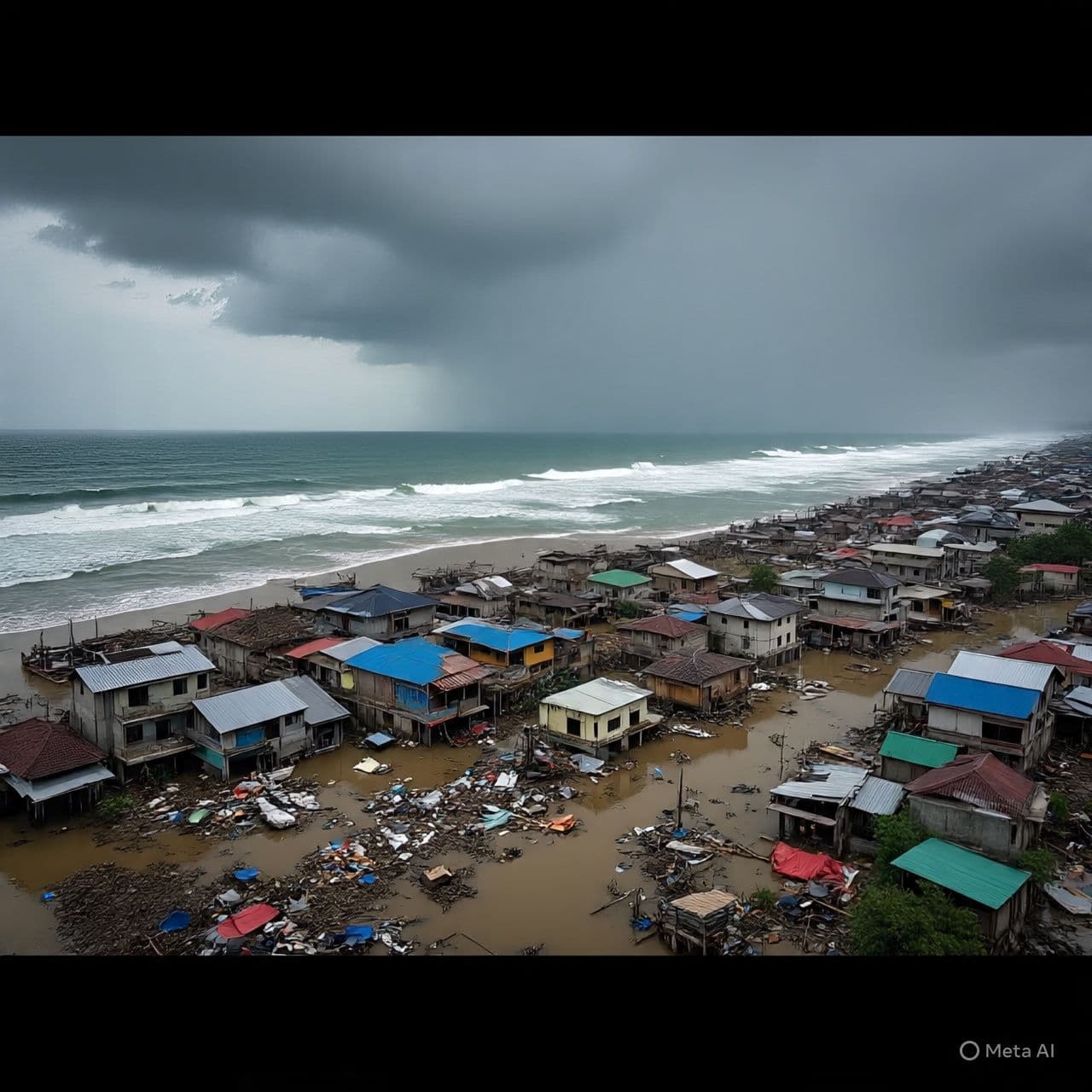
Key Highlights
- Death Toll:Over 85 people confirmed dead due to the recent tropical storm.
- Infrastructure Damage:Homes destroyed, bridges ruptured, and widespread blackouts reported.
- Community Resilience:Despite the devastation, local communities are banding together to recover.
The Philippines is once again reeling from the impact of a tropical storm that has wreaked havoc across the archipelago. With more than 85 lives lost and countless homes destroyed, the nation faces a daunting recovery process. The storm's violent winds and torrential rains have left entire provinces isolated, with power lines downed and roads rendered impassable.
Every year, the Philippines engages in a brutal dialogue with the Pacific Ocean, which serves as both a source of sustenance and a harbinger of destruction. The coastline, while integral to the nation's identity and economy, often reveals its darker side during typhoon season. This latest storm is a stark reminder of the vulnerabilities that come with living in such a geographically dynamic region.
However, the tragedy extends beyond the meteorological. It highlights systemic issues such as inadequate infrastructure that cannot withstand extreme weather events, evacuation plans that falter under pressure, and public budgets that are increasingly strained. As communities mourn their losses, they also grapple with the reality of rebuilding in the face of recurring disasters.
In the aftermath, local crews are tirelessly working to clear debris, while officials assess the damage and estimate the costs of recovery. Families who have lost loved ones are left to navigate their grief in silence, seeking solace in a community that understands their pain. Outside observers may view these events through a lens of statistics and climate data, but for those affected, it is a deeply personal experience.
Children are forced to sleep in gymnasiums, surrounded by makeshift walls of tarps, while neighbors share batteries for radios to stay informed. Food queues form before dawn as families struggle to secure basic necessities. The resilience of the Filipino people is commendable, yet it is crucial to recognize that resilience is not an infinite resource. It requires time, financial investment, and emotional fortitude to recover from such repeated trauma.
As the nation faces this latest storm, it is clear that the cycle of destruction will continue. Each storm brings with it the potential for devastation, and the Philippines must find ways to build a buffer against these natural disasters. The ocean may not offer mercy, but the country must cultivate its own resilience through infrastructure improvements, community support, and sustainable practices.
In conclusion, the Philippines stands at a crossroads, where the need for recovery and preparation for future storms must be balanced. The ongoing dialogue with nature is one that demands respect, understanding, and proactive measures to safeguard the lives and livelihoods of its people.
Published by Banx Network. This article is part of the Banx decentralized media programme, powered by the BXE token on the XRP Ledger.



