
Key Highlights
- Artifact Background:The ring of King Sigismund the Old was lost during WWII.
- Ongoing Claims:Poland is actively pursuing the return of the ring.
- Cultural Significance:The ring symbolizes Poland's royal heritage and national identity.
The story of the ring of Polish King Sigismund the Old, an exquisite artifact lost during the turmoil of World War II, continues to resonate as discussions about art restitution gain momentum. This ring, emblematic of Poland's royal heritage, was seized by German soldiers during the conflict and has yet to be returned.
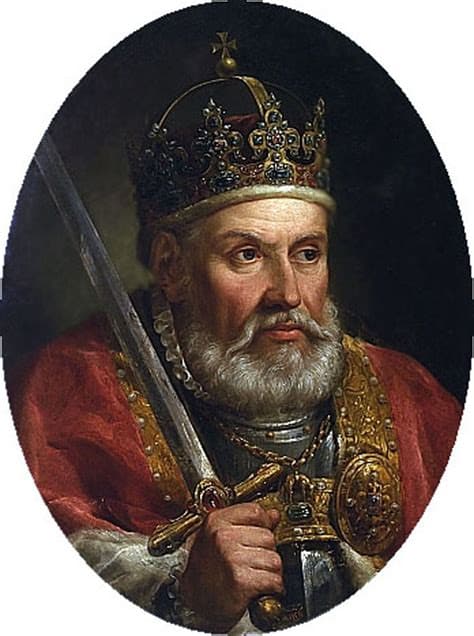
Sigismund the Old, who ruled Poland from 1506 to 1548, was known for his patronage of the arts and culture, with the ring serving as a significant symbol of his reign and Poland’s rich history. During WWII, many cultural treasures were taken from occupied territories, with numerous artifacts ending up in German collections. The ring is one such artifact, now residing in a German institution, where it remains despite Poland's ongoing claims for its return.
The situation surrounding the ring reflects broader issues of looted art and the ethical responsibilities of nations to return cultural property to its rightful owners. Poland has been actively pursuing the return of various stolen artifacts, including the ring, viewing these efforts as crucial to reclaiming national identity and history. The Polish government has made formal requests to German authorities, emphasizing the importance of returning cultural heritage items to their countries of origin.
Complicating matters, discussions about the ring's return have often been entangled with historical grievances and the legacy of WWII. While there is considerable support within Poland for recovering lost cultural heritage, the path to restitution is fraught with legal and diplomatic challenges. The complexities of international law regarding art restitution often hinder progress, as nations navigate the intricacies of ownership and provenance.
This case exemplifies the ongoing struggle for countries to reclaim their lost treasures, highlighting the importance of international cooperation in addressing the legacies of wartime looting. As dialogues continue, the fate of the ring remains uncertain, poised at the intersection of history, morality, and national pride. The Polish public and cultural institutions are increasingly vocal about their desire to see the ring returned, viewing it as a matter of justice and national dignity.
The story of King Sigismund's ring serves as a poignant reminder of the broader implications of cultural heritage, identity, and the need for reconciliation in a post-war context. As efforts for restitution evolve, the fate of this artifact may play a crucial role in shaping future conversations about justice and heritage in the aftermath of conflict. The ongoing discussions surrounding the ring not only reflect Poland's historical narrative but also resonate with similar movements worldwide, advocating for the return of looted cultural property.
Published by Banx Network. This article is part of the Banx decentralized media programme, powered by the BXE token on the XRP Ledger.



