
Key Highlights
- Inflation in Greece has stabilized as of Q2 2026.
- Consumers are increasingly favoring local and artisanal products.
- Economic recovery reflects a cultural reconnection with traditional goods.
The economic landscape of Greece is witnessing a notable transformation as inflation rates stabilize, marking a significant shift in consumer behavior. As of the second quarter of 2026, inflation has reached a point of relative stillness, allowing the Greek populace to breathe a sigh of relief after years of economic turbulence. This stabilization is not merely a statistical anomaly; it represents a deeper cultural shift towards local consumption and artisanal goods.
In recent months, the frantic energy of rising costs has begun to ebb, replaced by a more deliberate rhythm in marketplaces across the country. The once sharp winds of inflation that rattled households have calmed, revealing a clearer picture of consumer life. This moment of economic inhalation allows citizens to reassess their purchasing habits, leading to a renewed appreciation for locally produced items.
The Greek consumer is increasingly becoming a curator of their own needs, prioritizing quality over quantity. This shift is not just a financial strategy; it reflects a cultural reconnection with the local economy. As people seek out artisanal products, they are supporting small workshops and family-owned businesses that have long been the backbone of Greece's identity. This trend signifies a move away from mass-produced goods towards a more intimate form of commerce that values craftsmanship and sustainability.
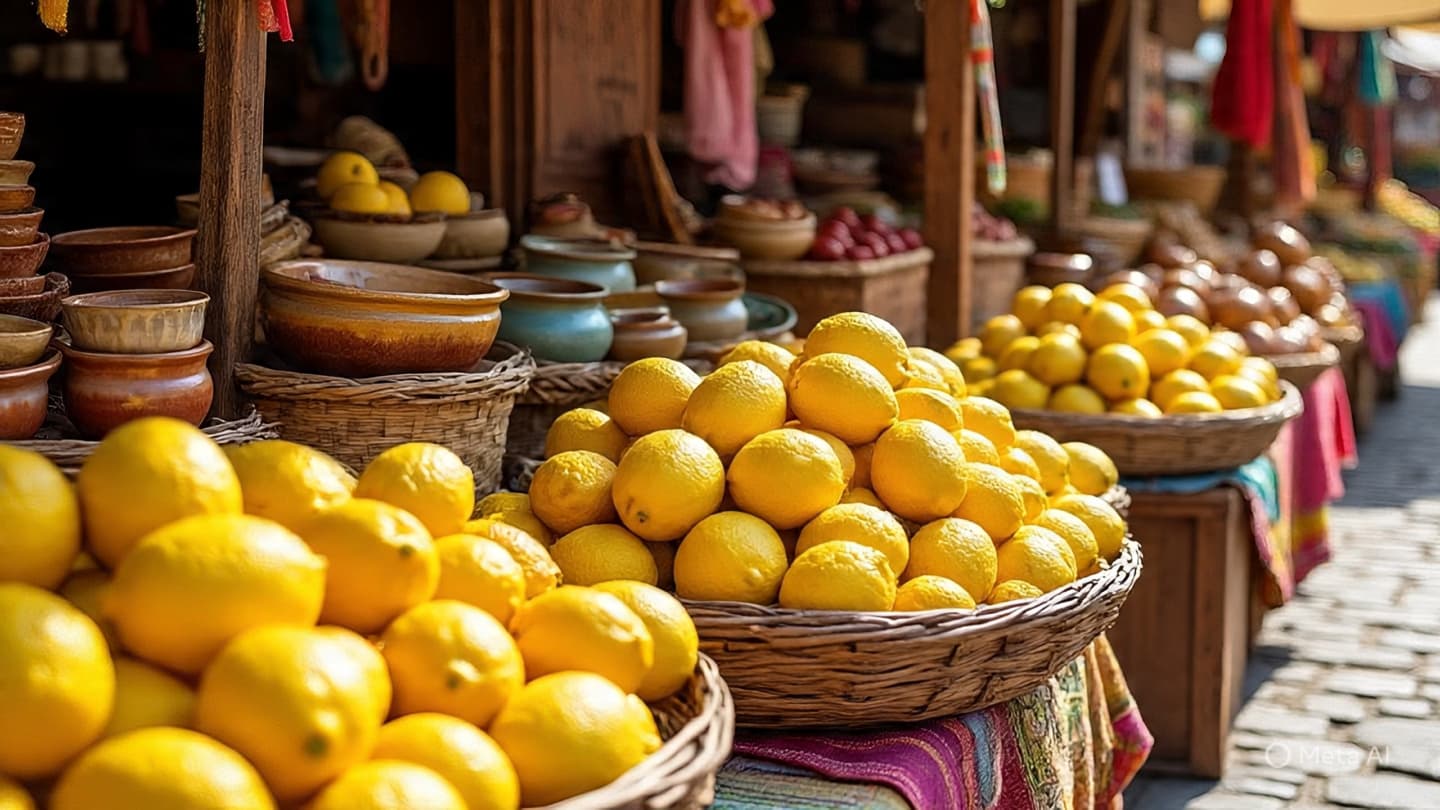
In the vibrant open-air markets and quaint boutiques, conversations have shifted from survival to selection. The anxiety surrounding the prices of essential goods like bread and oil has diminished, allowing consumers to invest in items that last. This newfound stability fosters a sense of community and encourages a focus on the stories behind the products, enriching the consumer experience.
As the sun sets over the bustling Varvakios Market, the atmosphere reflects a hard-won sense of order. Economic data may present percentages and indices, but the true essence of this stabilization is found in the calm interactions between shopkeepers and buyers. This landscape is characterized by a balance between earnings and expenditures, suggesting a more sustainable approach to economic growth.
Looking ahead, this period of stability lays the groundwork for a resilient economy less susceptible to global fluctuations. By prioritizing local and artisanal goods, Greece is not only nurturing its economy but also fostering a cultural renaissance that values the stories behind each product. This quiet revolution in consumer behavior highlights a collective desire for sustainability and a deeper connection to the local community.
Experts note that the increase in purchases of domestically produced goods reflects a broader trend towards sustainable consumption. As consumers embrace this shift, they are not only supporting local economies but also redefining the value of goods based on their origins and craftsmanship. This cultural reconnection is poised to shape the future of Greece's economic landscape, promoting a more resilient and sustainable marketplace.
Published by Banx Network. This article is part of the Banx decentralized media programme, powered by the BXE token on the XRP Ledger.



