The Caribbean has seen tempests before — but few spiral with the swift fury of Hurricane Melissa. What began as a swirling depression east of the Windward Islands has now strengthened into a Category 4 hurricane, carrying winds of nearly 220 kilometers per hour, its eye expanding and tightening as if nature itself were holding its breath.
Meteorologists from the National Hurricane Center (NHC) warn that Melissa’s track positions it perilously close to Jamaica and Haiti, two nations bound by proximity yet separated by fragile coastlines and uneven resilience. Rainfall projections have already turned alarming: up to 500 millimeters in some areas, with forecasts of “life-threatening flash floods and landslides”. For island nations whose slopes are carved by rivers and memory, water is both lifeline and undoing.
Satellite imagery on Sunday revealed a storm that seems almost architectural — a perfect spiral of violence, its convection towers punching into the upper atmosphere. But what satellite pictures cannot show is the human stillness beneath: fishermen hauling boats inland, families boarding windows, the low thrum of diesel generators warming to life. Jamaica’s Office of Disaster Preparedness has ordered coastal evacuations in low-lying parishes, while Haiti — still reeling from infrastructural fragility and seasonal outbreaks of disease — braces for a deluge it can ill afford.
The Caribbean’s storm calendar grows longer each decade. Ocean temperatures are at record highs this year, feeding hurricanes like fuel poured into a furnace. Scientists caution that warmer waters not only intensify storms like Melissa but also sustain them longer, bending the old patterns of formation and decay. What was once a matter of weather has become a question of endurance — of how many times a coastline can rebuild before memory gives out.
By Monday, the NHC expects Melissa to rake Jamaica’s northern shores before veering toward eastern Cuba and the Bahamas. Whether the storm makes landfall or skims the edge, the impact is certain to be profound: flooding, infrastructure damage, and disrupted power grids. Relief agencies are already coordinating airlifts, recalling the logistical chaos of previous seasons — Irma, Maria, Dorian — storms whose names linger like echoes.
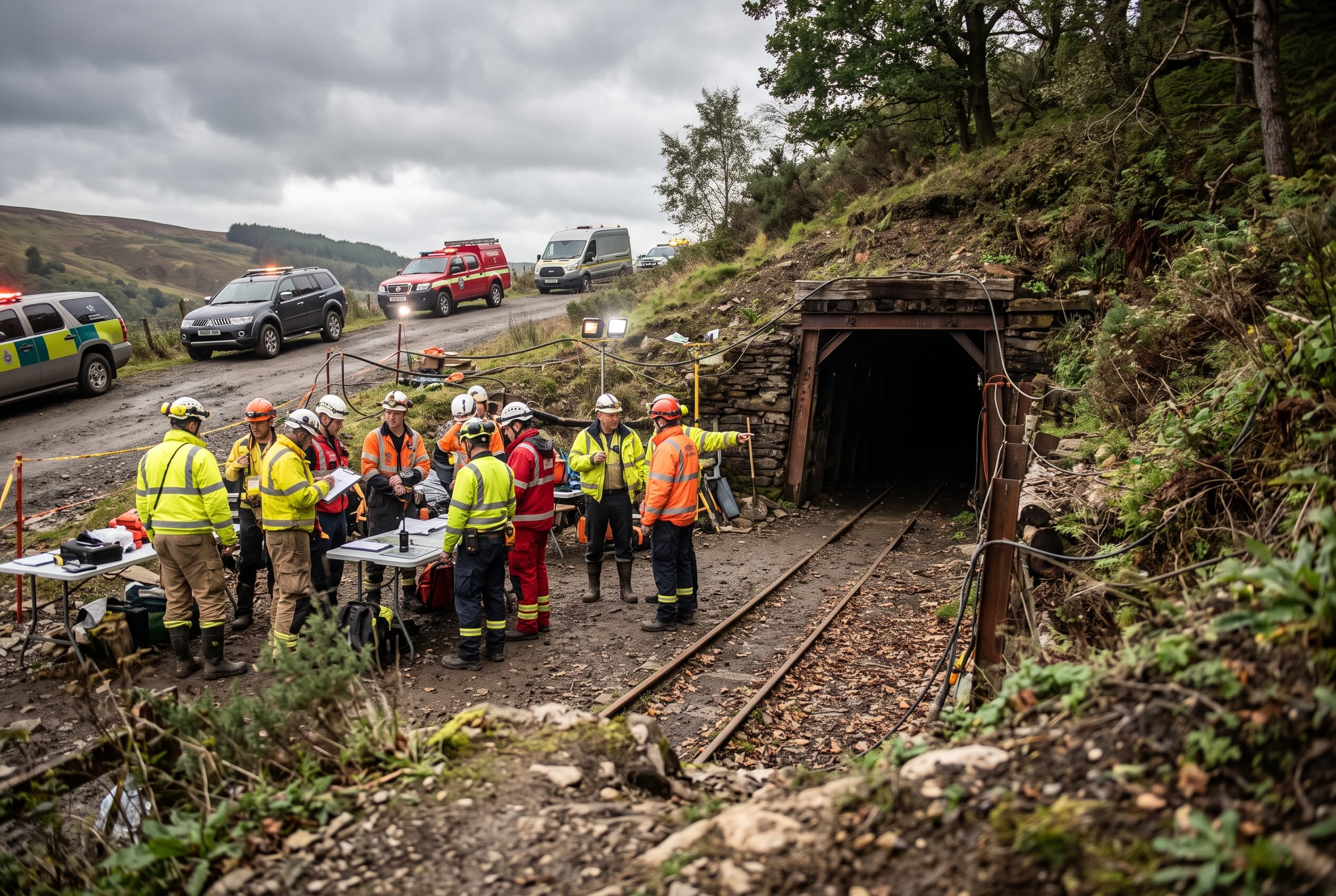
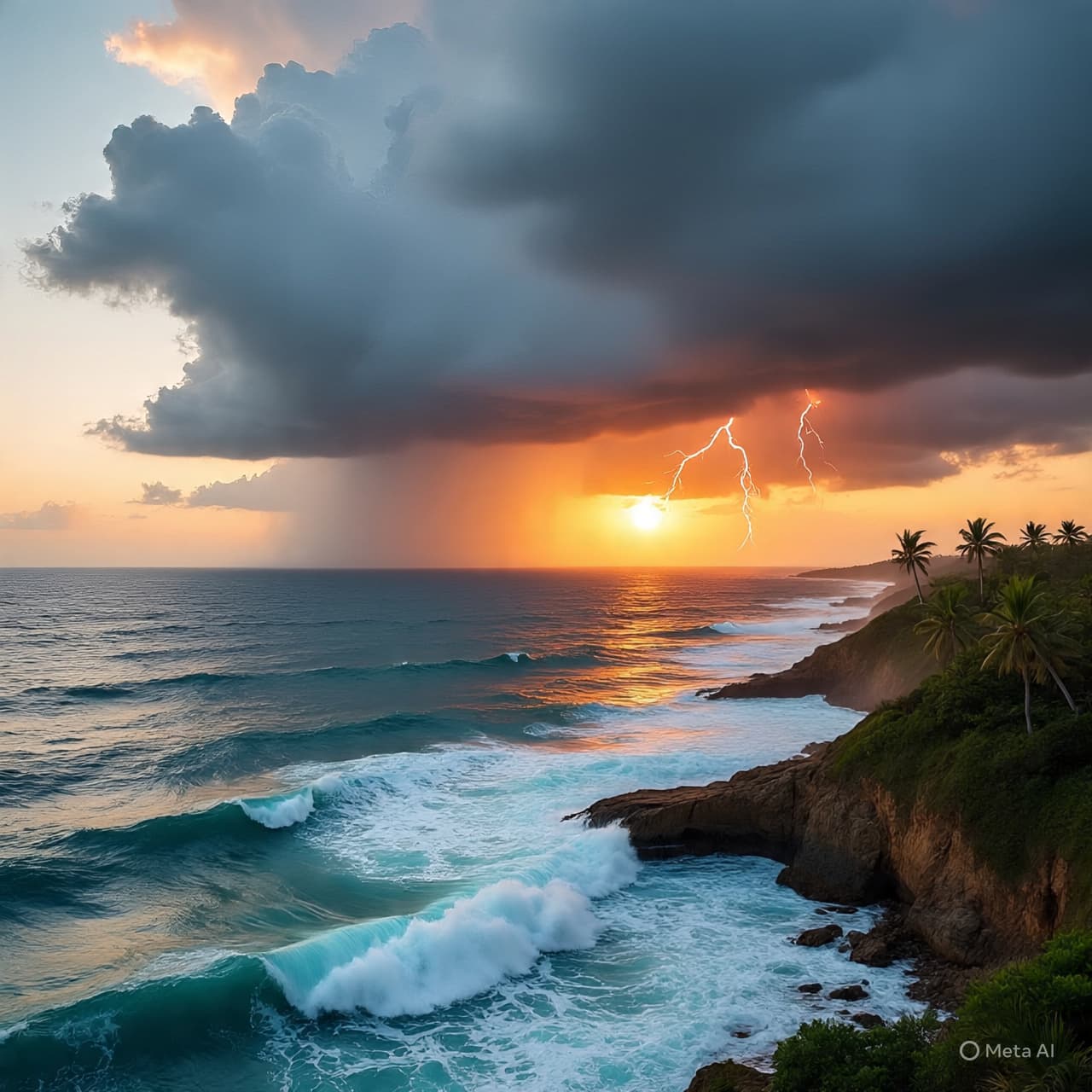
And yet, amid warnings and wind maps, there remains an elemental truth: the Caribbean has always lived in negotiation with the sea. Melissa is not just a storm; it is the latest chapter in a centuries-long conversation between nature and resilience, one where the outcome is rewritten with every wave. AI Image Disclaimer AI-generated images are used for illustration and may not depict actual events or locations.
Sources This article is based on reporting from Reuters, BBC Weather, National Hurricane Center (NHC), The Guardian, and Associated Press.
Published by Banx Network. This article is part of the Banx decentralized media programme, powered by the BXE token on the XRP Ledger.