In the grand narrative of human exploration, there are moments where ingenuity triumphs over catastrophe, turning potential disaster into a testament to resilience. The story of Skylab, NASA’s first space station, is one such chapter, beginning not with a smooth ascent but with a violent shudder that threatened to end the mission before it truly began. It is a tale of improvisation, where a simple sunshade became the difference between success and failure, and where the final act played out not in the stars, but in the quiet humor of a small Australian town.
The journey of Skylab reminds us that even the most ambitious technological feats are vulnerable to the unpredictable forces of nature and physics. Yet, it also highlights the enduring spirit of collaboration and problem-solving that defines the best of scientific endeavor, leaving behind a legacy that is as much about human creativity as it is about engineering prowess.
Body: When Skylab launched in May 1973, the roar of its Saturn V rocket was accompanied by an unexpected tremor that tore away a crucial micrometeoroid shield and one of its main solar panels. The loss of this protective layer left the station exposed to the intense heat of the sun, threatening to render its interior uninhabitable and its systems useless. For a moment, the dream of a permanent American presence in orbit seemed to hang by a thread, vulnerable to the very environment it sought to study.
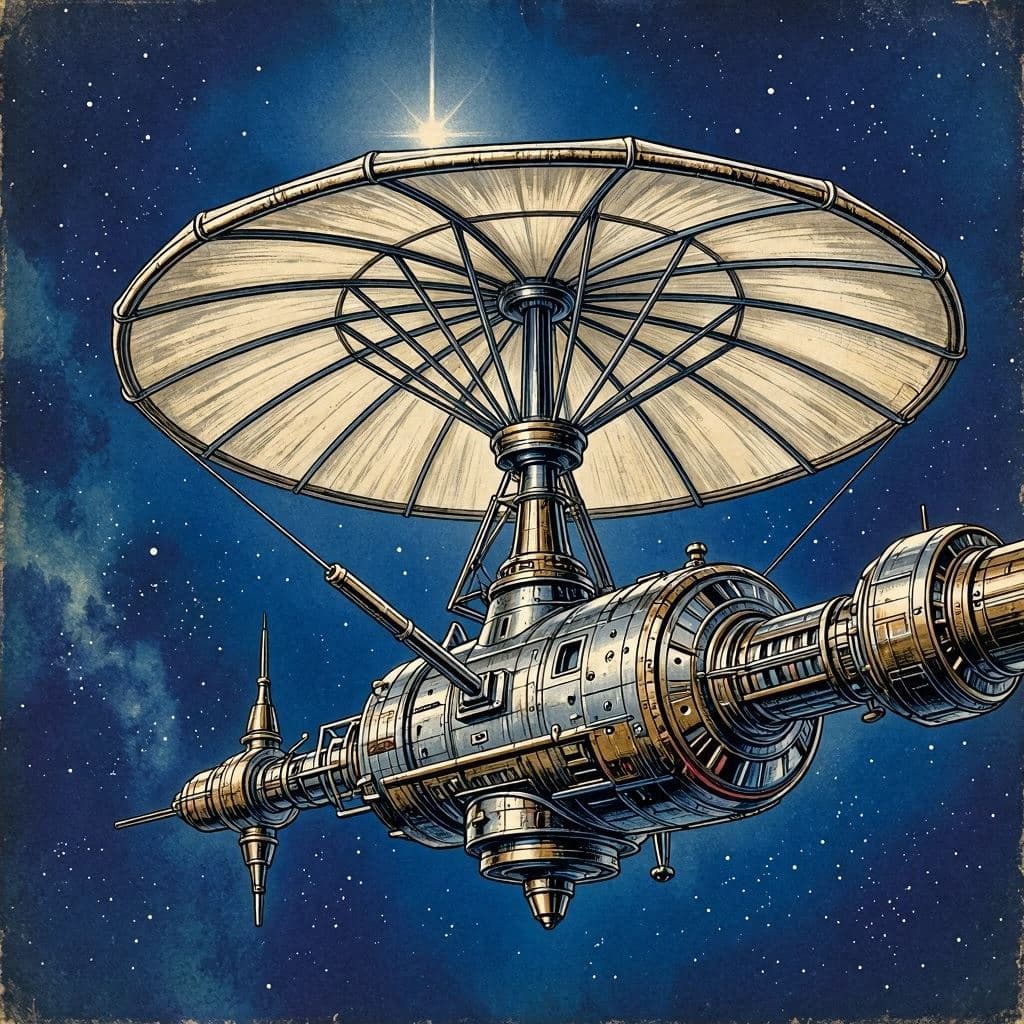
Engineers on the ground, faced with a crisis that had no precedent, devised a daring solution: an improvised sunshade, often described as a parasol, that could be deployed during the first crewed mission. This makeshift device, crafted from lightweight materials and designed to be unfolded like an umbrella, was intended to block the solar radiation and cool the station’s interior. The success of this repair, executed by astronauts Pete Conrad and Joseph Kerwin during a spacewalk, stands as one of the most remarkable feats of on-orbit maintenance in history.
For five years, Skylab served as a laboratory for scientific research, hosting three crews who conducted experiments in solar astronomy, Earth observation, and human physiology. The station proved that humans could live and work in space for extended periods, paving the way for future endeavors such as the International Space Station. It was a beacon of progress, orbiting the Earth and offering a new perspective on our planet and our place in the cosmos.
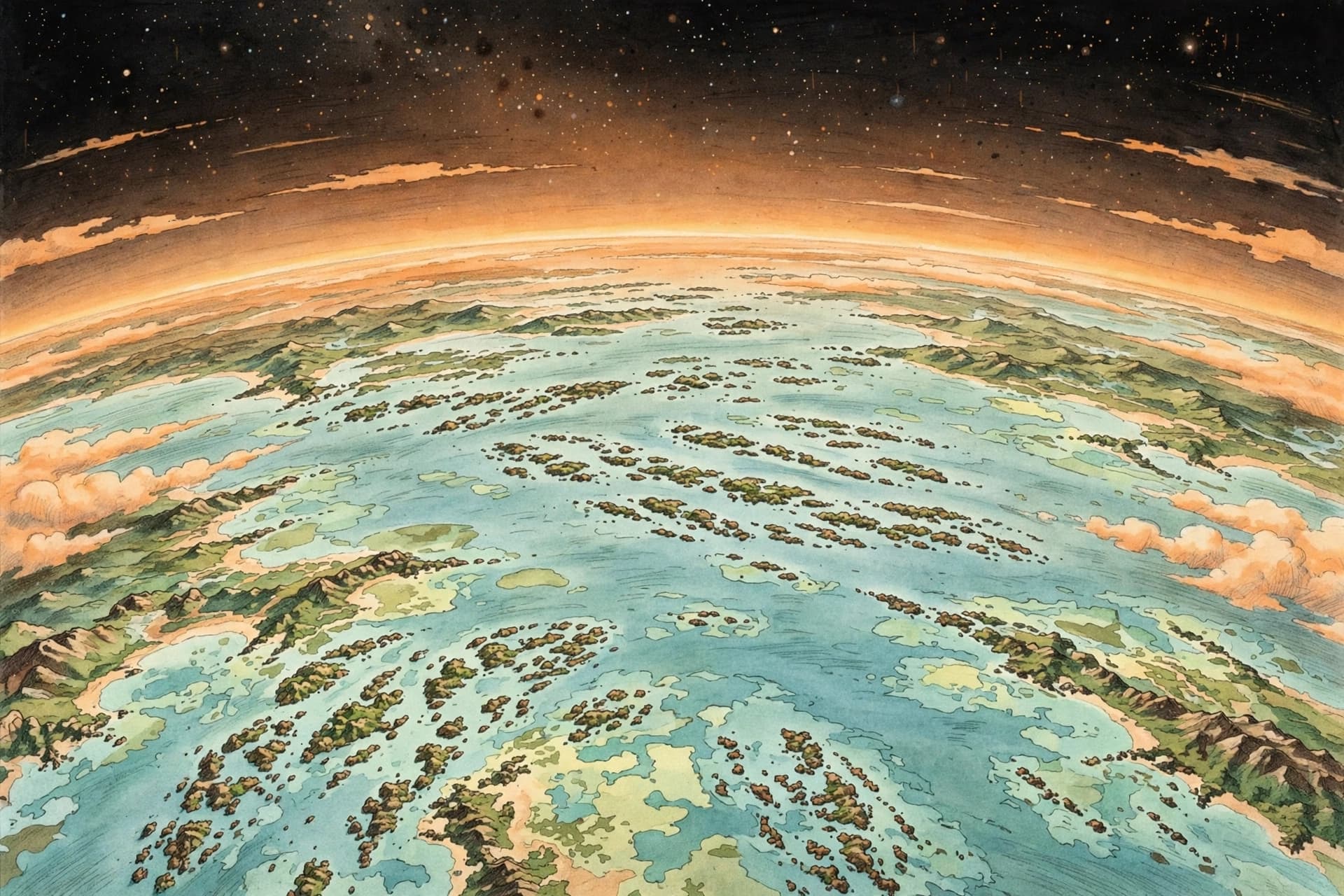
However, all things in orbit must eventually return to Earth, and Skylab’s descent in July 1979 was a event watched with bated breath around the world. As the station re-entered the atmosphere, it broke apart, scattering debris across a wide swath of Western Australia. The fiery spectacle lit up the night sky, marking the end of an era and the beginning of a peculiar postscript that would become part of space lore.
In the town of Esperance, located in the path of the falling debris, local officials responded to the littering with a touch of dry wit. The Shire of Esperance issued NASA a fine of 400 for littering, a gesture that was largely understood as a humorous nod to the absurdity of the situation rather than a serious legal demand. The fine, which remained unpaid for decades, became a symbol of the unexpected ways in which space exploration intersects with everyday life on Earth.
It was not until 2009, thirty years after the incident, that the fine was finally settled. A radio host in the United States raised the funds through a listener drive, sending the money to the Esperance Shire Council. This act of closure, though symbolic, highlighted the enduring connection between the two communities and the shared sense of wonder and amusement that the Skylab story continues to inspire.
Closing: Today, pieces of Skylab rest in museums and private collections, serving as tangible reminders of a pioneering age in spaceflight. The station’s legacy is not just in the scientific data it gathered, but in the stories of human ingenuity and cross-cultural humor that it generated. As we look toward new frontiers, the tale of the parasol and the fine remains a gentle reminder that even in the vastness of space, we are never too far from the touch of humanity.
AI Image Disclaimer: Please note that any visual illustrations accompanying this text are AI-generated interpretations designed to evoke the thematic context of space history and do not depict actual photographs of the Skylab mission or its debris.
Sources: NASA History Office ABC News (Australia) Guinness World Records Mental Floss
Published by Banx Network. This article is part of the Banx decentralized media programme, powered by the BXE token on the XRP Ledger.