There are journeys that begin long before the first step is taken, shaped quietly through years of planning, debate, and careful construction. Space missions, perhaps more than most endeavors, carry this sense of extended anticipation. By the time a rocket stands ready on the launch pad, its story has already unfolded across decades—written in policy discussions, technical revisions, and the steady alignment of ambition with possibility.
The upcoming Artemis II mission, led by NASA, reflects this long arc of preparation. Designed to carry astronauts around the Moon and back to Earth, it marks a significant step in the broader Artemis program—a return to crewed lunar exploration after more than half a century. Yet the path to this moment has been anything but direct.
The origins of Artemis II can be traced through earlier programs, shifting priorities, and evolving technologies. After the conclusion of the Apollo era, human spaceflight entered a period focused largely on low Earth orbit, with the Space Shuttle and later the International Space Station shaping the direction of exploration. The idea of returning to the Moon persisted, but often in tentative forms, influenced by political changes and funding considerations.
Over time, these threads converged into a more defined initiative. Artemis, as a program, seeks not only to revisit the Moon, but to establish a sustainable presence—one that can support future missions deeper into space. Artemis II serves as a bridge within this vision, testing systems and procedures with a human crew before more complex operations, including lunar landings, are attempted.
From a policy perspective, the mission illustrates how space exploration is guided as much by governance as by engineering. Decisions about timelines, budgets, and partnerships shape what is possible, often requiring negotiation between agencies, governments, and private contractors. Insights discussed in platforms like The Conversation highlight how these factors influence not just when a mission launches, but how it is structured.
Technically, Artemis II will rely on the Space Launch System rocket and the Orion spacecraft, systems developed over years of testing and refinement. The mission’s objective is both straightforward and significant: to carry astronauts on a lunar flyby, demonstrating that these systems can safely support human travel beyond Earth orbit once again.
There is a certain quiet weight to this endeavor. It is not the first time humans have traveled to the Moon, yet it carries the sense of beginning anew—of revisiting a destination with different expectations and a broader horizon in mind. The mission does not stand alone; it is part of a sequence, each step building toward a more sustained presence in space.
The anticipation surrounding Artemis II is measured rather than urgent. It reflects confidence shaped by preparation, as well as an awareness of the complexities involved. Each milestone reached along the way represents not just progress, but validation of the processes that support it.
As the launch approaches, NASA and its partners continue to finalize preparations, including crew readiness, system checks, and mission planning. Artemis II is expected to serve as a critical test of human deep-space capability, informing the missions that will follow.
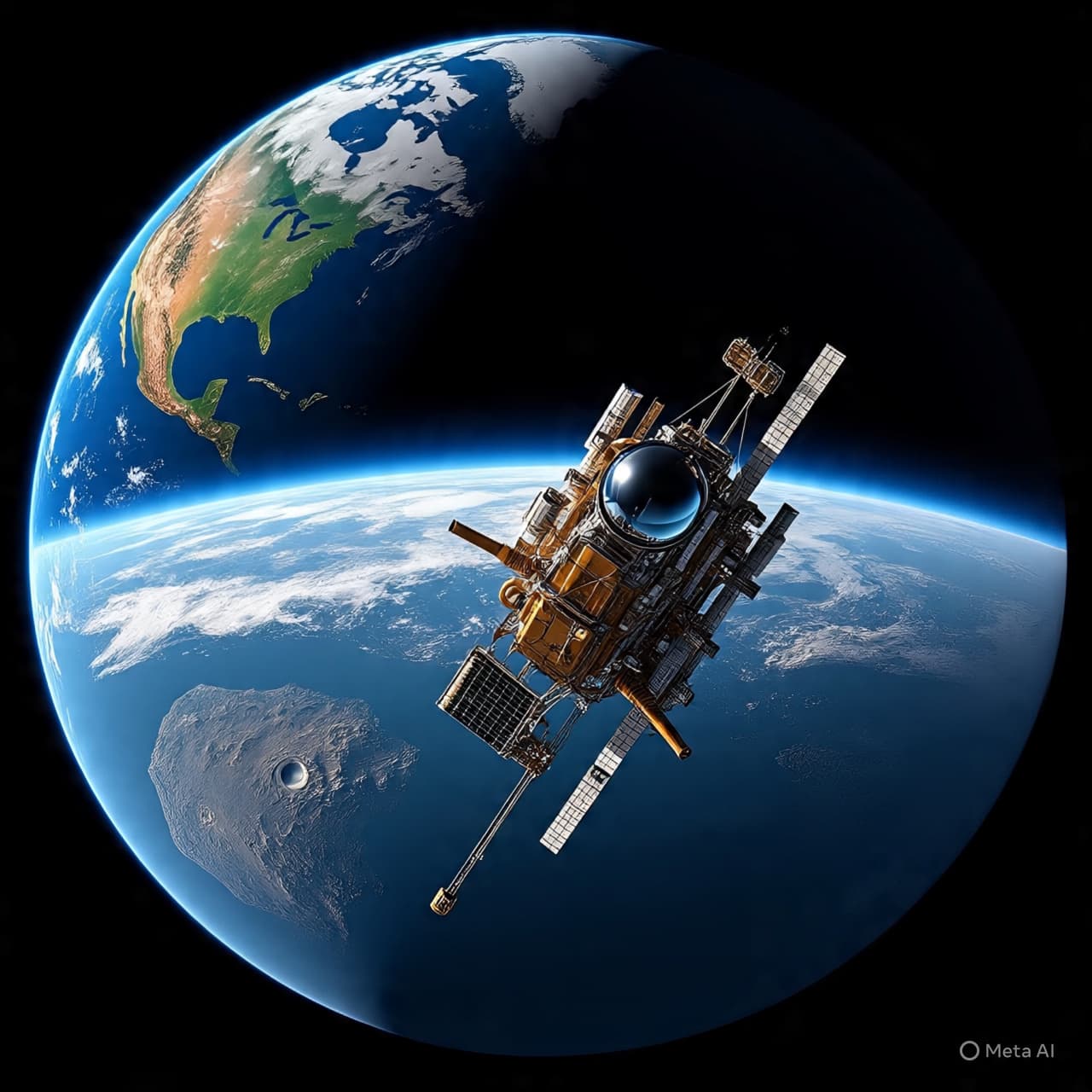
AI Image Disclaimer Graphics are AI-generated and intended for representation, not reality.
Source Check (Credible Media Outlets):
NASA The Conversation BBC Science Reuters Space.com
Published by Banx Network. This article is part of the Banx decentralized media programme, powered by the BXE token on the XRP Ledger.