Before dawn reaches the Persian Gulf, the horizon often appears suspended between darkness and light. Naval vessels move quietly through calm waters, while distant cities awaken beneath skies that have carried the echoes of aircraft and missiles for weeks. In moments shaped by conflict, even the possibility of silence can become a subject of extraordinary significance.
According to an exclusive report published by The Wall Street Journal, Iran quietly submitted a proposal for a 10-day ceasefire while facing sustained U.S. military strikes against strategic facilities. The report, citing officials familiar with diplomatic discussions, said the proposal was delivered through intermediaries during one of the most intense phases of the recent confrontation. Neither Tehran nor Washington has publicly confirmed the reported initiative.
The reported proposal allegedly sought a temporary halt to military operations that would create space for renewed diplomatic engagement. Such short-term ceasefires have historically served as opportunities to reduce immediate risks, assess humanitarian conditions, and reopen channels of communication without requiring a broader political settlement.
The timing of the reported initiative is notable. During the same period, U.S. forces continued operations targeting Iranian military and nuclear-related infrastructure, while Iran responded with missile and drone attacks against American facilities and regional partners. The exchange marked one of the most serious direct confrontations between the two countries in decades, increasing concerns that the conflict could expand further across the Middle East.
Diplomatic efforts during periods of active warfare often unfold quietly, far from public view. Governments frequently rely on third-party mediators—including neighboring states, regional organizations, or trusted diplomatic partners—to relay proposals without requiring direct public negotiations. Whether such initiatives ultimately succeed often depends as much on timing and trust as on the substance of the proposals themselves.
Regional observers note that even limited pauses can carry significant humanitarian and strategic value. Temporary reductions in hostilities may allow civilian infrastructure to be repaired, commercial shipping to resume more safely, and diplomatic representatives to explore broader confidence-building measures. At the same time, ceasefires can prove fragile if underlying political disagreements remain unresolved.
International leaders have repeatedly urged restraint throughout the crisis, emphasizing the importance of dialogue alongside military deterrence. While official positions from both Washington and Tehran continue to reflect deep differences, diplomatic channels have rarely disappeared entirely, even during periods of heightened confrontation. History shows that negotiations often continue quietly while military operations remain visible to the wider world.
Wars are remembered through dramatic moments, yet some of their most consequential developments occur beyond public attention—in secure meeting rooms, encrypted communications, and carefully worded diplomatic messages exchanged through intermediaries. These quieter efforts rarely make immediate headlines, but they sometimes shape the possibilities that emerge after the fighting begins to slow.
As another evening settles across the Gulf, aircraft continue their patrols and diplomats continue their conversations. Whether the reported proposal for a ten-day ceasefire represented a missed opportunity, an exploratory gesture, or simply one chapter in ongoing negotiations remains uncertain. For now, it serves as a reminder that even amid the loudest moments of conflict, diplomacy often continues to speak in its quietest voice.
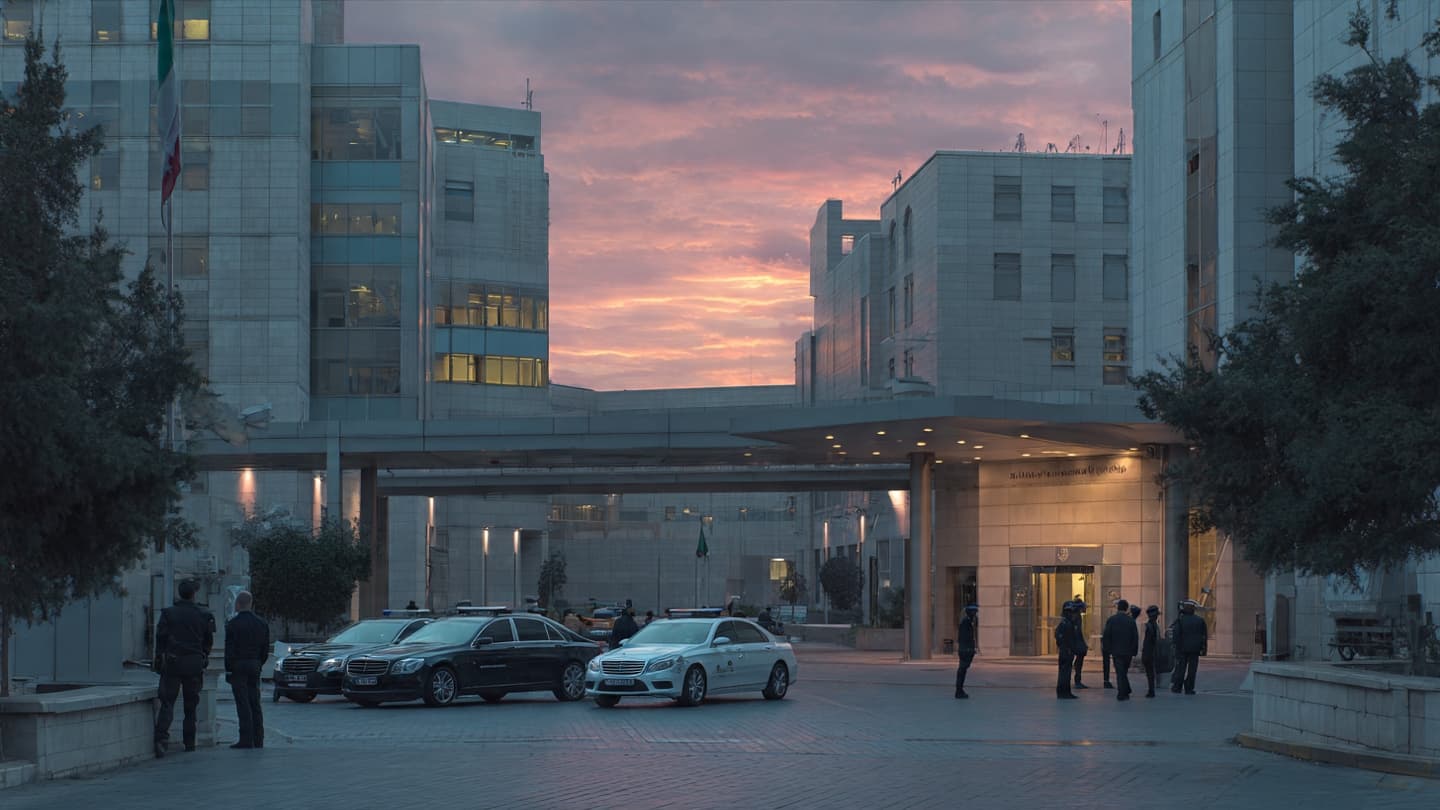
AI Image Disclaimer: These illustrations were generated using AI as conceptual visual representations and do not depict actual photographs of the reported events.
Sources: The Wall Street Journal, Reuters, Associated Press, International Crisis Group, United Nations.
Published by Banx Network. This article is part of the Banx decentralized media programme, powered by the BXE token on the XRP Ledger.