
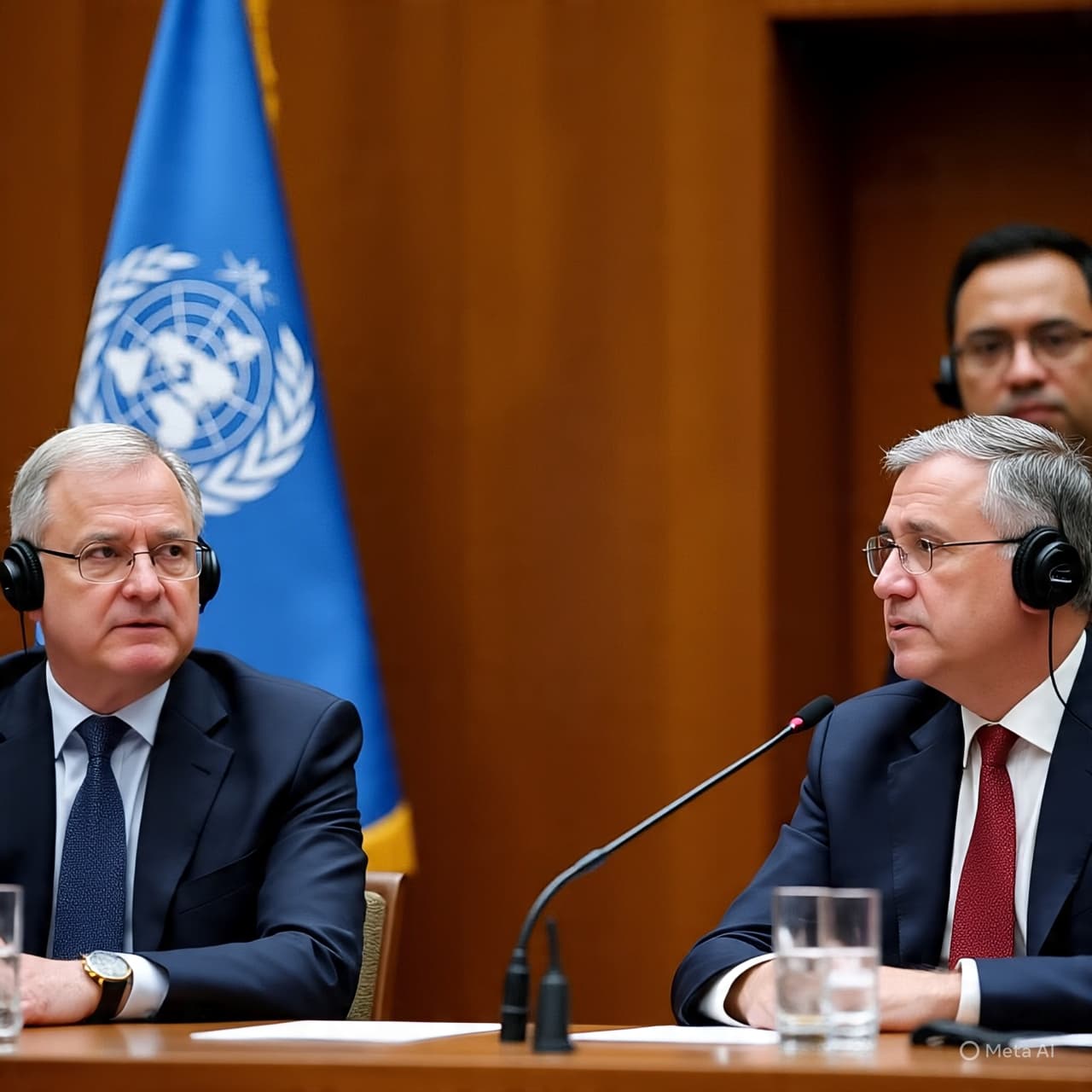
Key Highlights
- Diplomatic Exchange:President Trump referenced Pearl Harbor during a meeting with Japan's Prime Minister Fumio Kishida.
- Unexpected Reaction:The remark reportedly caught attendees off guard, shifting the atmosphere in the room.
- Historical Context:The reference underscores the complexities of U.S.-Japan relations shaped by historical memory.
In a recent diplomatic meeting, President Donald Trump made a surprising reference to Pearl Harbor while discussing security cooperation with Japan's Prime Minister Fumio Kishida. This remark, which echoed through the room, highlighted the intricate balance of historical memory and current geopolitical dynamics. The mention of such a significant historical event during a moment of coordination between allies raised eyebrows and shifted the atmosphere, illustrating how history can intrude upon contemporary discussions.
The exchange took place amid rising tensions in the Middle East, particularly concerning Iran, where the United States is seeking greater support from its allies. Japan, with its pacifist constitution and postwar identity, has traditionally approached military involvement with caution. The delicate nature of Japan's role in international conflicts often leans towards logistical and humanitarian support rather than direct military engagement, making Trump's reference particularly poignant.
Observers noted that the atmosphere in the room changed subtly after Trump's remark. Diplomatic interactions are typically characterized by predictability and a shared understanding of boundaries. When those boundaries are crossed, even unintentionally, it can lead to a moment of silence that speaks volumes. The unexpected nature of the comment served as a reminder of the weight that historical references can carry in diplomatic discourse.
Japan's response to the U.S. request for increased involvement in global conflicts is shaped by its historical experiences and domestic expectations. While Japan has strengthened its defense ties with the U.S. in recent years, the memory of past conflicts, including World War II, continues to influence its foreign policy decisions. The reference to Pearl Harbor, even in a modern context, resonates deeply within Japan, making it a sensitive topic in diplomatic discussions.
In the aftermath of the meeting, officials from both sides sought to refocus attention on cooperation and shared goals. Public statements emphasized the importance of unity and stability in uncertain times. However, the lingering impact of Trump's comment serves as a reminder of how easily history can seep into the present, affecting diplomatic relations and perceptions.
Ultimately, the facts of the meeting remain clear: President Trump referenced Pearl Harbor during a conversation with Prime Minister Kishida, leading to a moment of surprise among attendees. While no formal dispute arose from the exchange, it underscores the reality that in international relations, even a single sentence can carry the weight of decades, echoing through time and shaping the present.
Published by Banx Network. This article is part of the Banx decentralized media programme, powered by the BXE token on the XRP Ledger.



