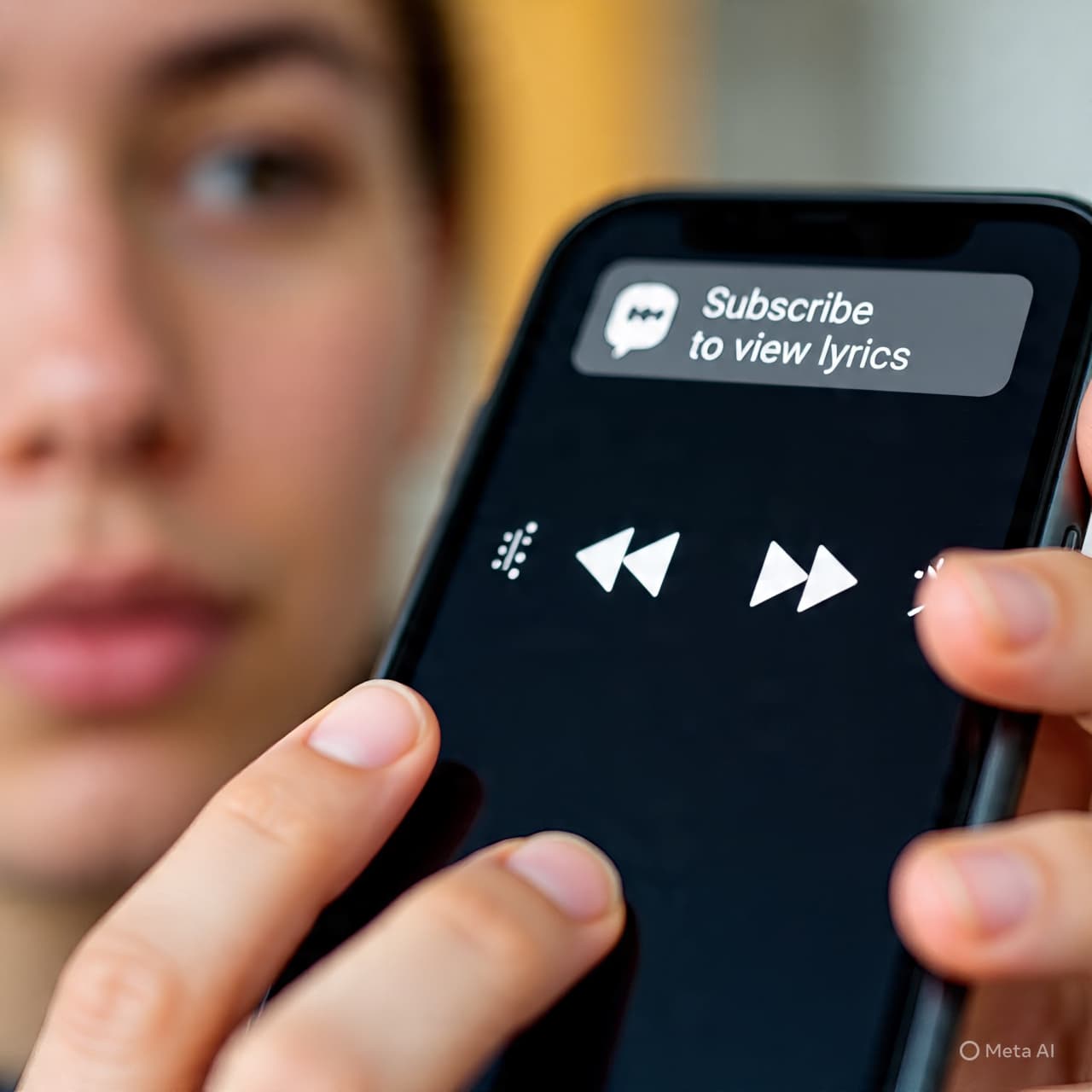
In an age when music and streaming are woven deeply into everyday life, even small shifts in how we experience songs can feel meaningful. Recently, YouTube Music began placing lyrics behind a subscriber-only paywall, a change that has captured the attention of listeners and sparked discussion about access to features many users had grown accustomed to.
For years, YouTube Music offered lyrics that appeared alongside the track as part of the listening experience. Fans often used this feature to follow along with their favorite songs, learn new words, or simply deepen their connection with the music. Seeing the words on screen — a gentle bridge between sound and meaning — became something listeners expected as part of a modern music platform.
The recent update, however, means that viewing lyrics while streaming is now limited to YouTube Music Premium subscribers in many regions. For casual listeners who use the free tier, the familiar lyric display is no longer available without paying for a subscription that also removes ads and adds offline listening and other perks. For people who enjoy discovering new music or singing along with songs, this felt like a subtle shift in how digital music services balance free access with business models built around paid upgrades.
From a broader perspective, the change reflects a trend seen across the streaming landscape: features once offered broadly are increasingly bundled into premium tiers as platforms work to convert users into subscribers. It’s a strategy rooted in economics as well as consumer behavior — encouraging listeners to see added value in paid plans, while sustaining a service that must cover licensing costs and platform investments.
For everyday listeners, reactions have been mixed. Some users who already subscribe to Premium take the change in stride, noting that many services tie advanced features to paid plans. Others feel a tinge of disappointment at losing a convenience that once came at no cost. Conversations on social platforms and music forums highlight both the practical impact — “I used lyrics to learn languages” — and the emotional one — “Music feels more personal when I can follow the words.”
Representatives of music streaming platforms sometimes explain that features tied to paid tiers help support the complex licensing arrangements necessary to share music legally and fairly with creators and rights holders. In that light, restricting certain functions to paying listeners is presented as part of a broader ecosystem that keeps the music flowing — for fans, for artists, and for the services that link them.
At the same time, the shift invites reflection on how digital services shape our experience of cultural content. When tools and conveniences are moved behind a paywall, it pushes listeners to consider what they value most about a platform and whether they want to invest in that experience. Just as people weigh the merits of ad-free listening, offline playback, or curated playlists, lyrics have become another thread in that tapestry of choices.
In the end, the change by YouTube Music is not simply about where lyrics appear on a screen. It’s part of a larger story about how music lives in the digital world today — what features we prize, how platforms evolve, and how ideas of access and value intersect with the everyday pleasure of hearing and understanding a song.
AI Image Disclaimer Visuals are created with AI tools and are not real photographs.
Sources
• Reporting from technology and music industry outlets on YouTube Music’s decision to move lyrics behind a paid subscription tier.
• Commentary from users and music listeners on reactions to the change.
Published by Banx Network. This article is part of the Banx decentralized media programme, powered by the BXE token on the XRP Ledger.