
Key Highlights
- Mozambique is enhancing its port infrastructure to boost economic growth.
- The country aims to become a major logistics hub in Southern Africa.
- Investments in transportation corridors are fostering regional connectivity.
Mozambique, located at the confluence of the Zambezi River and the Indian Ocean, is undergoing a significant transformation in its economic landscape. The recent renovations of its ports and transportation corridors are not just infrastructural improvements; they represent a strategic shift towards becoming a key logistics hub in Southern Africa. This development is crucial for connecting the coastal regions with inland countries, thereby enhancing trade and economic activity.
The rehabilitation of railways and the expansion of dock capacities in major ports like Beira and Maputo are pivotal in this narrative. These efforts are akin to restoring vital arteries in a body, ensuring that trade flows smoothly and efficiently. By improving these connections, Mozambique is not only facilitating the movement of goods but also providing hope to local producers and workers who rely on these routes for their livelihoods.
Moreover, the modernization of Mozambique's logistics sector is a testament to the country's resilience. With climate change leading to more frequent cyclones, the new port infrastructure is designed to withstand such challenges. This foresight is essential for attracting international investment, as efficient ports are critical for global trade. The government's focus on diversifying the economy beyond its traditional reliance on natural resources is a strategic move towards fostering inclusive development.
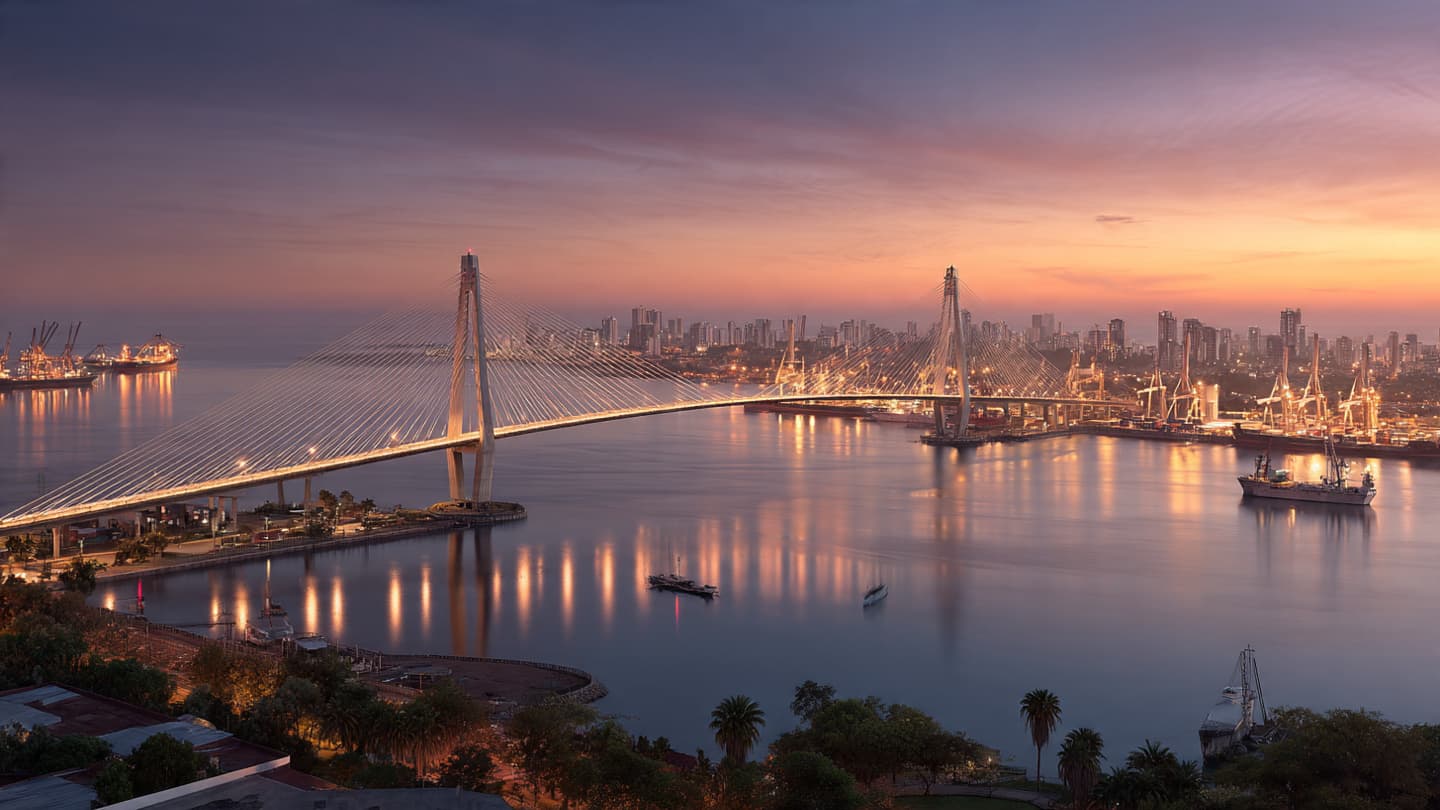
As large vessels navigate the waters of Maputo's port, they symbolize the awakening of an economic giant. Mozambique's geographical advantages are being leveraged to position the country as a major player in regional logistics. The picturesque view of port lights reflecting on the water at dawn serves as a metaphor for the new opportunities that lie ahead, filled with potential for trade and economic collaboration.
In the operational management center of the development corridor, there is a palpable shift towards regional integration. Mozambique is moving away from economic isolation and is fostering stronger ties with neighboring countries such as Zimbabwe and Malawi. This collaborative approach is aimed at improving transparency and simplifying the business environment, which is vital for attracting foreign investment and enhancing economic cooperation.
The atmosphere around the Zambezi River mouth is infused with the spirit of hard work and resilience, reflecting Mozambique's identity. The integration of the energy sector, particularly natural gas, into domestic industrial development is a significant step towards achieving national independence. This cautious yet determined approach indicates that Mozambique is reclaiming its voice on the regional stage, leading by example in recovery and infrastructure development.
As the sun sets behind the iconic Maputo-Katembe bridge, casting a warm glow over the city, it is a moment to reflect on the perseverance of the Mozambican people. Having faced numerous challenges, they are now poised to build a brighter future. The government's commitment to enhancing regional connectivity serves as a reminder that the strength of a nation lies in its ability to foster collective progress and economic growth.
The final light of day illuminates the bustling port structures, symbolizing the dynamism of Mozambique's economy. With ongoing investments in port facilities and the national road network, the government, in partnership with private entities, is working to solidify Mozambique's status as a major transportation hub in the Indian Ocean. These initiatives are expected to create thousands of jobs in the service sector and related industries, further contributing to the nation's economic development.
Published by Banx Network. This article is part of the Banx decentralized media programme, powered by the BXE token on the XRP Ledger.



