
Key Highlights
- Recent violence in Tayasir follows the establishment of a settler outpost.
- Local residents report confrontations with settlers and Israeli soldiers.
- Human rights groups highlight a pattern of violence affecting Palestinian communities.
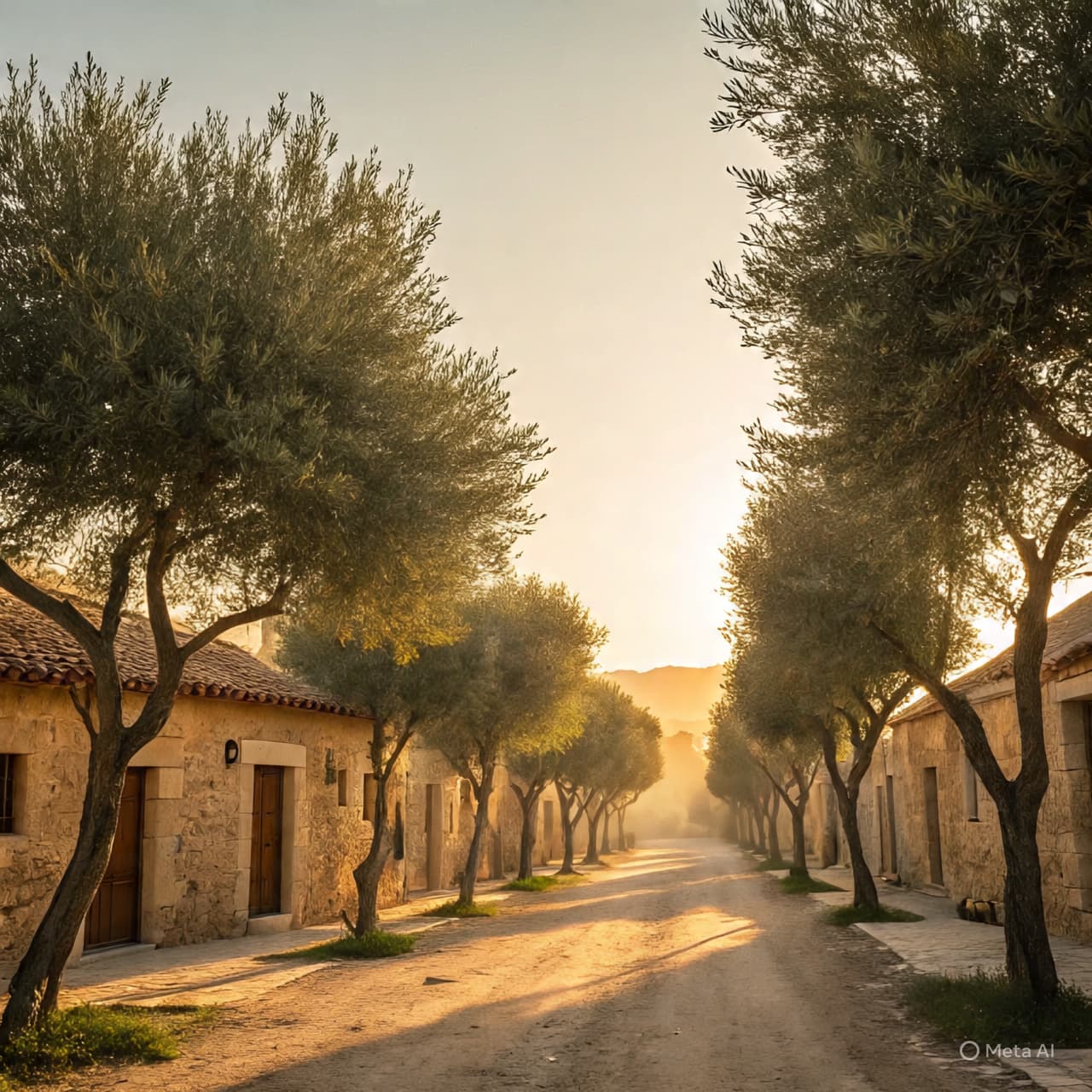
In the West Bank, the dawn light often casts a soft haze over the landscape, where olive groves and stone houses stand as silent witnesses to the region's complex history. However, in the village of Tayasir, this tranquility was recently shattered by a violent confrontation that underscores the ongoing Israeli-Palestinian conflict. The morning after Israeli settlers established an outpost on Palestinian-claimed land, local residents reported a scene marked by chaos rather than dialogue. Settlers allegedly entered the village, firing shots into the air and physically assaulting several Palestinians, an act that intensified the already fraught atmosphere.
As the Israeli army arrived on the scene, a new outpost had already taken shape, symbolizing the enduring struggle over land and livelihoods in the region. An international news team present during the incident noted that instead of addressing the settlers' actions, soldiers detained Palestinian residents and journalists, further complicating the narrative of the day. One photojournalist was reportedly assaulted, his equipment damaged, highlighting the challenges faced by those attempting to document the unfolding events.
The sentiments expressed by some soldiers during the incident reflected a broader discourse that has long influenced the West Bank. Phrases about land belonging to one group and the labeling of entire communities as threats reveal the deep-seated tensions that permeate interactions between settlers and Palestinians. These remarks resonate with the historical context of the region, where identity and belonging are often contested.
The landscape of Tayasir is not just defined by its physical features but also by the intertwined histories of its inhabitants. Olive trees, tended by generations, stand alongside narrow paths that connect homes and fields, embodying the resilience of Palestinian culture. In recent weeks, similar incidents have occurred across the occupied territories, with settlers conducting raids that result in property destruction and injuries to residents, often with little intervention from Israeli security forces. Human rights organizations have condemned these actions, framing them as part of a larger pattern of violence that undermines the possibility of coexistence.
For many Palestinian families, documenting these moments has become essential. The act of recording events through video and photography serves as a means of preserving their narrative amid a landscape filled with allegations and counterclaims. One resident poignantly stated, "The camera is my only weapon; it’s the one thing that can prove my innocence," illustrating how the act of witnessing can be a form of resistance.
As dusk falls over Tayasir, life continues amidst the turmoil. Goats graze on distant terraces, prayers echo from nearby mosques, and children navigate fields that have witnessed both peace and conflict. The events of the day will inevitably weave into the ongoing story of this land, where the interplay of tension and daily life creates a rich tapestry of human experience. The resilience of the people of Tayasir stands as a testament to their enduring spirit in the face of adversity.
Published by Banx Network. This article is part of the Banx decentralized media programme, powered by the BXE token on the XRP Ledger.



