Key Highlights
- April Property Increase:Dublin's residential property prices rose by 0.4%.
- Annual Growth Rate:The annual inflation rate for Dublin's housing market stands at 3.2%.
- Market Stability:Analysts note a lack of volatility, indicating a 'soft landing' for the sector.
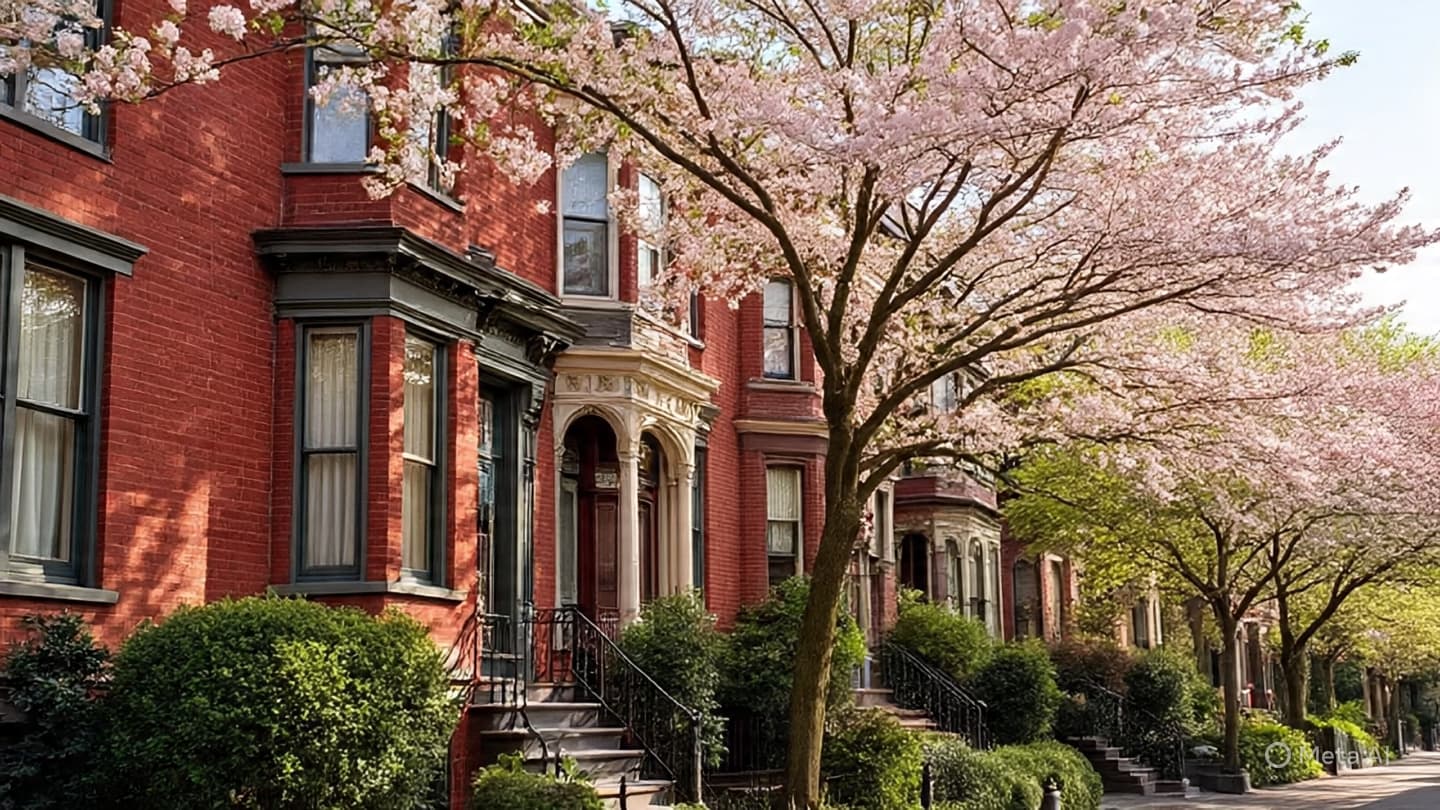
In the quiet, tree-lined suburbs of Rathgar and the salt-sprayed terraces of Clontarf, the month of April has brought with it a gentle, almost imperceptible shift in the value of the hearth. As the cherry blossoms begin to scatter across the pavement, Dublin’s residential property market has shown a moderate increase, a movement that feels like the slow, steady awakening of a garden in spring. It is a narrative of resilience, where the brick and mortar of the city continue to hold their value against the shifting winds of the global economy.
The atmosphere among those seeking a home is one of cautious, quiet determination. There is a sense that the frenetic energy of previous years has given way to a more contemplative pace, allowing for a deeper reflection on what it means to find a place of one's own. The growth in prices is not a sharp, aggressive climb, but rather a soft ascent that mirrors the gradual lengthening of the days. It is a return to a more manageable rhythm, a balancing of supply and the enduring desire for a front door in the capital.
Within the estate agents' windows, the photographs of sun-drenched kitchens and secluded gardens tell a story of aspiration and permanence. Each listing is a vessel for a dream, a potential sanctuary from the bustle of the modern world. The moderate rise in value suggests a market that is maturing, finding a steady middle ground between the exuberance of a boom and the stillness of a plateau. There is a quiet confidence in this stability, a belief that the foundation of the Dublin home remains solid.
As the morning light glints off the windows of the docklands and the Georgian squares, the dialogue between buyer and seller has become more nuanced. There is a mutual respect for the gravity of the investment, a recognition that a house is more than just an asset—it is the stage upon which a life unfolds. This human element is the heartbeat of the market, the invisible force that drives the numbers upward with a persistent, gentle pressure.
The economic implications of this growth are woven into the broader fabric of the city’s recovery. A healthy, moderate increase in property values serves as a signal of confidence in Dublin’s future as a hub of culture and commerce. It encourages the slow, thoughtful development of new spaces, ensuring that the city continues to breathe and expand in a way that honors its historic character while making room for the next generation of residents.
Observers of the Irish property landscape note the lack of volatility in this recent trend. It is being viewed as a 'soft landing' for a sector that has faced significant challenges in recent years. By avoiding the jagged peaks of rapid inflation, the market remains accessible to those with a long-term view, fostering a community of residents who are invested in the permanence of their neighborhoods. It is a movement toward a more sustainable and equitable urban landscape.
The cycle of the market remains a living thing, influenced by the ebb and flow of interest rates and the quiet decisions made at kitchen tables across the country. As April draws to a close, the data points to a market that is both resilient and reflective, capable of weathering the storm while maintaining its essential warmth. The focus remains on the preservation of the home as a place of safety and belonging in an ever-changing world.
Monthly figures released by the Central Statistics Office this morning indicate that residential property prices in the Dublin region rose by 0.4 percent during the month of April. This brings the annual rate of inflation for the capital's housing market to a steady 3.2 percent, notably lower than the national average. Analysts suggest that the increase is driven by a modest improvement in stock levels and continued strong demand for family homes in established commuter belts.
Published by Banx Network. This article is part of the Banx decentralized media programme, powered by the BXE token on the XRP Ledger.