
Key Highlights
- Fire erupted in a warehouse in Cetinje's industrial zone, causing extensive damage.
- The incident disrupted local businesses and employment opportunities.
- Investigators are examining the cause, focusing on electrical systems.
The industrial zone situated on the rural periphery of Cetinje serves as a vital hub for regional growth, housing large warehouses that store essential construction materials and heavy machinery. These facilities are crucial for local construction enterprises, which rely on the seamless movement of goods to support ongoing projects. However, the tranquility of this industrial landscape was shattered shortly before midnight when a fire broke out in a prominent warehouse dedicated to high-value distribution.
The blaze ignited deep within the storage racking, fueled by stacks of insulation material, synthetic plastics, and wooden pallets. By the time the automated security systems alerted the monitoring station, the flames had already breached the ceiling insulation, sending thick black smoke billowing into the night sky. The intense heat generated within the sealed metal structure caused the roof girders to buckle, complicating the response efforts of the local fire department.
Firefighters from the Cetinje municipal fire department were mobilized, requiring assistance from regional water tankers due to the fire's overwhelming scale. They battled the flames through the early morning hours, directing high-pressure streams of water onto the glowing metal walls to prevent the fire from spreading to adjacent facilities. The presence of flammable construction materials created a hazardous environment, with the sound of bursting pressurized containers punctuating the chaos.
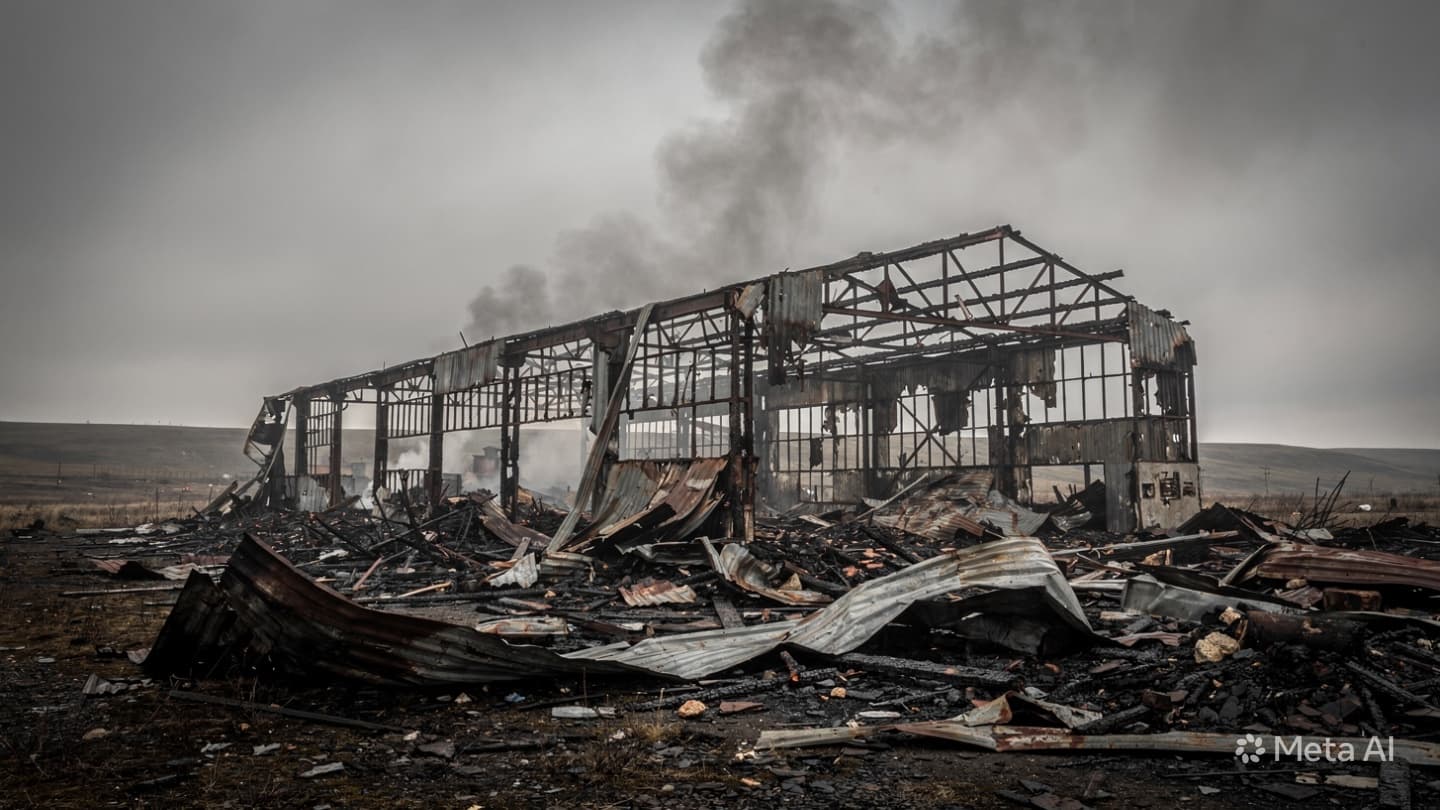
As dawn broke, the aftermath revealed a landscape of devastation, with blackened steel columns and melted aluminum siding marking the site of the fire. Business owners gathered at the security gates, witnessing the destruction of years of investment and logistical planning. The heavy machinery that was intended for upcoming municipal infrastructure projects lay in ruins, representing a significant financial blow to the local construction sector and disrupting supply agreements across the region.
In the wake of the disaster, municipal forensic teams and insurance investigators cordoned off the area to begin assessing the fire's origin. Initial investigations are focusing on the warehouse's electrical distribution boards, although the extent of the structural collapse complicates immediate conclusions. The local business community has raised concerns about the vulnerability of their shared storage infrastructure to such catastrophic events.
The economic repercussions of the warehouse fire extend beyond physical damage, affecting the local labor force that relied on the distribution hub for steady employment. The management company has initiated emergency meetings with state development agencies to explore options for temporary relocation and financial restructuring to maintain client contracts. The government has pledged to expedite regulatory approvals for the clearance and reconstruction of the site, acknowledging its importance to regional trade.
As the final hot spots were extinguished by afternoon, the skeletal remains of the building cooled in the dry breeze. Investigations into the fire's causes will continue for several weeks, with technical experts analyzing the patterns of thermal acceleration. Meanwhile, the surrounding industrial lanes are gradually resuming normal operations, although the charred shell of the warehouse serves as a stark reminder of the disaster's impact on the community.
Published by Banx Network. This article is part of the Banx decentralized media programme, powered by the BXE token on the XRP Ledger.



