
Key Highlights
- Incident:A pipeline failure in Montenegro's Zeta Valley has led to significant water contamination.
- Response:Emergency teams are working to contain the spill and assess environmental damage.
- Impact:Local farmers face immediate challenges due to water extraction bans affecting their crops.
The Zeta Valley, known for its fertile alluvial plains, is facing a critical environmental crisis following a significant pipeline failure. This incident occurred when an automated monitoring station detected a sudden drop in pressure within a chemical transit pipeline linked to an inactive processing plant. The failure of a specialized valve allowed industrial wastewater to escape, contaminating nearby waterways that are vital for local agriculture.
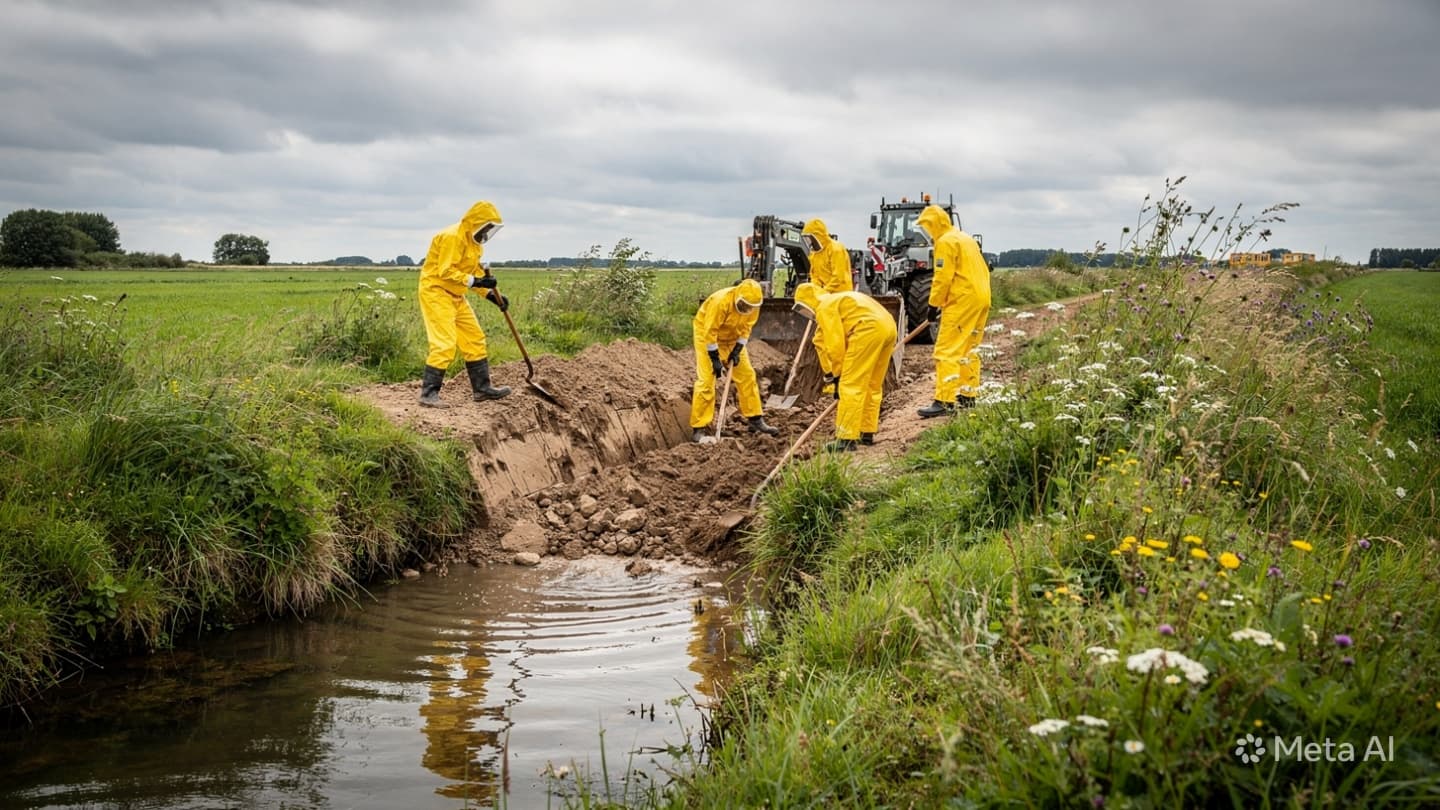
Upon detection of the leak, municipal environmental inspectors and emergency response teams mobilized quickly to isolate the affected area. They constructed temporary barriers to contain the spread of the chemical effluent, which posed a serious threat to the surrounding agricultural lands. The swift action was crucial in preventing further contamination of the deeper aquifers that supply drinking water to local communities.
Local farmers, who rely heavily on the water from the Zeta Valley for irrigation, gathered anxiously at the police cordon. The incident has raised alarms about the safety of their crops and the potential long-term effects on consumer trust. With the soil now under strict monitoring, farmers are left to grapple with the uncertainty of their upcoming harvests, which are critical for their livelihoods.
As containment efforts progressed, environmental forensic scientists began assessing the extent of the contamination. Initial findings indicated that the rapid deployment of clay barriers had mitigated the worst of the spill, but significant remediation efforts would still be necessary. This includes excavating contaminated silt from the canal bed, a process that could take weeks and will require extensive testing to ensure the safety of the agricultural land.
The economic ramifications of the water extraction ban are immediate and severe. Farmers are now forced to import water by tanker to sustain their livestock and greenhouse crops, adding financial strain to an already vulnerable agricultural sector. In response to the crisis, regional environmental organizations are calling for a comprehensive audit of industrial facilities near critical watersheds to prevent future incidents.
The local government has pledged to expedite ecological testing to lift the restrictions on water extraction as soon as possible. However, the restoration of environmental safety will depend on thorough scientific verification of the soil and water quality. As the situation develops, the Zeta Valley community remains on high alert, hoping for a swift resolution to this environmental crisis.
Published by Banx Network. This article is part of the Banx decentralized media programme, powered by the BXE token on the XRP Ledger.



