The smallest building blocks of nature often reveal the biggest scientific questions. Hidden beneath everyday experience is a world where particles move at extraordinary speeds and fundamental forces shape the structure of the universe. Recent research into particle physics and jet production is helping scientists refine their understanding of these invisible processes.
Particle physics seeks to explain the behavior of matter and energy at the most fundamental level. Researchers study elementary particles and their interactions to understand how the universe developed and why physical laws operate as they do.
Jet production refers to streams of particles created during high-energy collisions inside particle accelerators. When particles collide at enormous speeds, they generate complex patterns that scientists can analyze to test theoretical models and improve existing calculations.
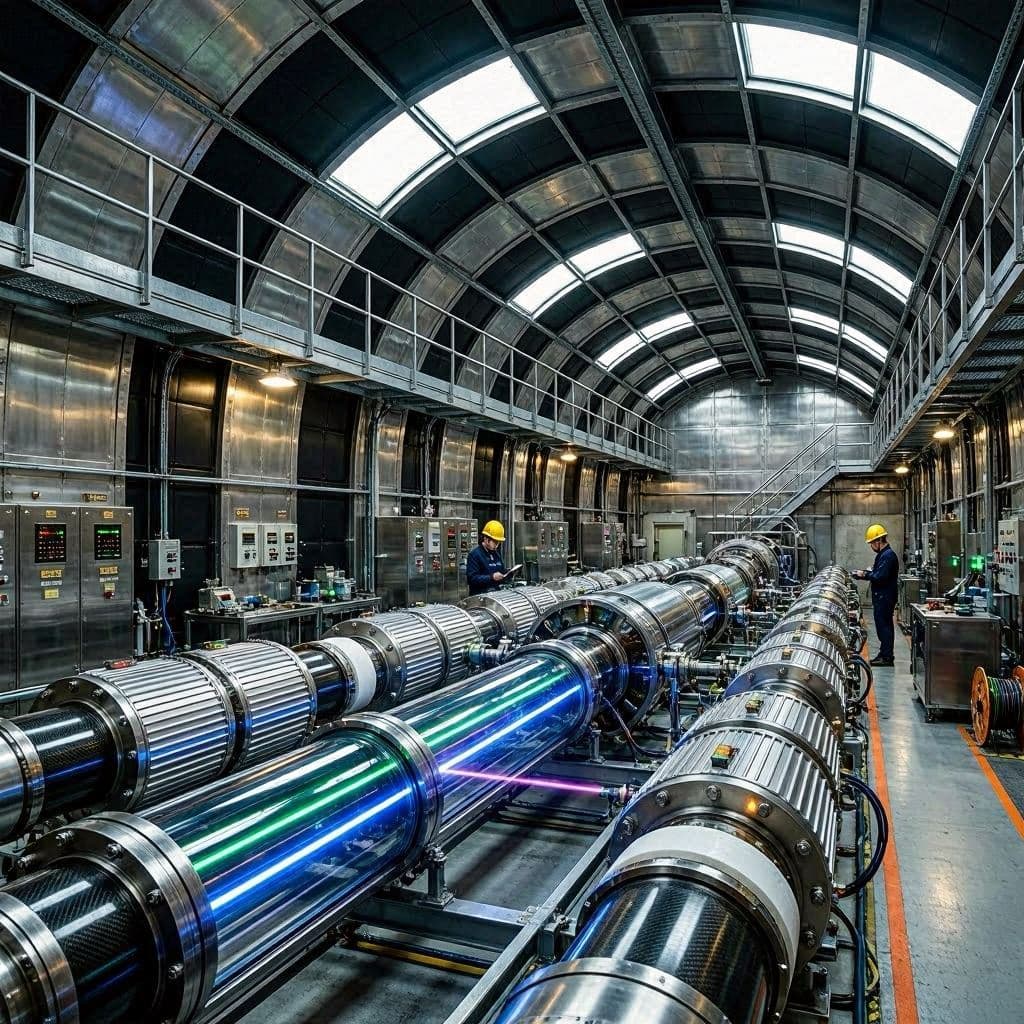
Modern particle accelerators provide researchers with opportunities to recreate conditions similar to those that existed shortly after the Big Bang. These experiments help scientists investigate the fundamental forces governing the universe while examining the properties of elementary particles.
The latest research improves theoretical descriptions of jet production and particle interactions. More accurate models help scientists compare experimental observations with predictions, strengthening confidence in existing theories while identifying areas requiring further investigation.
International collaboration is essential in particle physics. Large research facilities bring together scientists, engineers, and technical specialists from many countries, combining expertise to address highly complex scientific challenges.
Advanced computing also plays an important role. Powerful computer systems process enormous amounts of experimental data, allowing researchers to identify subtle patterns and compare results with theoretical simulations.
The knowledge gained from particle physics extends beyond fundamental science. Technologies developed for accelerator research have contributed to advances in medical imaging, radiation therapy, materials science, and information technology.
Recent progress in understanding particle interactions demonstrates the continuing importance of basic scientific research. By exploring the smallest structures of matter, scientists contribute to a broader understanding of the universe and create opportunities for future technological innovation.
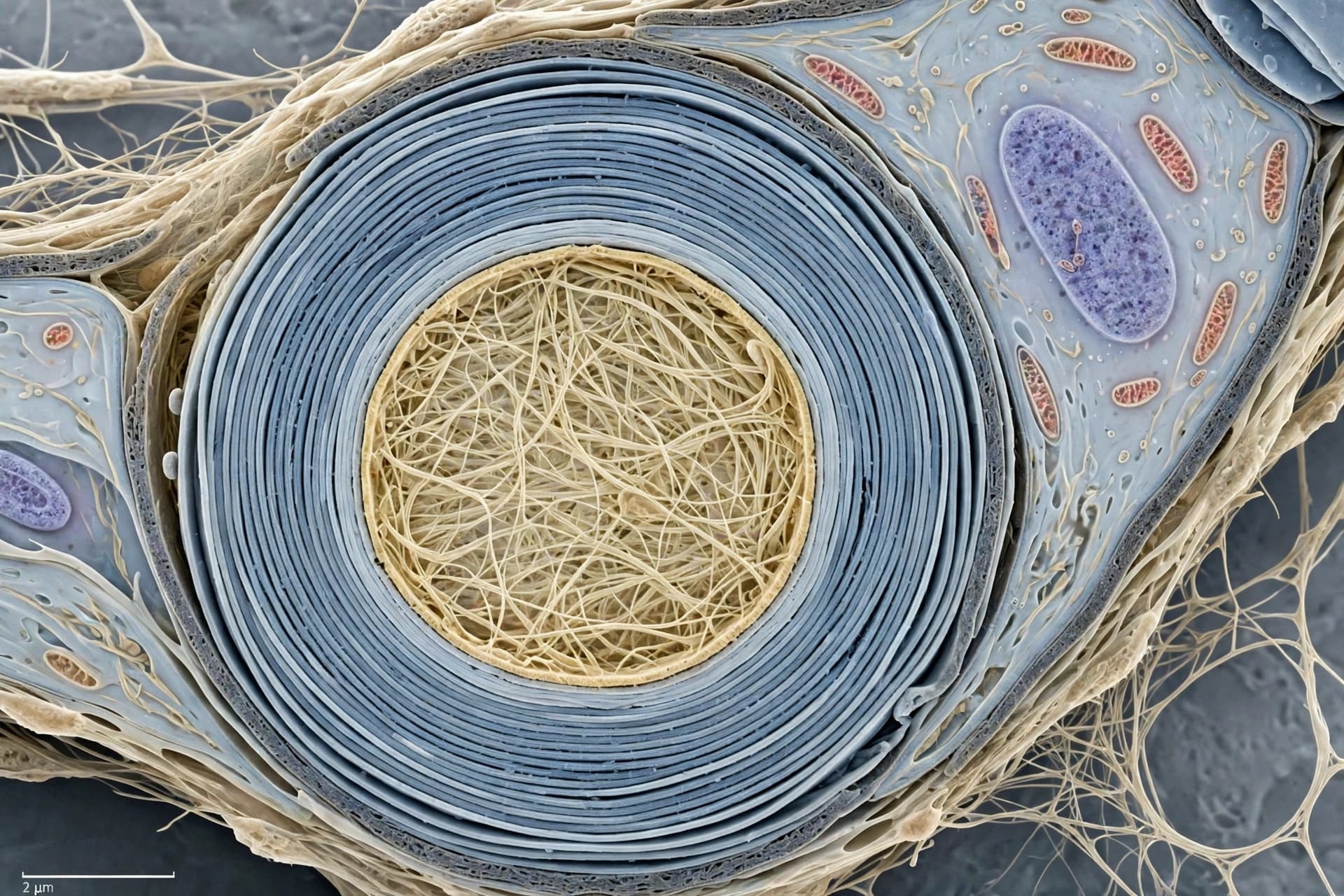
AI Image Disclaimer: The accompanying illustrations are AI-generated conceptual representations for editorial purposes.
Sources Verified: arXiv, CERN research publications, Nature Physics, Reuters.
Published by Banx Network. This article is part of the Banx decentralized media programme, powered by the BXE token on the XRP Ledger.