
Key Highlights
- Location:The silver fern thrives in New Zealand's lush forests.
- Symbolism:Represents patience and the beauty of slow growth.
- Ecosystem Role:Essential for the biodiversity of its environment.
The silver fern, known as ponga, is more than just a plant; it is a symbol of New Zealand's natural heritage. Nestled within the verdant depths of the New Zealand bush, this remarkable fern embodies a quiet resilience and a slow, deliberate growth that stands in stark contrast to the frenetic pace of modern life. As one wanders through the forest, the light filters through layers of green, creating a serene atmosphere that invites reflection and contemplation.
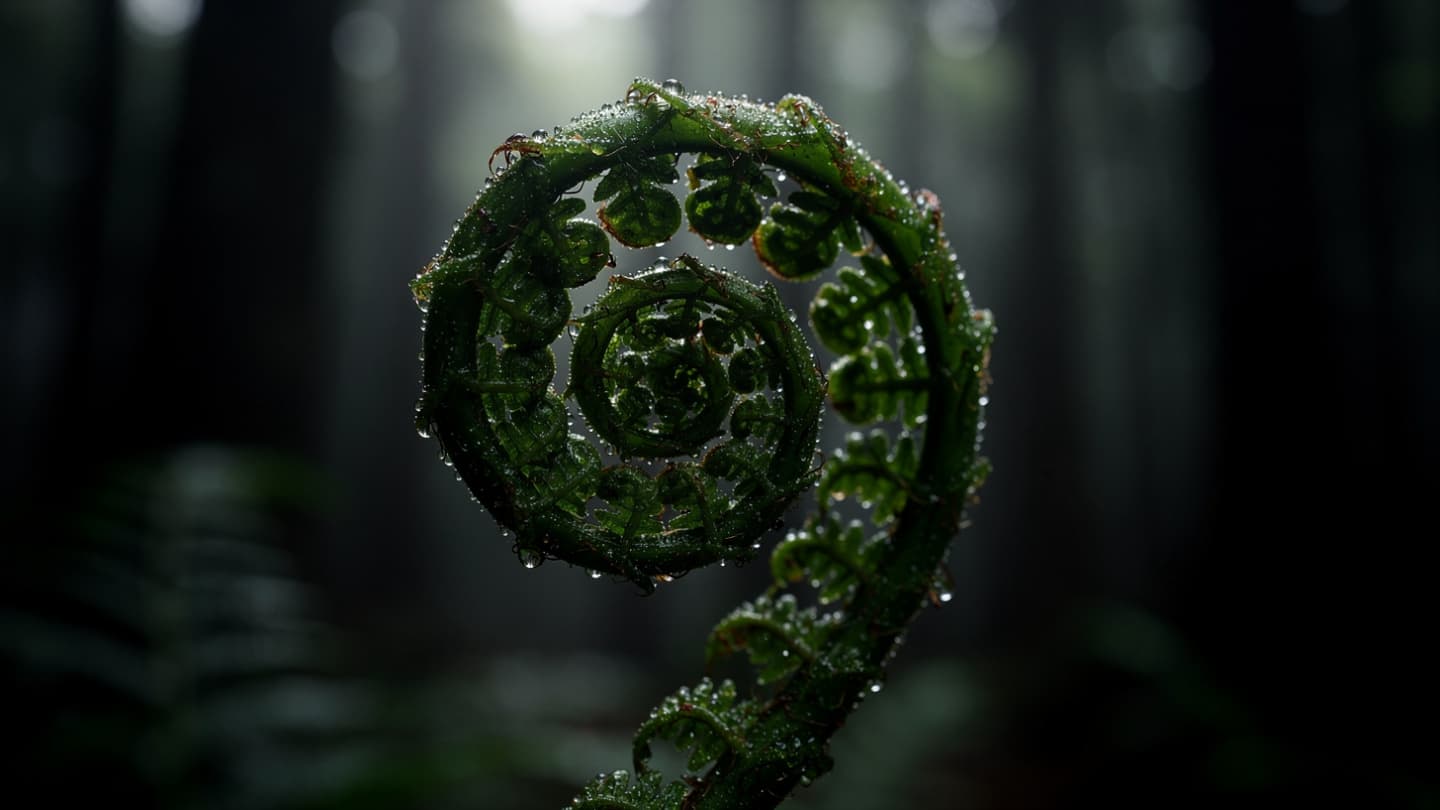
Walking among the silver ferns, one cannot help but notice the intricate beauty of the koru, the tightly coiled new frond. This natural spiral is not just aesthetically pleasing; it represents new beginnings and the potential for growth. Each unfurling frond is a reminder that life unfolds at its own pace, dictated by the rhythms of nature rather than the demands of human urgency.
The forest floor, rich with mosses and decaying wood, serves as a nurturing ground for these ferns. The unique scent of damp earth and decaying foliage envelops visitors, grounding them in the reality of this vibrant ecosystem. Here, life and death coexist harmoniously, each contributing to the cycle of renewal that defines the forest.
In regions like the Waitakere Ranges and Fiordland, the silver fern plays a crucial role in the landscape. Unlike the towering Kauri or Rimu, which dominate the skyline, the silver fern offers texture and shade, creating a lush undergrowth that supports a diverse range of wildlife. Its humble presence is essential for the ecosystem, providing shelter and sustenance for countless species.
Observing the slow unfurling of a frond teaches patience. The process cannot be hurried; it unfolds according to its own internal clock, a lesson in the value of taking time to grow. This slow, deliberate growth stands as a counterpoint to the fast-paced world outside the forest, suggesting that true beauty lies in the journey rather than the destination.
Historically, the silver underside of the fern leaf served a practical purpose for those navigating the bush at night. By flipping the leaves, travelers could catch the moonlight, illuminating their path. This practical use of the fern reflects a deeper metaphor: nature provides guidance and hope to those who are attuned to its rhythms.
As seasons change, the silver fern continues its cycle of life, shedding old fronds to make way for new growth. This circularity is the essence of the forest, a closed loop of energy that sustains its vitality. The discarded leaves enrich the soil, ensuring that future generations of ferns can thrive in this lush environment.
When the wind rustles through the canopy, the ferns sway gracefully, creating a symphony of whispers that resonates throughout the forest. In these moments, one can sense the interconnectedness of all life within this ecosystem. The silver fern serves as a poignant reminder that growth is most beautiful when it is slow and steady, a lesson that resonates deeply in our fast-paced lives.
Published by Banx Network. This article is part of the Banx decentralized media programme, powered by the BXE token on the XRP Ledger.



