

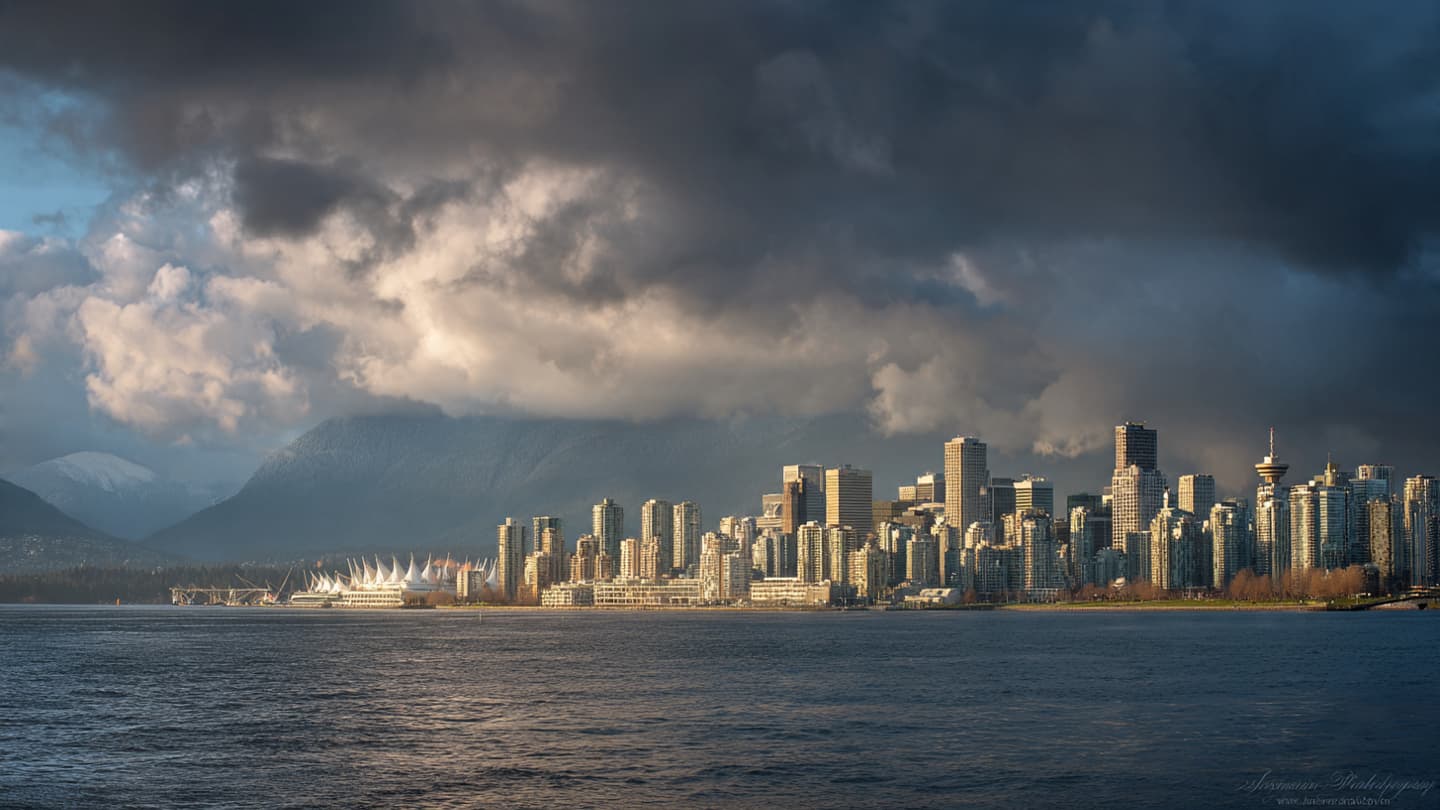
Key Highlights
- Weather systems are impacting Metro Vancouver, causing varied conditions.
- Local authorities are preparing for potential flooding and travel disruptions.
- Advanced forecasting technology aids in predicting weather patterns.
Recent weather developments across Metro Vancouver have captured the attention of residents and meteorological agencies alike. A series of weather systems moving in from the Pacific coast have brought a mix of rainfall, fluctuating temperatures, and shifting wind patterns. These changes serve as a reminder of the powerful influence nature has on daily life in the region, where the interplay between mountains and the ocean creates a unique climate.
Local authorities and emergency services are on high alert as they monitor these weather changes. Public advisories have been issued, urging residents to stay informed about forecasts, particularly as heavy rainfall poses an increased risk of localized flooding and travel disruptions. The proactive measures taken by local governments reflect a commitment to community safety and preparedness.
Transportation networks are often the first to feel the impact of changing weather conditions. Roads may become hazardous, ferries can face delays, and air travel might be disrupted due to adverse weather. Maintenance crews are working diligently to ensure that infrastructure remains safe and operational, even as conditions fluctuate.
For many residents, the weather is not just a topic of conversation but a crucial factor in daily decision-making. Farmers adjust their planting schedules, construction workers modify timelines, and tourism operators adapt to the changing climate. Families and commuters rely heavily on accurate weather forecasts to plan their activities, highlighting the interconnectedness of weather and daily life.
Advancements in technology have significantly improved weather prediction capabilities. Meteorologists now utilize sophisticated satellite technology, computer modeling, and atmospheric research to identify developing weather patterns earlier than ever before. This enhanced forecasting allows communities to prepare for potential impacts, ultimately fostering resilience in the face of nature's unpredictability.
Climate researchers emphasize the importance of observing long-term environmental trends, which can provide insights into regional weather behavior. While individual weather events may not always correlate directly with broader climate patterns, ongoing research contributes to a deeper understanding of how conditions are evolving over time. This knowledge is vital for communities as they navigate the challenges posed by changing weather.
As Metro Vancouver experiences another period of active weather, the situation serves as a reminder of the need for adaptation and cooperation. Communities have historically relied on knowledge, preparation, and collaboration to meet the challenges posed by the natural world, all while appreciating the stunning landscapes that shape their lives. The ongoing dialogue about weather and climate underscores the importance of being informed and prepared in an ever-changing environment.
AI-generated images are used for illustrative purposes and may not depict actual weather conditions.
Published by Banx Network. This article is part of the Banx decentralized media programme, powered by the BXE token on the XRP Ledger.




