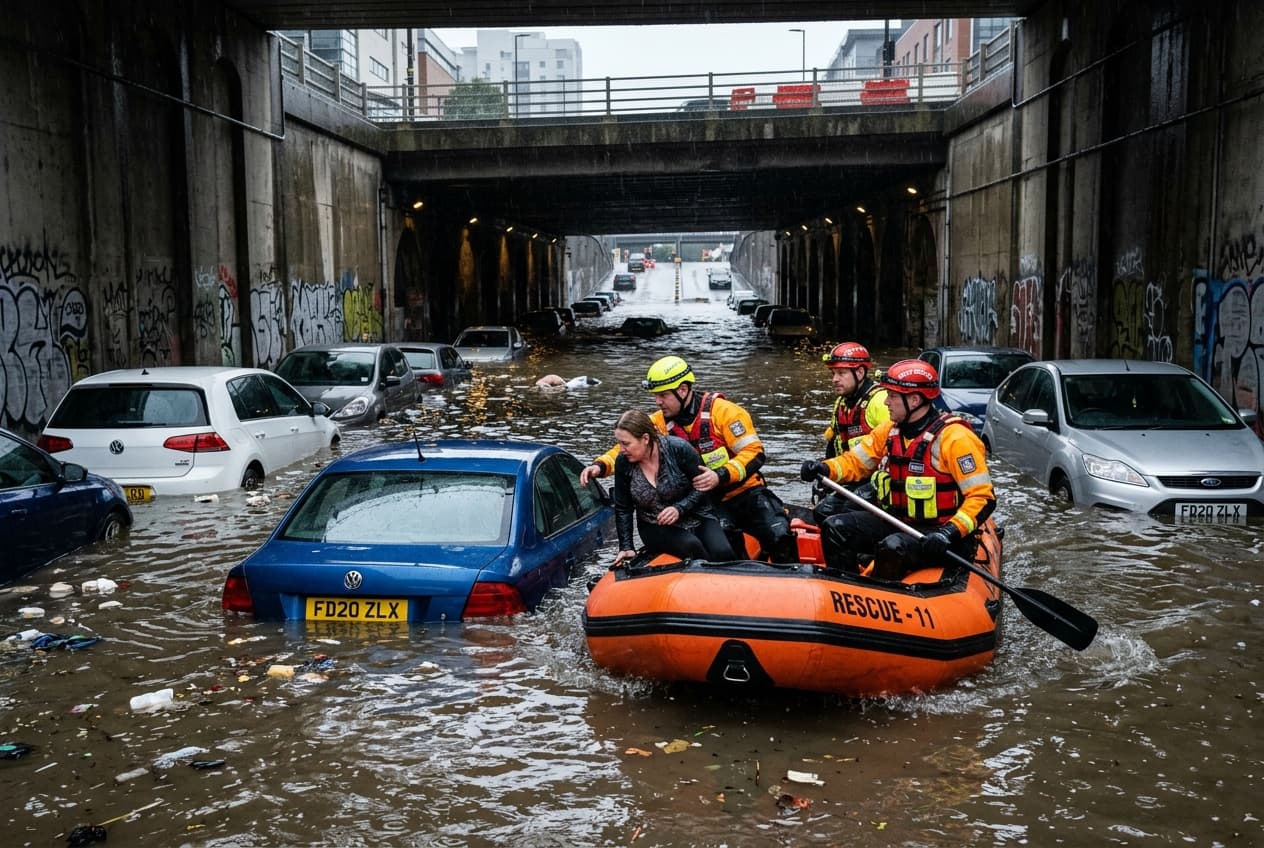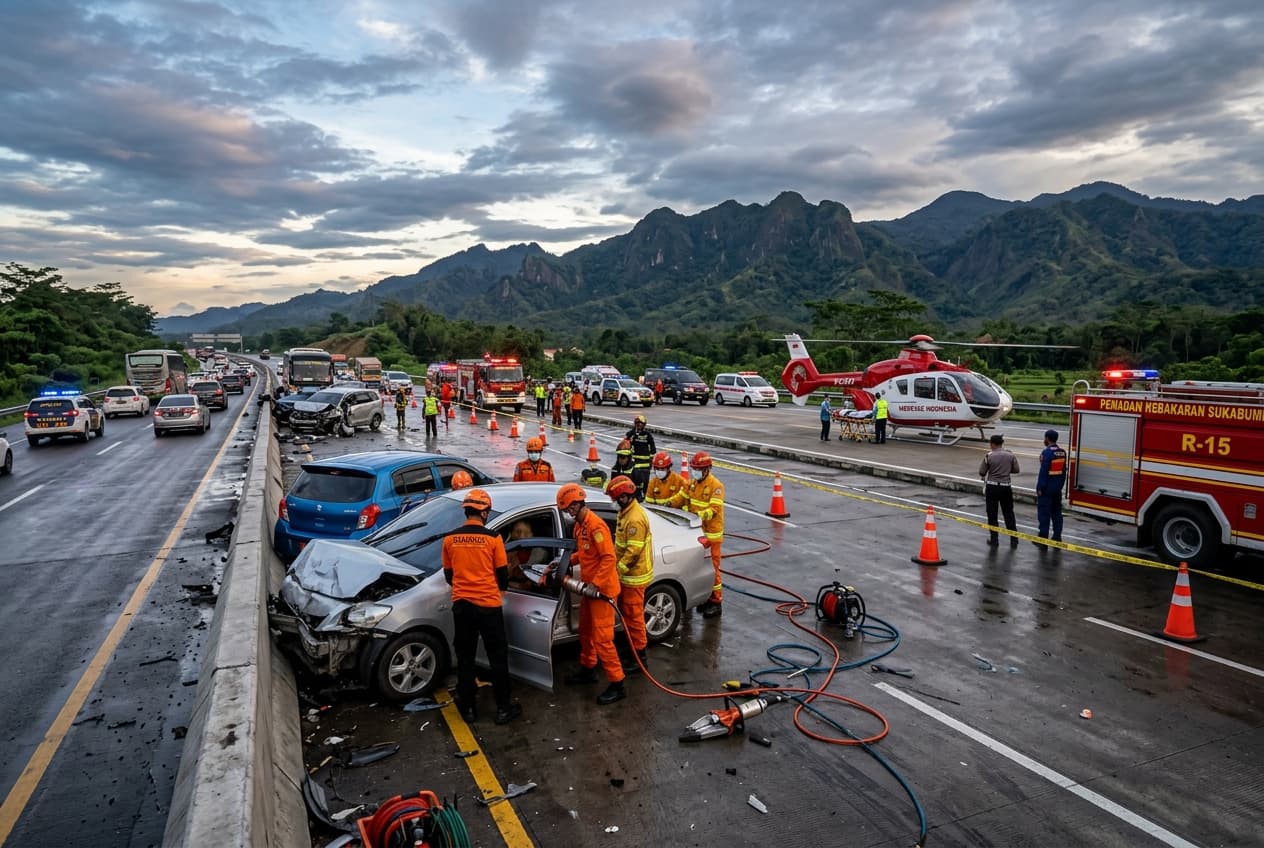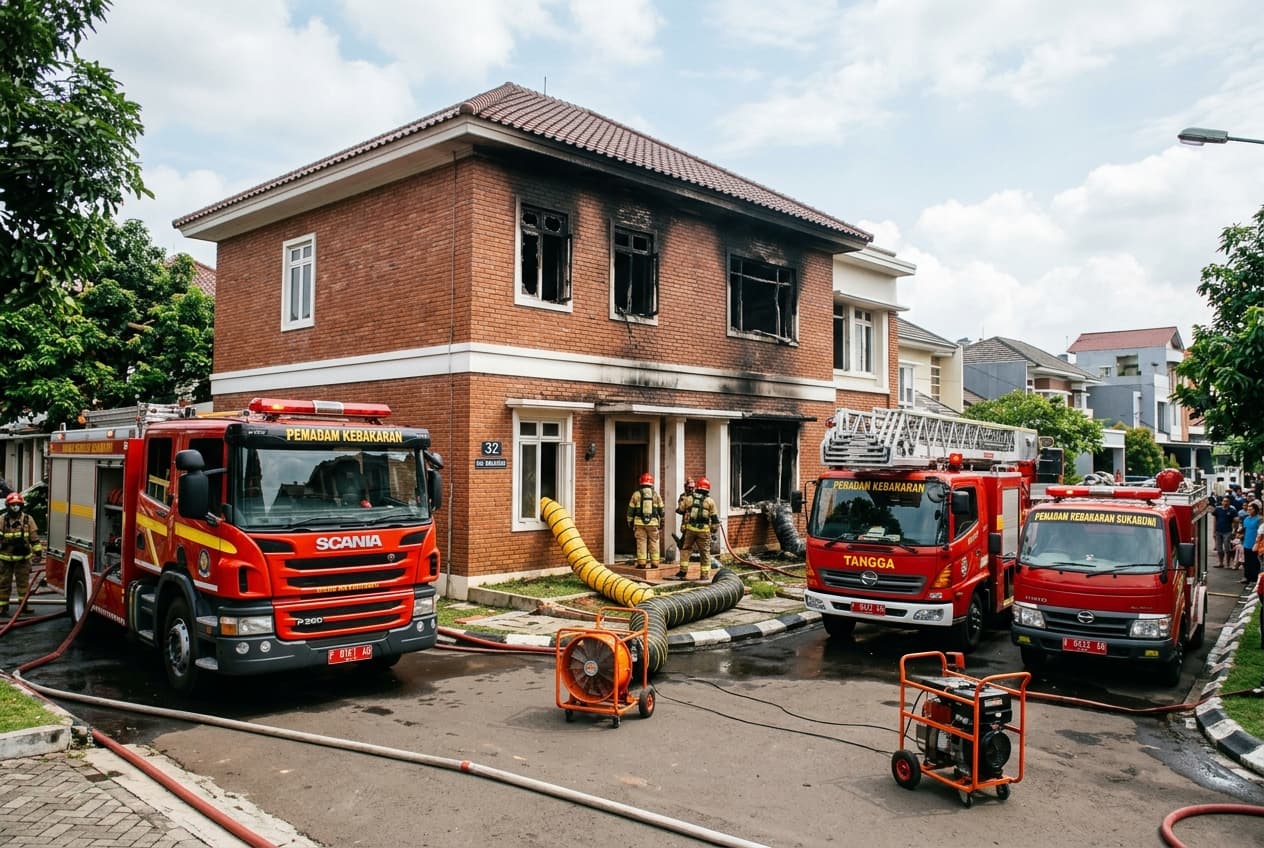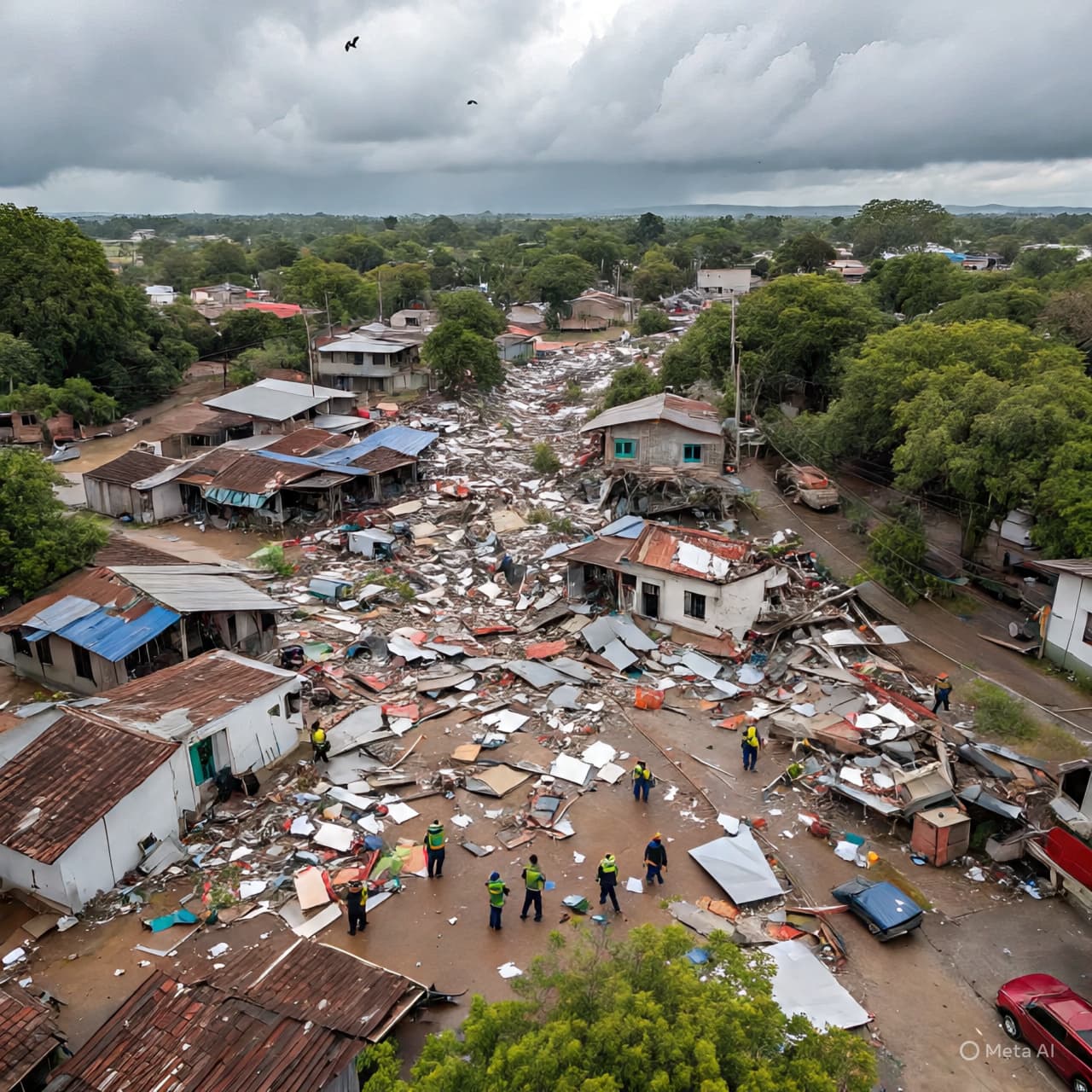
Sometimes the sky changes tone before our eyes — a shift in the way the horizon folds, like a sheet of metal bending. Weather is supposed to be background. But in southern Brazil this week, it became the main character. A sudden tornado ripped into a small town, killing six people and injuring hundreds. Buildings that had looked steady for decades turned into shredded plywood in seconds. Cars were thrown like props. Power lines snapped. There was no time for a neat paragraph of warning.
Extreme storms used to be plotted inside models, with probability distributions and century-scale baselines. Now the calendar feels shorter. Weather becomes a surprise guest that arrives uninvited, speaking an unfamiliar dialect. When a tornado with this level of violence hits a place that rarely sees this level of violence, it sends a secondary message — not only about the loss at hand, but about the future volatility that is creeping into the present tense.
The dignity of the families, fire crews, medical responders — these are the details that don’t trend on social feeds as long as the drone footage. But they are the real plot. Cleaning broken glass at 3 a.m. Finding medical supplies fast enough for triage. Listening to sirens that don’t stop.
In the end, what happened in Brazil this week can be described plainly: six dead, hundreds injured, infrastructure down, evacuations underway. But the part that stays with you — the part that feels heavier — is the realization that these once-abnormal climate shocks are getting too comfortable inside the news cycle.
Published by Banx Network. This article is part of the Banx decentralized media programme, powered by the BXE token on the XRP Ledger.