
Key Highlights
- The rise of drones has transformed industries and warfare.
- China is tightening regulations on drone manufacturing and operation.
- The global supply chain for drones is becoming more uncertain.
The landscape of modern technology is increasingly defined by the presence of drones, small machines that have become integral to various sectors, from agriculture to filmmaking. At the edges of urban environments, these devices hum quietly overhead, tracing paths that were once the domain of larger aircraft. Their evolution has been rapid, with companies like DJI leading the charge in making sophisticated aerial tools accessible to a wide audience. However, as their capabilities expand, so too does the scrutiny surrounding their use.
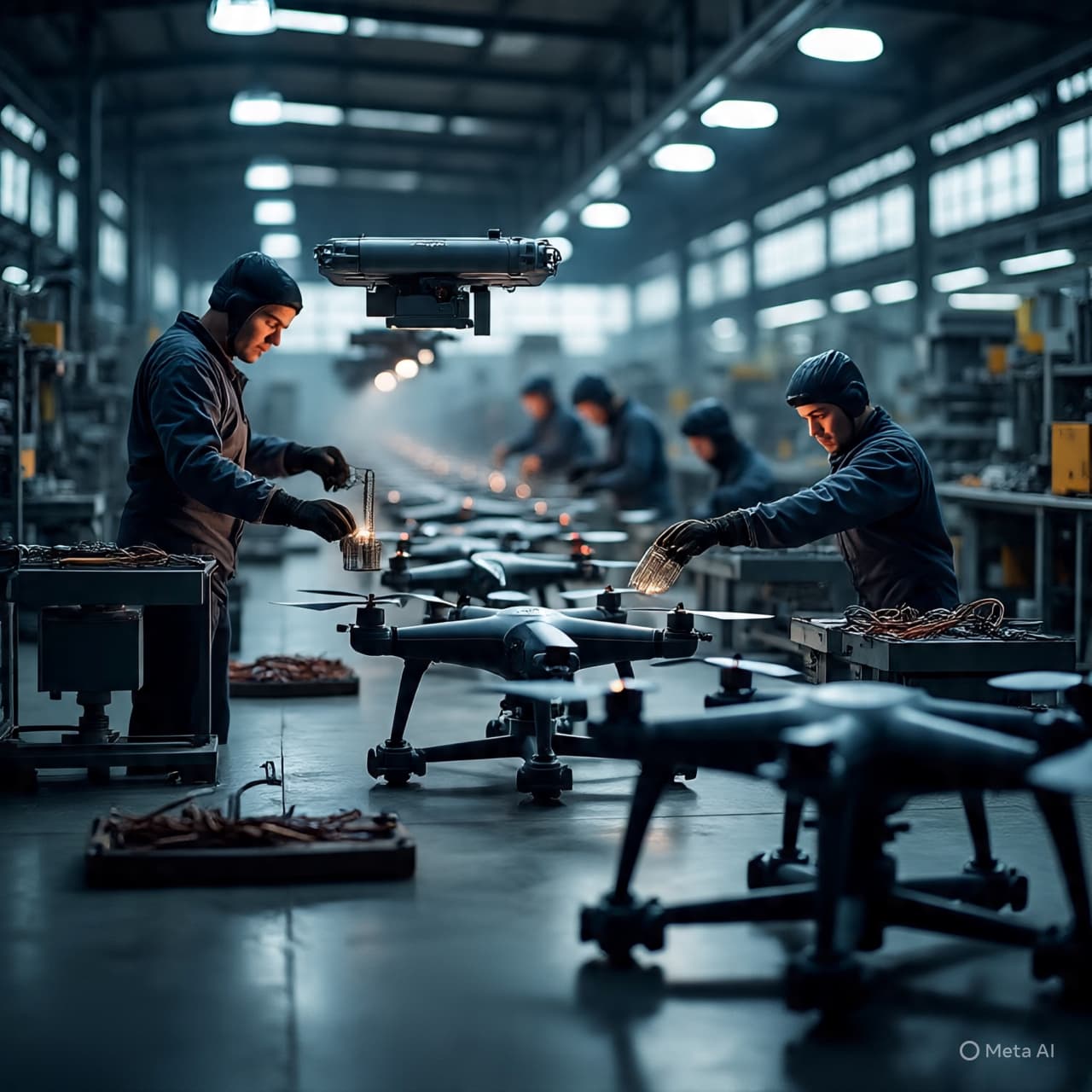
In recent months, China has begun to implement stricter regulations on its drone industry, a move that reflects a growing concern over the implications of these technologies. The government has introduced export restrictions on critical components, aiming to control how drones are built and sold internationally. This shift is not merely about maintaining a competitive edge; it also addresses the potential for drones to be used in surveillance and military applications, raising questions about responsibility in a rapidly evolving technological landscape.
The implications of these regulations extend beyond China's borders. Countries that have relied on Chinese-made drones are now faced with navigating a more complex supply chain, influenced by geopolitical tensions and market demands. As nations seek to establish their own drone manufacturing capabilities, the urgency for technological independence has become apparent. This shift is prompting discussions about the future of drone technology and its role in global commerce and security.
Within China, the regulatory framework is becoming increasingly comprehensive. New licensing systems and airspace restrictions are being implemented, creating a structured environment for drone operations. This regulatory landscape aims to balance innovation with oversight, ensuring that the benefits of drone technology do not come at the cost of safety or privacy. The once-open skies are now being delineated by policies that reflect a cautious approach to technological advancement.
As these changes unfold, the presence of drones in everyday life continues unabated. In rural areas, they assist farmers in monitoring crops, while in urban settings, they are employed in construction and delivery services. Despite the tightening regulations, the hum of drones remains a familiar sound, a testament to their integration into modern society. However, the framework governing their use is evolving, leading to a more nuanced understanding of their impact.
The narrative surrounding drones is shifting from one of unbridled expansion to a more measured approach that acknowledges the need for boundaries. As China navigates its role as a leader in drone technology, the balance between innovation and control will be critical. The sky, once perceived as a limitless expanse, is now a space defined by both opportunity and restraint, where the future of drone technology will be shaped by the interplay of ambition and caution.
In conclusion, the ongoing developments in drone regulations signal a pivotal moment in the industry. As the landscape continues to change, the conversation around drones will likely evolve, reflecting broader societal concerns about privacy, security, and the ethical implications of surveillance technology. The story of drones is no longer just about their capabilities; it is also about the responsibilities that come with their use.
Published by Banx Network. This article is part of the Banx decentralized media programme, powered by the BXE token on the XRP Ledger.



