
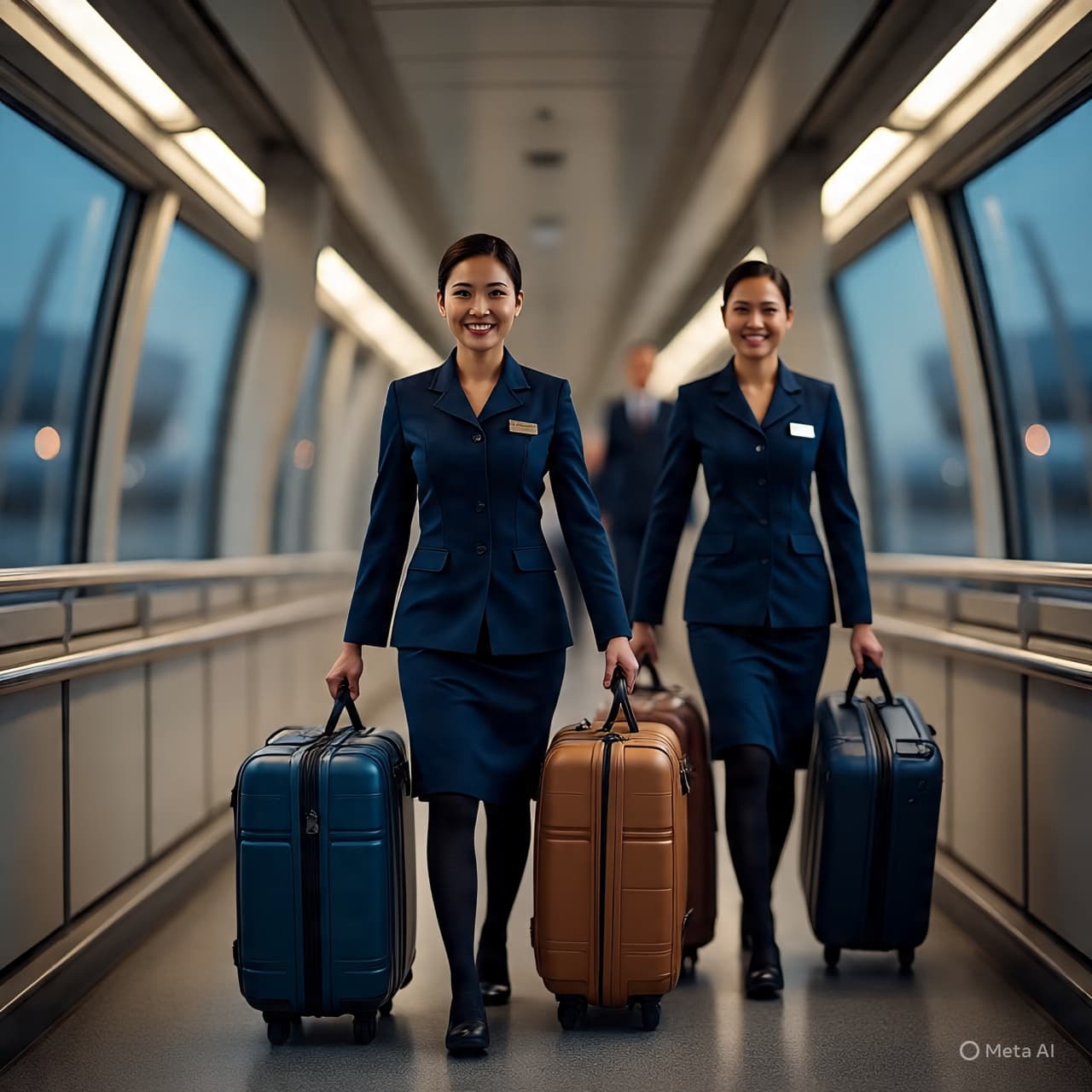
Key Highlights
- Staffing Crisis:Airlines are struggling to find enough flight attendants despite increased travel demand.
- Extra Pay:United Airlines and Delta Air Lines are offering bonuses to encourage staff to take on additional shifts.
- Operational Challenges:The aviation industry faces new bottlenecks, primarily due to staffing shortages rather than traditional issues like fuel or aircraft availability.
The aviation industry is experiencing a significant shift as travel demand rebounds post-pandemic, yet airlines are grappling with a critical staffing crisis. A decade ago, the concern was an oversupply of planes and a lack of passengers. Now, the situation has flipped: people are eager to travel, but airlines are struggling to staff their flights adequately. This paradox highlights the evolving challenges within the industry.
According to a recent report by CNBC, major airlines such as United Airlines and Delta Air Lines are resorting to offering extra pay to flight attendants who are willing to take on additional trips. This move underscores the urgency of the situation, as airlines face tight schedules and operational pressures that hinge on having enough crew members available to meet flight demands. The subtext is clear: the success of these airlines now relies heavily on the willingness of their staff to volunteer for extra shifts.
This staffing dilemma is a telling indicator of the post-pandemic aviation landscape. While travel volumes have returned to pre-pandemic levels, the margins for airlines remain volatile. Labor has gained leverage in this new environment, forcing carriers to rethink their operational strategies. Rather than focusing solely on attracting passengers, airlines are now investing in securing a stable workforce to ensure their operations run smoothly.
Historically, the U.S. aviation system has been cyclical, with various factors influencing its performance. However, this current phase marks a significant shift in the industry's dynamics. For the first time, there is a candid acknowledgment that the new bottleneck may not be related to fuel prices, aircraft deliveries, or airport capacity. Instead, it appears to be a human resource issue, with airlines struggling to find enough qualified personnel to operate their flights.
Airlines are not merely paying for time; they are investing in stability and operational certainty. This shift in focus reflects a broader economic reality in a fully reopened sky: the demand for air travel is not the problem; rather, the challenge lies in execution. As airlines navigate this new landscape, the emphasis on securing a reliable workforce will be crucial for their success in the coming years.
In conclusion, the aviation industry is at a crossroads, facing a staffing crisis that threatens to undermine the recovery of air travel. As airlines like United and Delta adapt to this new reality, their strategies will likely evolve to prioritize workforce stability alongside passenger demand, reshaping the future of air travel.
Published by Banx Network. This article is part of the Banx decentralized media programme, powered by the BXE token on the XRP Ledger.



