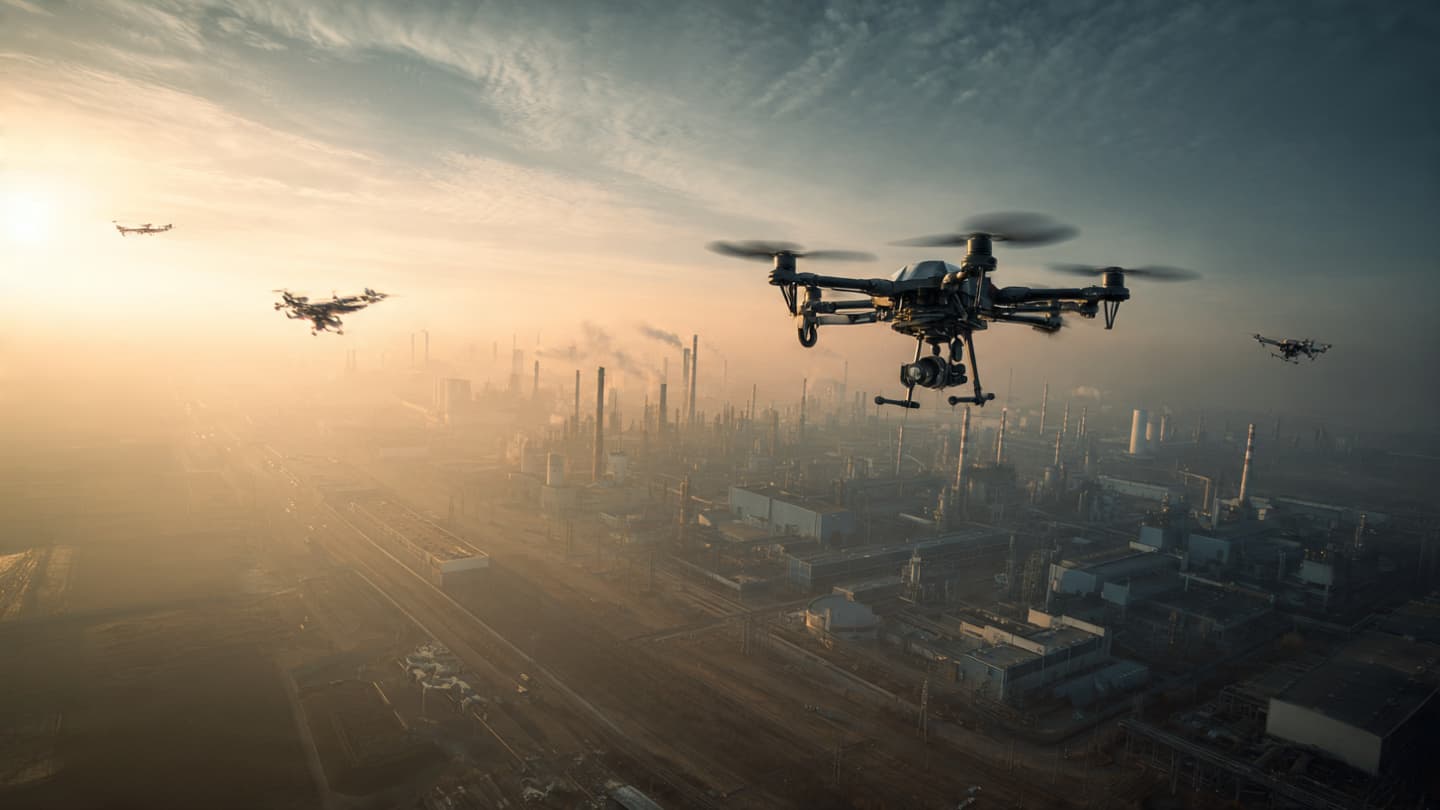
The modern battlefield often resembles a river changing its course. What once seemed confined to trenches, frontlines, and contested territories now flows across vast distances through technology capable of reaching far beyond traditional combat zones. In the ongoing conflict between Ukraine and Russia, the expanding use of long-range drones reflects how warfare continues to evolve alongside innovation.
Recent reports indicate that Ukraine has intensified drone operations targeting locations deep inside Russian territory. The attacks reportedly focused on infrastructure linked to energy production, industrial facilities, and logistical networks considered important to Russia’s wartime capabilities.
Military analysts note that drone warfare has become one of the defining features of the conflict. Compared with conventional missiles, drones can be produced more quickly, deployed flexibly, and adapted to a variety of missions. Their growing role has altered strategic calculations on both sides.
Ukrainian officials have repeatedly argued that targeting military-support infrastructure inside Russia is intended to reduce pressure on Ukrainian cities and frontline forces. Kyiv maintains that such operations are directed toward objectives connected to the broader conflict rather than civilian populations.
Russian authorities, meanwhile, have reported interceptions of numerous incoming drones and have continued strengthening air-defense measures around key regions. Local officials have occasionally announced temporary disruptions to transportation, industrial activity, and public services following drone alerts.
The increasing range of drone operations has attracted attention from defense experts worldwide. Many view the conflict as a real-time demonstration of how relatively inexpensive unmanned systems can influence military strategy and national security planning.
Beyond immediate battlefield effects, these developments carry broader geopolitical implications. Governments across Europe and Asia are closely observing lessons from the conflict, particularly regarding air defense, infrastructure protection, and emerging military technologies.
The continued exchange of long-range strikes underscores the enduring complexity of the war. Despite diplomatic efforts and international discussions, both sides remain engaged in a conflict that shows little sign of immediate resolution.
As the situation develops, observers expect drone technology to remain a central element of military operations. The latest attacks illustrate how modern warfare increasingly extends beyond traditional frontlines, reshaping security considerations far from the battlefield itself.
AI Image Disclaimer: The accompanying images for this article are AI-generated visual illustrations intended to represent the reported events and are not actual photographs.
Sources Verification Check Verified through:
Reuters Associated Press (AP) BBC News The Guardian Al Jazeera
Published by Banx Network. This article is part of the Banx decentralized media programme, powered by the BXE token on the XRP Ledger.