
Key Highlights
- Ukraine has intensified drone operations targeting Russian infrastructure.
- Drone warfare is reshaping military strategies on both sides.
- The conflict has broader geopolitical implications for Europe and Asia.
The modern battlefield often resembles a river changing its course. What once seemed confined to trenches, frontlines, and contested territories now flows across vast distances through technology capable of reaching far beyond traditional combat zones. In the ongoing conflict between Ukraine and Russia, the expanding use of long-range drones reflects how warfare continues to evolve alongside innovation.
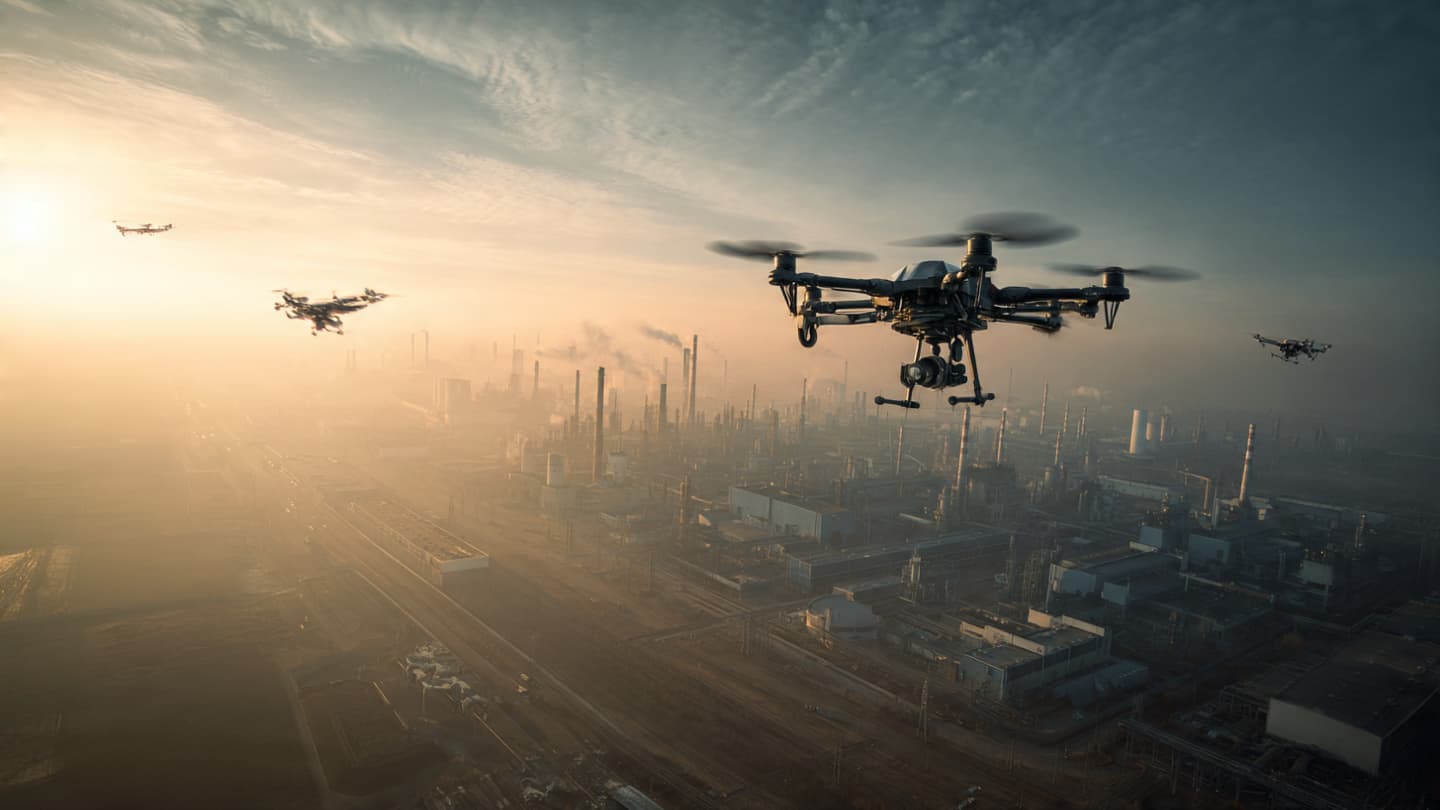
Recent reports indicate that Ukraine has intensified drone operations targeting locations deep inside Russian territory. The attacks reportedly focused on infrastructure linked to energy production, industrial facilities, and logistical networks considered important to Russia’s wartime capabilities. This shift in tactics underscores a strategic pivot aimed at undermining Russia's operational capacity while alleviating pressure on Ukrainian cities and frontline forces.
Military analysts note that drone warfare has become one of the defining features of the conflict. Compared with conventional missiles, drones can be produced more quickly, deployed flexibly, and adapted to a variety of missions. Their growing role has altered strategic calculations on both sides, making them a critical component of modern military engagements.
Ukrainian officials have repeatedly argued that targeting military-support infrastructure inside Russia is intended to reduce pressure on Ukrainian cities and frontline forces. Kyiv maintains that such operations are directed toward objectives connected to the broader conflict rather than civilian populations. This rationale reflects a calculated approach to warfare, aiming to disrupt the enemy's supply chains and operational capabilities.
Russian authorities, meanwhile, have reported interceptions of numerous incoming drones and have continued strengthening air-defense measures around key regions. Local officials have occasionally announced temporary disruptions to transportation, industrial activity, and public services following drone alerts. These responses highlight the challenges Russia faces in safeguarding its territory against increasingly sophisticated drone attacks.
The increasing range of drone operations has attracted attention from defense experts worldwide. Many view the conflict as a real-time demonstration of how relatively inexpensive unmanned systems can influence military strategy and national security planning. The implications of this shift extend beyond the immediate battlefield, prompting nations to reassess their defense strategies in light of emerging technologies.
Beyond immediate battlefield effects, these developments carry broader geopolitical implications. Governments across Europe and Asia are closely observing lessons from the conflict, particularly regarding air defense, infrastructure protection, and emerging military technologies. The ongoing exchanges of long-range strikes underscore the enduring complexity of the war, as both sides remain engaged in a conflict that shows little sign of immediate resolution.
As the situation develops, observers expect drone technology to remain a central element of military operations. The latest attacks illustrate how modern warfare increasingly extends beyond traditional frontlines, reshaping security considerations far from the battlefield itself. The evolution of drone warfare not only impacts the current conflict but also sets a precedent for future military engagements around the globe.
Published by Banx Network. This article is part of the Banx decentralized media programme, powered by the BXE token on the XRP Ledger.



