
Key Highlights
- Recent Israeli airstrikes in Lebanon resulted in at least 17 fatalities.
- The strikes targeted militant infrastructure near Beirut and southern Lebanon.
- Ongoing tensions have led to increased displacement among civilians in the region.
In cities shaped by years of tension, the sound of aircraft overhead often carries a weight beyond the moment itself. Streets continue moving, markets reopen, and families attempt to preserve ordinary routines, yet uncertainty lingers quietly in the background. In Lebanon, where conflict and diplomacy have repeatedly intersected across generations, another wave of violence has deepened fears of wider instability.
Israeli drone strikes near Beirut reportedly killed four people, while additional airstrikes in southern Lebanon left at least 13 dead, according to local officials and regional media reports. The attacks came amid continuing hostilities involving Israeli forces and armed groups operating near the Lebanon-Israel border. The strikes have raised alarms about the potential for a broader conflict in a region already fraught with tension.
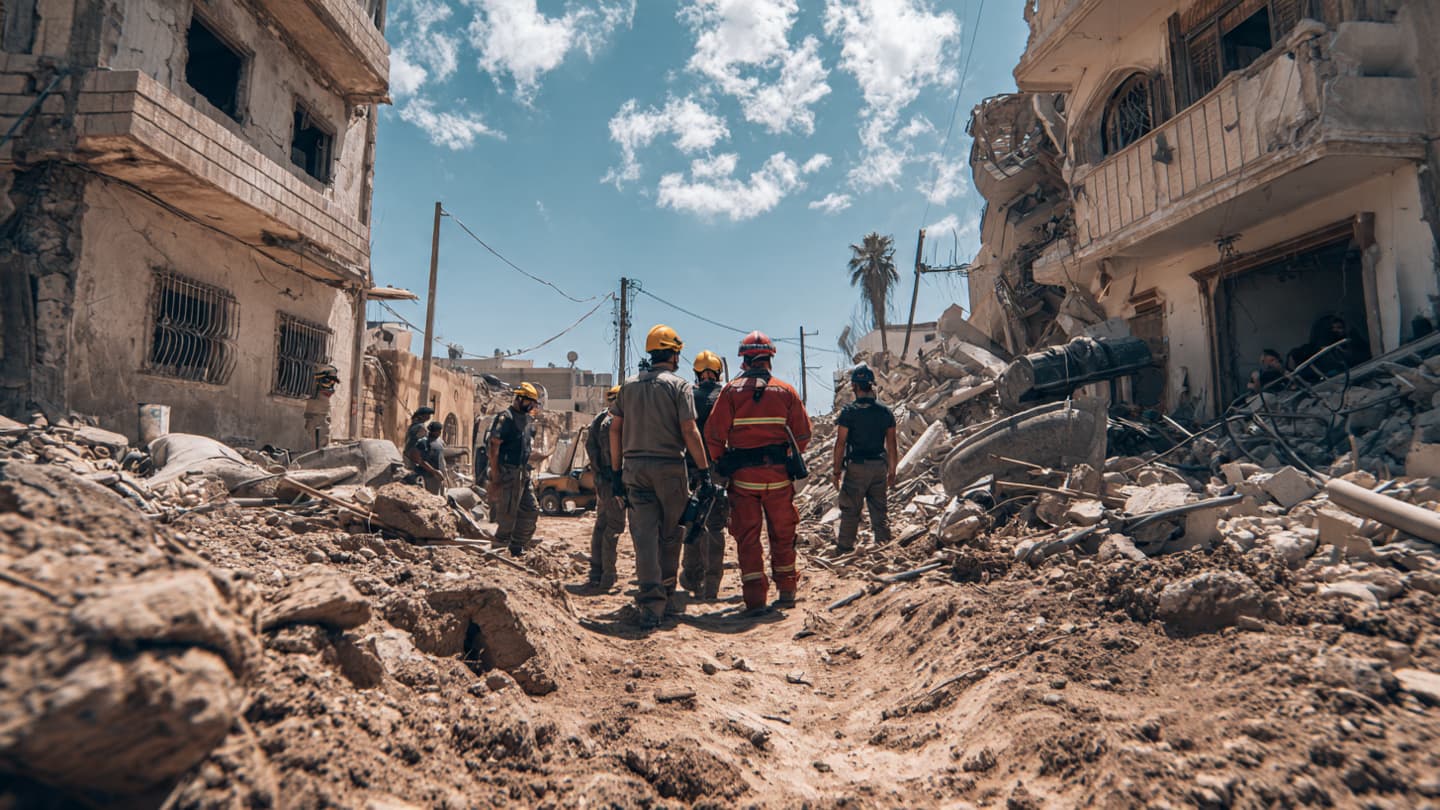
Lebanese authorities stated that strikes targeted multiple areas, including locations near residential neighborhoods and southern villages. Emergency crews and medical teams were dispatched to affected sites as rescue operations continued through damaged streets and buildings. Casualty figures may continue to change as authorities complete assessments, highlighting the chaotic aftermath of the strikes.
The Israeli military said its operations targeted militant infrastructure and individuals connected to armed activity threatening northern Israel. Israeli officials have repeatedly stated that military actions in Lebanon are aimed at preventing attacks by Hezbollah and allied groups operating close to the border region. This justification reflects a long-standing narrative in the ongoing conflict, where both sides accuse each other of provocations.
Southern Lebanon has experienced escalating exchanges of fire for months, with artillery strikes, drone attacks, and cross-border rocket launches becoming increasingly frequent. Residents in both northern Israel and southern Lebanon have faced repeated displacement and disruption as tensions continue affecting civilian communities on both sides of the border. The humanitarian impact of these military actions is profound, with families caught in the crossfire struggling to maintain their livelihoods.
Near Beirut, the reported drone strike drew particular attention because attacks close to the Lebanese capital often raise fears of broader regional escalation. Beirut has periodically experienced security incidents tied to regional conflict dynamics, though large-scale fighting near the city remains especially sensitive given Lebanon’s political and economic fragility. The international community watches closely, concerned about the implications of further escalation.
International observers and humanitarian organizations have expressed growing concern over civilian casualties and the risk of wider conflict across the Middle East. Diplomatic efforts involving regional and international actors continue seeking de-escalation, though ceasefire negotiations and mediation attempts have faced repeated obstacles. The complexity of the situation is compounded by the myriad of stakeholders involved, each with their own interests and agendas.
Lebanese officials confirmed ongoing rescue and recovery operations following the latest strikes, while Israeli authorities indicated military operations would continue based on security assessments. The situation along the Lebanon-Israel frontier remains volatile as diplomatic discussions continue behind the scenes, with the potential for further military action looming.
Published by Banx Network. This article is part of the Banx decentralized media programme, powered by the BXE token on the XRP Ledger.



